
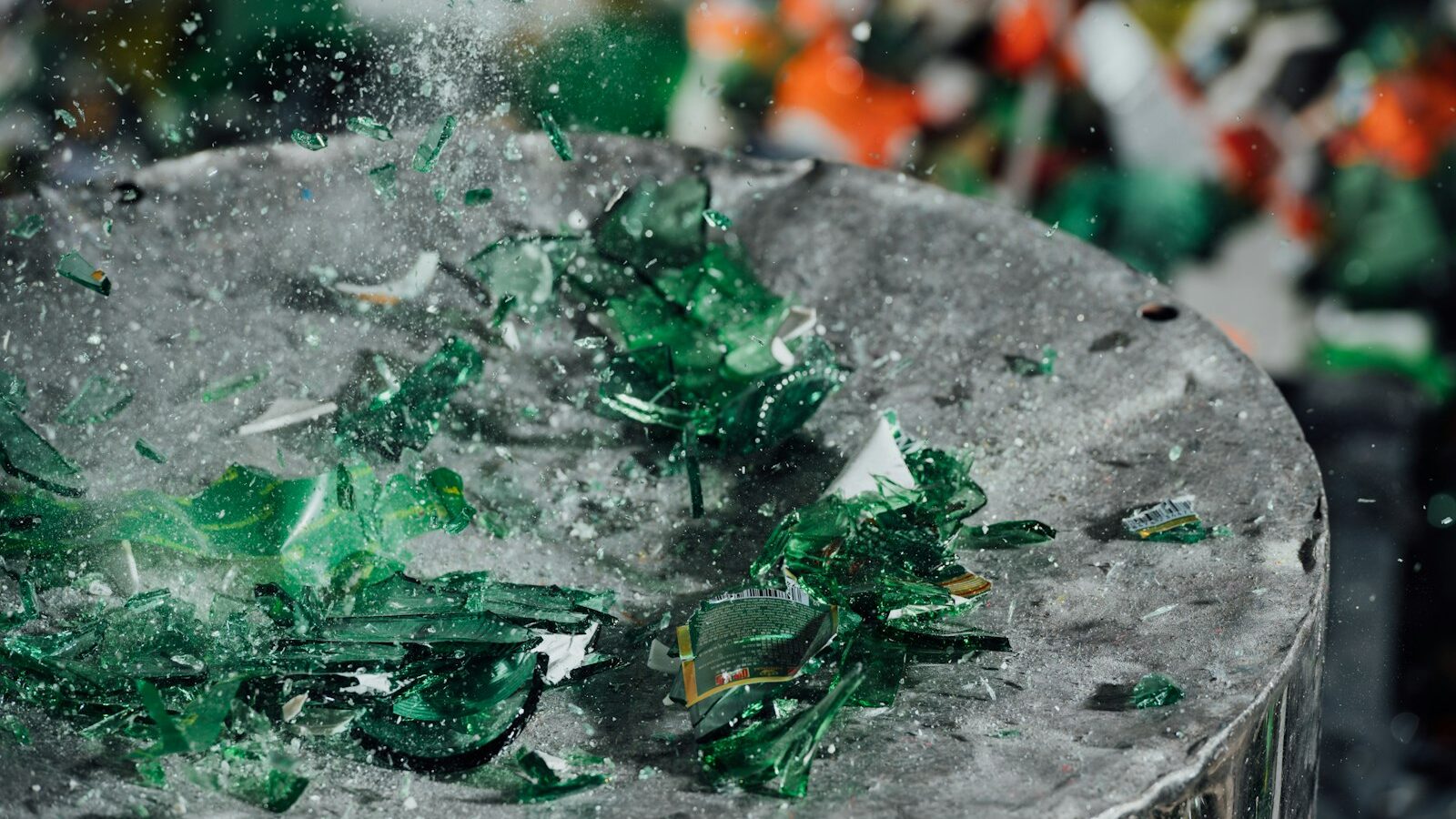
Recycling glass, metal and paper in Singapore is one of the easiest green habits to build, and it is also where small mistakes quietly undo good intentions. Most of us in HDB flats and condos have a blue bin within a short walk, whether it sits at the void deck, near the lift lobby or beside the bin centre. The materials themselves recycle well here, but only if they reach the sorting facility clean, dry and free of the wrong stuff mixed in. The good news is that once you learn a handful of simple rules, doing it right takes no extra time at all. This guide walks through what belongs in the blue bin, how to prepare each item, and where to send the trickier things that the bin cannot take.
Why Glass, Metal and Paper Are Worth Getting Right
These three materials are the backbone of household recycling because they can be reprocessed again and again without losing much quality. Glass bottles and jars, aluminium drink cans, steel food tins and clean paper all have real value when they arrive uncontaminated. The problem is that a single greasy pizza box or a bottle half full of liquid can spoil an entire batch of otherwise good recyclables around it. When that happens, the whole lot may end up incinerated instead, which sends your effort straight to Semakau.
That is why “correctly” matters more than “often”. You do not need to be perfect, and you do not need to recycle everything under the sun. You just need the items you do put in to be clean and sorted the way the facility expects. Singapore uses a commingled system, which means glass, metal, paper and eligible plastics all go into the same blue bin and are separated later at a materials recovery facility. That makes it convenient for you, but it also means your job is preparation, not sorting into separate streams at home.
What Goes in the Blue Bin, and What Does Not
Here is a quick reference for the three materials this guide focuses on. When you are unsure about an item, the safest move is to check NEA’s current guidance rather than guess, because rules and accepted items can change over time.
| Material | Recycle in the blue bin | Keep out of the blue bin |
|---|---|---|
| Glass | Rinsed bottles and jars, lids removed | Mirrors, ceramics, drinking glasses, light bulbs, broken window glass |
| Metal | Aluminium cans, clean food and drink tins, clean foil and trays | Aerosol cans with contents, paint tins, foil with heavy food residue |
| Paper | Newspaper, office paper, cardboard, cereal boxes, envelopes | Tissues, greasy food boxes, waxed or laminated paper, paper cups |
Notice the pattern. The items you keep out are usually either contaminated, made of mixed materials that cannot be separated, or a safety hazard for the workers handling them. Broken glass and drinking glasses, for example, melt at different temperatures from bottle glass, so they are not accepted even though they look recyclable.
Rinse, Dry and Sort: Simple Habits That Help
The single most useful habit is a quick rinse. You do not need spotless, sparkling containers, and you certainly should not run the tap for a minute on each one. A brief swirl of water to remove food and liquid is enough. In our humid, warm climate this also stops leftover residue from turning smelly or attracting pests while it waits in your recycling bag at home.
A few easy routines make the whole thing painless:
- Empty every container fully, then give glass jars, cans and tins a fast rinse and leave them to dry.
- Flatten cardboard boxes and cereal cartons so they take up less space and stack neatly.
- Keep paper dry, because wet or mouldy paper cannot be recycled and can ruin the paper around it.
- Remove metal lids from glass jars and pop plastic pump tops off bottles, since mixed parts are harder to process.
- Never bag your recyclables in a tied plastic bag inside the bin, as that slows sorting; tip them in loose instead.
If you have space, keep a small box or reusable bag in a corner of the kitchen for rinsed items, and make one trip to the blue bin every few days. Treating it as a batch task rather than a per item chore is what makes it stick.
Where to Recycle in Singapore
For everyday glass, metal and paper, your nearest blue bin is the main option, and every HDB block and most condos have access to one. Some newer flats also have dedicated recycling chutes, which work the same way as the blue bins but save you a walk downstairs.
Certain items look like metal or glass but need a different route entirely. Old electronics, batteries and light bulbs should never go in the blue bin. E-waste such as phones, chargers and small appliances goes to designated e-waste collection points, and used batteries and bulbs have their own drop-off boxes at many community and retail locations. Larger metal items like old pots or a broken fan can often go through a karung guni collector or a designated recycling point rather than the household bin. When you accumulate a lot of clean cans or bottles, some neighbourhood collection programmes will even take them off your hands, and it is worth knowing where your nearest points are before you need them.
Common Myths That Cause Contamination
A surprising amount of “recycling” ends up wasted because of a few persistent myths. Clearing these up will instantly make your bin cleaner:
- “Rinsing is optional.” A container with food or drink left inside can contaminate the paper and cardboard packed around it, so a quick rinse genuinely matters.
- “Greasy boxes still count as cardboard.” Oil soaked paper and food stained boxes cannot be recycled; tear off and bin the greasy parts, and recycle only the clean sections.
- “When in doubt, chuck it in.” Wish cycling, or hopefully tossing questionable items in, does more harm than good. If you are unsure, leave it out or check NEA first.
- “Bottle caps and lids are fine to leave on.” Separating different materials helps, so remove metal lids and plastic tops where you easily can.
- “All glass is the same.” Only bottles and jars are accepted, not mirrors, ceramics, drinking glasses or bulbs.
None of this requires perfection. Getting the basics right on the items you use most, drink cans, glass sauce jars, cardboard and newspaper, already makes a real difference.
How to Start This Week
Pick one small change and let it build. Set up a rinse and dry spot by your sink, flatten boxes as you empty them, and take a walk to check exactly what your nearest blue bin looks like and where it is. Once the habit is automatic, add the trickier streams, a battery box for spent AAs, a bag for e-waste to drop off next time you pass a collection point. Progress beats purity here. Every clean can and dry box you recycle correctly is one less thing burned, and that is a small win worth celebrating.
Explore more
If you want to go further, read our guide on understanding recycling symbols and labels so you can decode packaging at a glance. It also helps to know soft plastics and what you cannot recycle, and if you have bottles and cans to spare, see cash for trash and where to recycle for local collection options.