
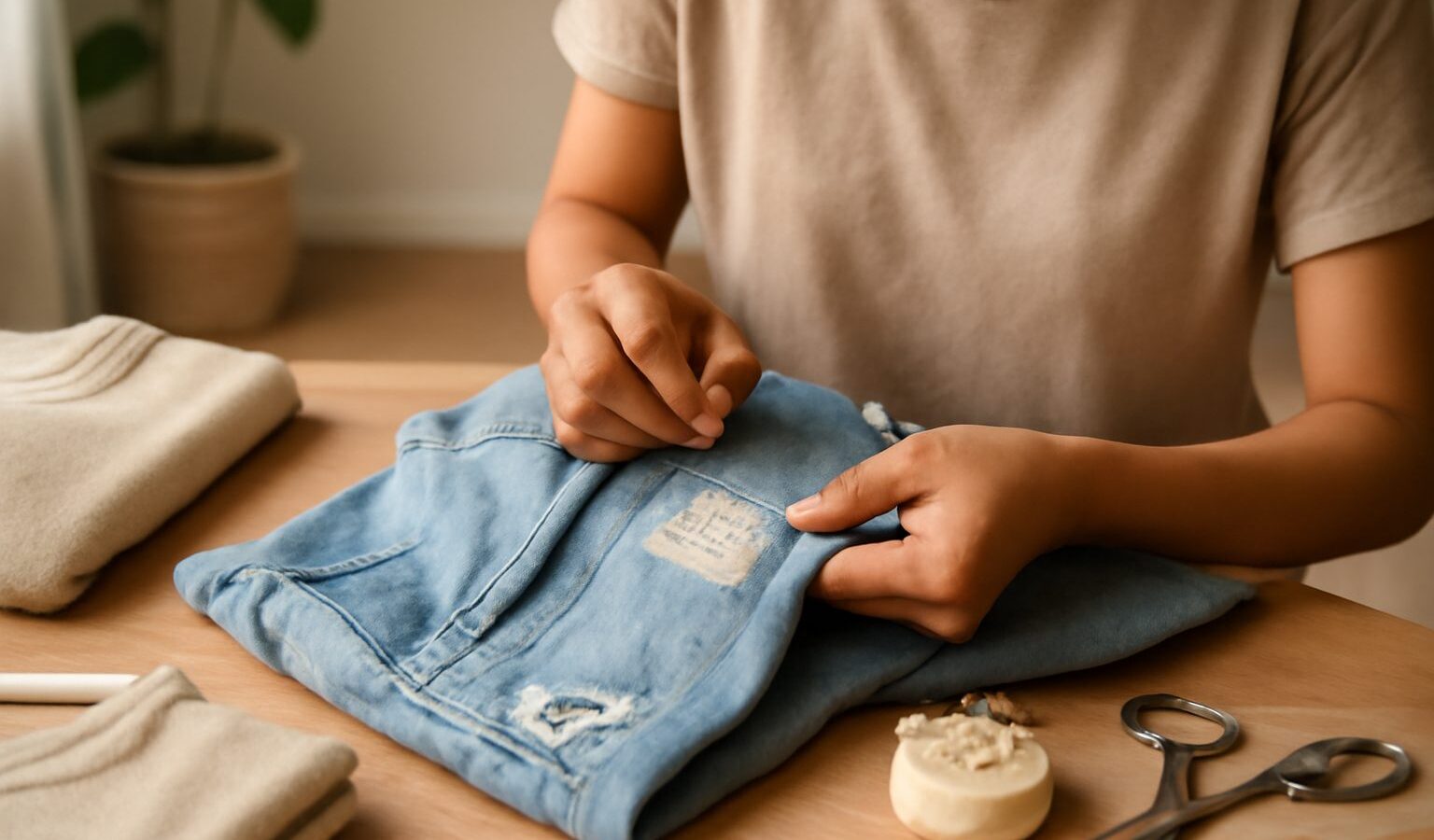
Learning a few basic repairs is one of the kindest things you can do for your wardrobe and your wallet. A popped button or a fallen hem does not mean a garment is finished, and the world of clothing alterations in Singapore, from the sewing kit in your drawer to the tailor at your neighbourhood mall, can keep your favourite pieces in rotation for years. This guide covers the small fixes you can manage at home, the tools that make them painless, and the moment it makes sense to hand the job to a professional. None of it requires talent, only a little patience and a threaded needle.
Building a Simple Home Repair Kit
You do not need a sewing machine or a craft cupboard to handle everyday mending. A small, tidy kit tucked into a drawer will see you through the vast majority of wardrobe emergencies, and every piece in it is inexpensive and easy to find at a neighbourhood provision shop, a craft store or online.
- Needles in a couple of sizes, plus a threader if your eyes appreciate the help.
- Thread in black, white, navy and beige, which between them match most of what we wear.
- Small, sharp scissors kept only for fabric, so they stay clean and precise.
- A handful of spare buttons, including the ones brands often sew inside a seam.
- Safety pins, a seam ripper and a fabric marker or tailor’s chalk.
- Iron-on hemming tape for a quick, no-sew fix in a pinch.
Keep everything in a tin or a zip pouch, and label nothing more complicated than that. Once the kit lives somewhere you can reach it in two minutes, mending stops feeling like a project and becomes a five-minute habit.
The Everyday Fixes You Can Do at Home
Most wardrobe mishaps fall into a short list of familiar problems, and each has a beginner-friendly solution. Start with buttons, since they are the most common casualty and the easiest win. Line the button up where its neighbours sit, pass the threaded needle up through the fabric and one hole, down through the opposite hole, and repeat six or eight times before knotting the thread on the underside. Leaving the stitches slightly loose so the button can sit up a little makes it far easier to fasten later.
Hems come next. When a trouser or skirt hem drops, you can catch it back up with a slip stitch that stays nearly invisible from the front, or reach for iron-on hemming tape when you want speed over permanence. Small tears and open seams respond well to a neat running stitch or a backstitch worked just inside the original seam line, which hides your handiwork and keeps the repair strong.
- Loose button: restitch in place, matching the tension of the others.
- Fallen hem: slip stitch by hand, or press on hemming tape for a fast fix.
- Split seam: turn the garment inside out and backstitch along the old seam.
- Small tear or hole: darn lightly by hand, or patch from behind with iron-on material.
- Snagged knit: gently pull the loop through to the inside rather than cutting it.
Work in good light, go slowly, and press the finished repair with an iron. A pressed seam always looks tidier and more deliberate than one left creased, and that single step is what makes a home fix look intentional rather than makeshift.
When to See a Tailor or Alterations Shop
Some jobs reward a professional hand, and there is no shame in knowing your limits. Anything structural, such as taking in a jacket, resizing a waistband, shortening sleeves with cuffs or reshaping shoulders, involves the internal build of a garment and is best left to someone with the right machines and experience. The same goes for tricky fabrics like silk, leather, heavy denim and anything pleated or lined, where a slip is hard to undo.
Alterations shops are wonderfully common here. You will find them tucked into HDB neighbourhood centres, inside malls near the dry cleaners, and along shopping stretches from Chinatown to the heartlands. Many turn around simple hems within a day or two, and prices for common jobs are generally modest, though they vary by shop, fabric and complexity, so ask for a quote before you commit. It is worth building a relationship with one nearby tailor who learns how you like things to fit.
A good alteration can also transform something you already own or a thrifted bargain that is almost right. Taking in a slightly boxy dress, tapering wide trousers or shortening straps often costs far less than buying new and gives you a piece that fits your body precisely. That is the quiet luxury of a tailor: clothes made to sit on you rather than on a mannequin.
Here is a rough guide to which jobs suit a beginner and which are worth handing over.
| Repair or alteration | Do it yourself | Better with a tailor |
|---|---|---|
| Reattaching a button | Yes, a beginner job | Only if you prefer |
| Fixing a fallen hem | Yes, hand or tape | For lined or delicate fabrics |
| Mending a small seam | Yes, backstitch it | If the seam is structural |
| Taking in a waist or jacket | Not recommended | Yes, needs machines and skill |
| Shortening sleeves with cuffs | Not recommended | Yes, a proper tailor job |
| Resizing leather or silk | Not recommended | Yes, specialist fabrics |
Use the table as a starting point, then trust your comfort level. If a repair feels beyond you, a short trip to the alterations shop is money well spent.
Caring for Repairs in Our Climate
Singapore’s heat and humidity are hard on clothes, so a little aftercare keeps your repairs and the whole garment lasting longer. Threads weaken faster in damp conditions, and stored clothing can attract mildew, so dry mended pieces fully before they go back in the wardrobe. Turning delicate items inside out for washing protects both the fabric and any hand stitching you have done.
- Wash mended garments on a gentle cycle to spare fresh stitches.
- Dry clothes completely, since trapped moisture weakens thread and invites mildew.
- Keep a silica gel sachet or two in humid drawers to reduce dampness.
- Reinforce a strained button or seam early, before it gives way again.
Little habits like these mean you repair each piece far less often, which is the whole point. The goal is not endless mending but a wardrobe that quietly holds together.
Making Repair a Habit Worth Keeping
Repairing and altering your clothes is a small skill with an outsized payoff. It saves money, spares perfectly good garments from the bin, and lets you keep the pieces you genuinely love long after a button pops or a hem slips. Even mastering two or three basic stitches changes how you see your wardrobe, from something disposable to something you tend.
Start with the easy fixes, keep a simple kit within reach, and lean on a trusted tailor for the bigger jobs. Over time, a quick mend on a quiet evening becomes second nature, and your clothes reward you by lasting longer and fitting better than ever.
Explore more
Repair sits at the heart of dressing more thoughtfully, so pair this with how to build a sustainable wardrobe and give preloved finds a new life with a guide to thrifting in Singapore. When a piece is truly past saving, where to donate or sell old clothes helps it move on, and caring for shoes, bags and leather extends the same attention to your accessories.