
Thrifting in Singapore has grown from a quiet, thrifty habit into one of the most enjoyable ways to dress well without spending a fortune. Buying second-hand means you find pieces nobody else at the party is wearing, you keep good clothes out of the bin, and you stretch a modest budget much further than the malls allow. Whether you are hunting for a one-off vintage jacket, filling out an everyday wardrobe, or simply curious about preloved fashion, this guide covers where to look, what to check before you buy, and how to make second-hand shopping a habit that actually works in our climate and our pace of life.
Why Thrifting Makes Sense Here
Singapore throws away an enormous amount of clothing every year, much of it barely worn, thanks to fast fashion, frequent online sales and the ease of buying holiday hauls abroad. Thrifting quietly rescues some of that. Every second-hand piece you buy is one less new item made, and one less good garment sent to be burned. It is a small, honest way to shop more sustainably without paying premium prices or trusting vague “eco” marketing.
The money side is just as persuasive. A well-made shirt or dress that cost a great deal new can turn up second-hand for a fraction of the price, often lightly used. Because older clothes were frequently made from sturdier natural fabrics, you sometimes get better quality than a same-price new item. Thrifting also rewards curiosity: you never know exactly what you will find, so a browse feels more like a treasure hunt than a chore. That element of surprise is part of the fun, and it teaches you to shop with an open mind rather than a rigid list.
Where to Thrift in Singapore
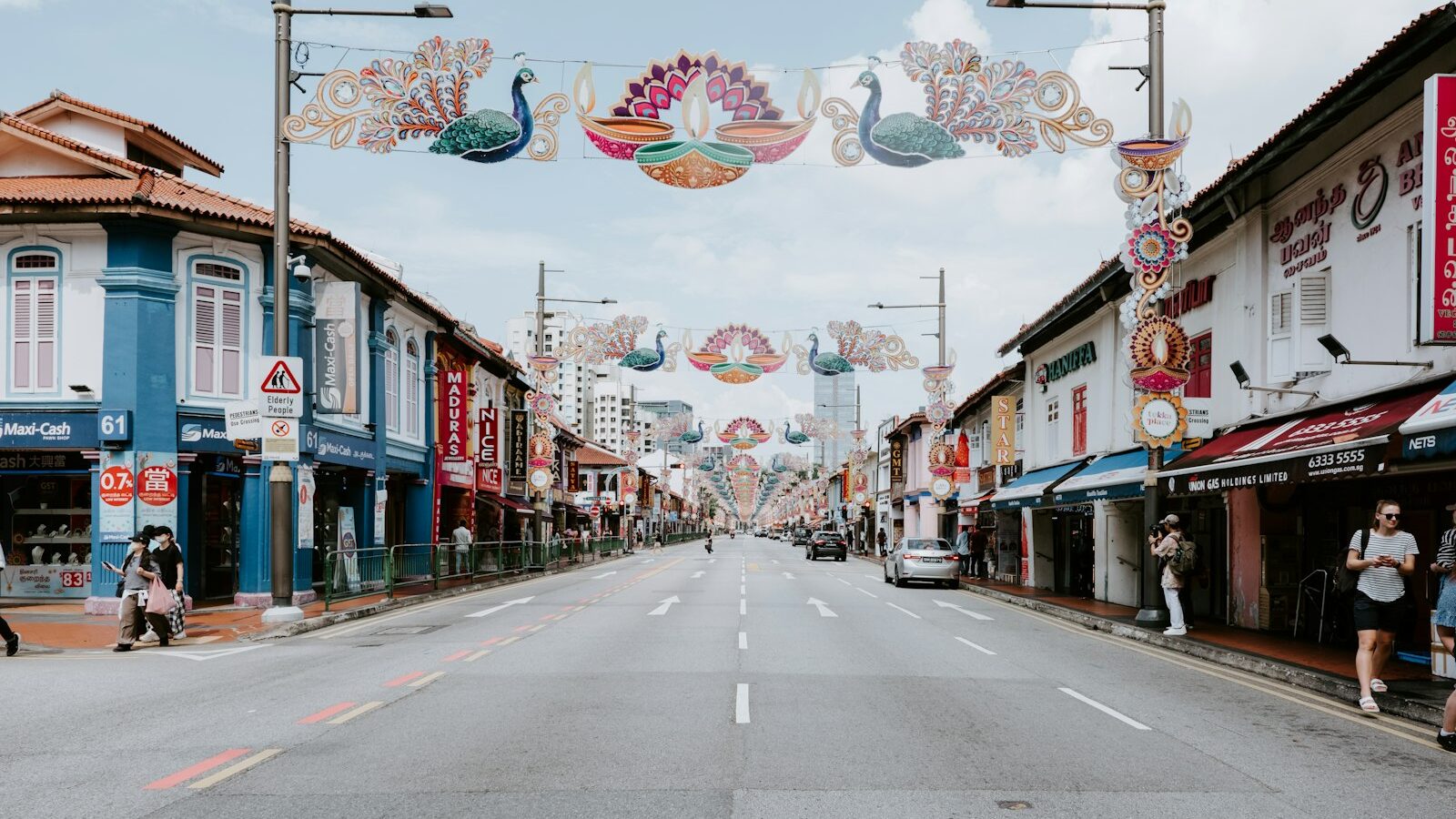
You have more options than you might expect, and each suits a different mood and budget. Charity shops run by local welfare organisations are the classic starting point, with racks of everyday clothes at very low prices and proceeds going to good causes. Dedicated vintage and curated second-hand boutiques, many tucked around Haji Lane, Kampong Glam and the older shophouse districts, cost more but do the sorting for you, so the quality is higher and the styling is stronger.
Online is where much of the action now happens. Resale apps and marketplace platforms are packed with preloved listings, from casual basics to designer bags, and you can filter by size, brand and price from your sofa. Community swaps, flea markets and pop-up bazaars add a social layer, letting you trade clothes you no longer wear for someone else’s cast-offs at little or no cost. Prices shift constantly, so treat any figure as a rough guide and always check the seller or shop for what things actually cost today.
| Where to shop | Best for | Rough price level | Watch out for |
|---|---|---|---|
| Charity and thrift shops | Everyday basics, bargain hunting | Budget | Limited sizes, no fitting room |
| Vintage and curated boutiques | Statement and quality pieces | Mid to premium | Higher prices, small stock |
| Resale apps and marketplaces | Specific brands and sizes | Budget to premium | Sizing guesswork, shipping delays |
| Flea markets and swaps | Casual finds, meeting people | Budget or free | Hit or miss, cash only |
What to Check Before You Buy
Second-hand shopping rewards a careful eye, because there are no returns on most preloved buys. Take your time and inspect each piece in good light. Turn it inside out, check the seams, and give it a gentle stretch to spot thinning fabric or loose stitching. A few common flaws are easy to miss in a hurry, so run through a quick mental checklist before you commit.
- Underarms and collars for staining, yellowing or a lingering smell that will not wash out.
- Zips, buttons and clasps, opening and closing everything to make sure it works.
- Hems and seams for fraying, holes or a wonky repair someone attempted before.
- The fabric composition label, so you know how to wash it and whether it suits our heat.
- The overall fit, since second-hand sizing from different eras and countries varies wildly.
If a fitting room is not available, wear fitted clothes so you can try things over them, or bring a soft measuring tape and know your key measurements. Small issues like a missing button or a dropped hem are worth overlooking if the piece is otherwise a gem, because a tailor can fix them cheaply. Serious problems such as broken zips on structured items, deep stains or a strong musty odour are usually best left behind.
Making Second-Hand Work in Our Climate
Our humidity means preloved clothes need a little care before they join your wardrobe. Always wash or air new-to-you pieces before wearing them, both for hygiene and to shift any storage smells. Delicate or structured items may prefer a gentle hand-wash or a trip to the laundry, while sturdy cottons are happy in the machine. Once clean and fully dry, store them the way you would any clothes here, with room to breathe and a dehumidifier box or silica packs in enclosed cupboards to keep mould away.
Lean towards breathable natural fabrics such as cotton, linen and lightweight wool blends, which handle the heat far better than heavy synthetics. Vintage pieces made for cooler countries can be lovely but stifling in our weather, so be honest about whether you will really wear that thick coat. Thrifting also pairs naturally with mending: a small repair or alteration turns a nearly-right find into a perfect one, and keeps clothes in use for longer.
Thrifting With Intention, Not Just for the Bargain
The one trap of cheap second-hand shopping is over-buying, because a low price makes it easy to say yes to things you do not need. A pile of unworn bargains is still clutter, and still waste. Shop with the same honesty you would at full price: ask whether a piece fits your real life, works with what you already own, and earns its place on the rail. The aim is fewer, better clothes you genuinely wear, not the biggest haul.
Go with a loose idea of what you are looking for, but stay open to surprises, since the best thrift finds are rarely the ones you planned. Visit regularly, because stock turns over fast and patience is rewarded. Over time you will develop an eye for quality and a feel for the shops that suit your taste, and second-hand will simply become one of the smartest, most personal ways you shop.
Explore more
Thrifting is one piece of a kinder, cleverer way to dress, so build on it. Our guide on how to build a sustainable wardrobe shows how second-hand fits alongside buying less and buying better. When a preloved find needs a small fix, how to repair and alter your clothes helps, and to move on the pieces you no longer wear, see where to donate or sell old clothes.