
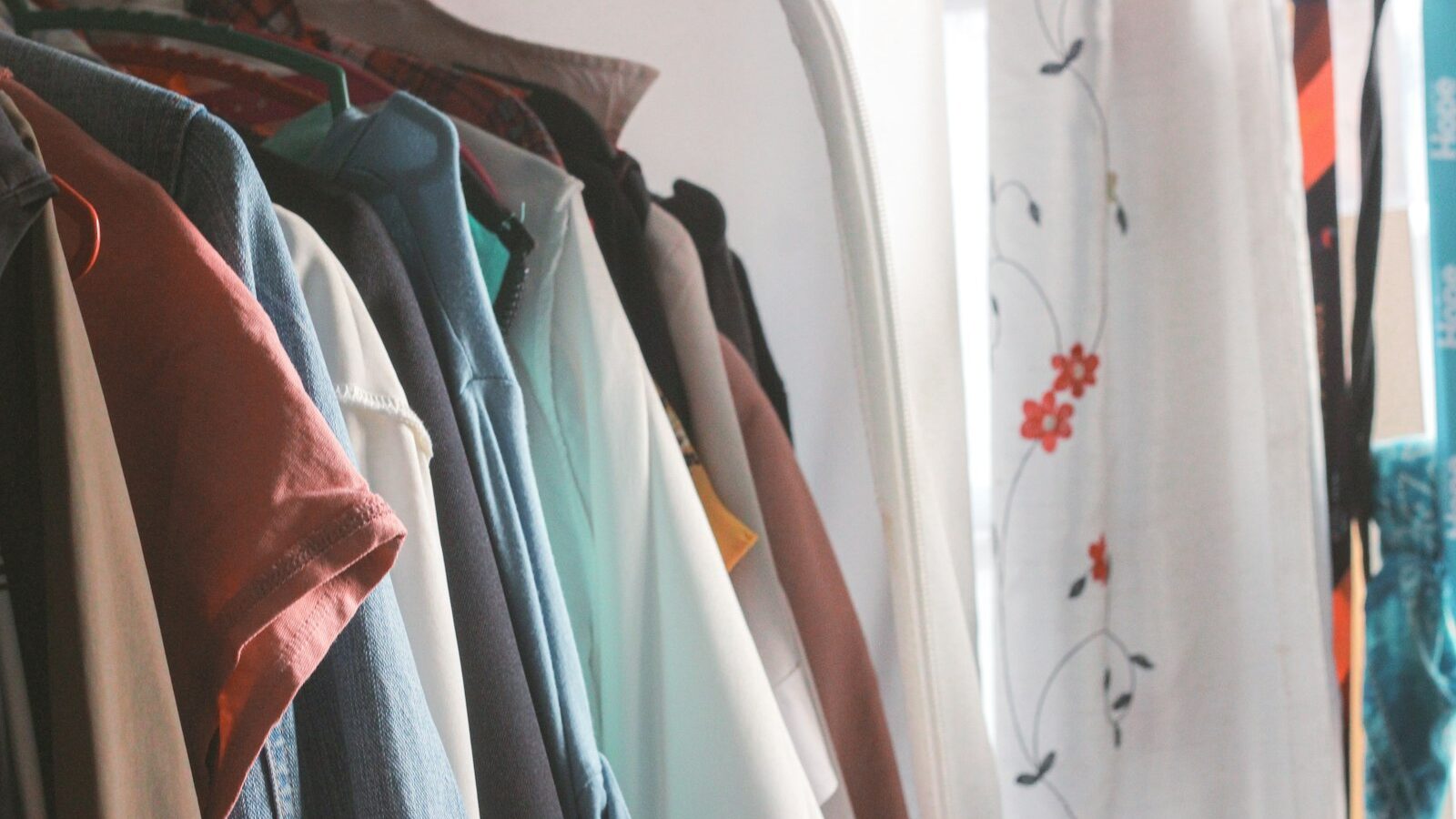
Building a sustainable wardrobe in Singapore is less about buying special “eco” labels and more about a simple shift in how you shop and care for clothes: buy less, choose better, and keep what you own in good use for longer. Our year-round heat, constant online sales and love of a bargain make it easy to accumulate far more than we wear, and a huge amount of clothing is thrown out here every year. The good news is that the most sustainable choices are also the most practical and often the cheapest. This guide walks through honest, doable steps, from planning your purchases to repairing, renting and passing clothes on, so your wardrobe works harder and lasts longer.
What a Sustainable Wardrobe Really Means
It helps to clear up a common misunderstanding first. A sustainable wardrobe is not one full of clothes marketed as green, because those claims are often vague and hard to verify. The single biggest thing you can do is simply own and wear fewer things for longer. Every garment already made carries the water, energy and labour that went into it, so the most responsible piece is usually the one you already have, or one that someone else no longer needs.
That reframes the whole project. Instead of chasing the “right” brand, you focus on getting more wear out of every item, wasting less, and buying thoughtfully when you genuinely need something. It is a forgiving approach, because it does not demand a perfect record or a big budget. Small, steady habits add up: skipping an impulse sale buy, repairing a hem, or borrowing an outfit for a one-off event all count. Progress, not purity, is the goal.
Buy Less, Choose Better
The heart of a sustainable wardrobe is buying with intention. Before any purchase, pause and ask whether you truly need it, whether it works with at least three things you already own, and whether you will wear it many times. This simple check filters out most of the impulse buys that end up unworn at the back of the cupboard. A tight, well-chosen set of pieces you love beats a rail crammed with almost-rights, which is exactly the logic behind a capsule wardrobe.
When you do buy, favour quality and versatility over the cheapest option, because a well-made garment worn a hundred times is far better value and far less wasteful than five cheap ones worn twice. Look for sturdy stitching, natural breathable fabrics that suit our humidity, and classic shapes you will still like in a few years. You do not have to spend a lot; mid-range and even second-hand pieces often outlast fast fashion. Below is a rough guide to how different choices tend to stack up.
| Approach | Cost over time | Sustainability | Best for |
|---|---|---|---|
| Fast fashion hauls | High through frequent replacing | Low, high waste | Rarely a good long-term choice |
| Buy less, buy better | Lower per wear | High | Everyday core wardrobe |
| Second-hand and thrifting | Low | High, reuses clothes | Bargains and unique pieces |
| Renting for occasions | Low per event | High for rare wear | Weddings, festive one-offs |
Care for What You Already Own
The clothes already in your wardrobe are your most sustainable resource, so making them last is the quietest and most effective step of all. Gentle, informed care keeps garments wearable for years and saves you the cost and waste of replacing them. Our climate is hard on clothes, so a good routine matters more here than in cooler places. A few habits make most of the difference.
- Wash less and cooler, since over-washing wears fabric out and fades colour faster than wearing does.
- Air clothes between wears rather than laundering after every outing, especially knits and jeans.
- Dry in the shade, because our strong sun bleaches colours and weakens fibres over time.
- Store with airflow and a dehumidifier box in enclosed cupboards to keep mould and musty smells away.
- Treat stains promptly so a small mark does not become a reason to retire a good piece.
Learning to mend goes a long way too. A reattached button, a restitched hem or a small patch can add years to a garment, and a local tailor can handle anything beyond your own sewing kit cheaply. Treating repair as normal, rather than a sign to throw something out, is one of the most sustainable mindsets you can build.
Thrift, Rent and Refresh Without Buying New
You can keep your style feeling fresh without a constant stream of new purchases. Second-hand shopping is the obvious route, giving preloved clothes a second life at low prices and often better quality than same-price new items. Charity shops, curated vintage boutiques and resale apps all offer different experiences, from bargain hunting to carefully chosen pieces. Clothes swaps with friends are effectively free and a fun way to update your rail.
Renting is perfect for the clothes you would wear only once, such as a wedding guest outfit, a festive piece or formal wear for a single event. Instead of buying something that then sits unworn, you borrow it, wear it, and return it, which sidesteps a very common source of wardrobe waste. Between second-hand and rental, you can cover almost every gap and occasion without adding permanently to your collection, keeping both your spending and your footprint low.
Let Clothes Go the Right Way
A sustainable wardrobe also means dealing responsibly with what leaves it, so nothing usable goes needlessly to the bin. When you declutter, sort outgoing clothes into clear piles: good pieces to donate or sell, loved-but-flawed ones to repair or alter, and only genuinely worn-out textiles for recycling. Wearable clothes can go to charity, to friends and family, or to second-hand apps if they have resale value, always washed and folded as a courtesy to whoever comes next.
Worn-out textiles that nobody can wear should be kept out of general rubbish where you can manage it. Textile recycling points and take-back schemes are slowly growing across the island, so check what is available and what they accept before you go, as these change. Handling the end of a garment’s life thoughtfully closes the loop, and it makes the whole habit of buying less and caring more feel worthwhile.
Explore more
A sustainable wardrobe is built from several small habits working together. Start bargain hunting with our guide to thrifting in Singapore, and when you would only wear something once, see a guide to clothing rental. To keep favourites going for years, how to repair and alter your clothes and where to donate or sell old clothes cover mending and moving pieces on.
Related across Sky Media: Building a Sustainable Daily Routine · Building a Sustainable, Eco-Friendly Home