
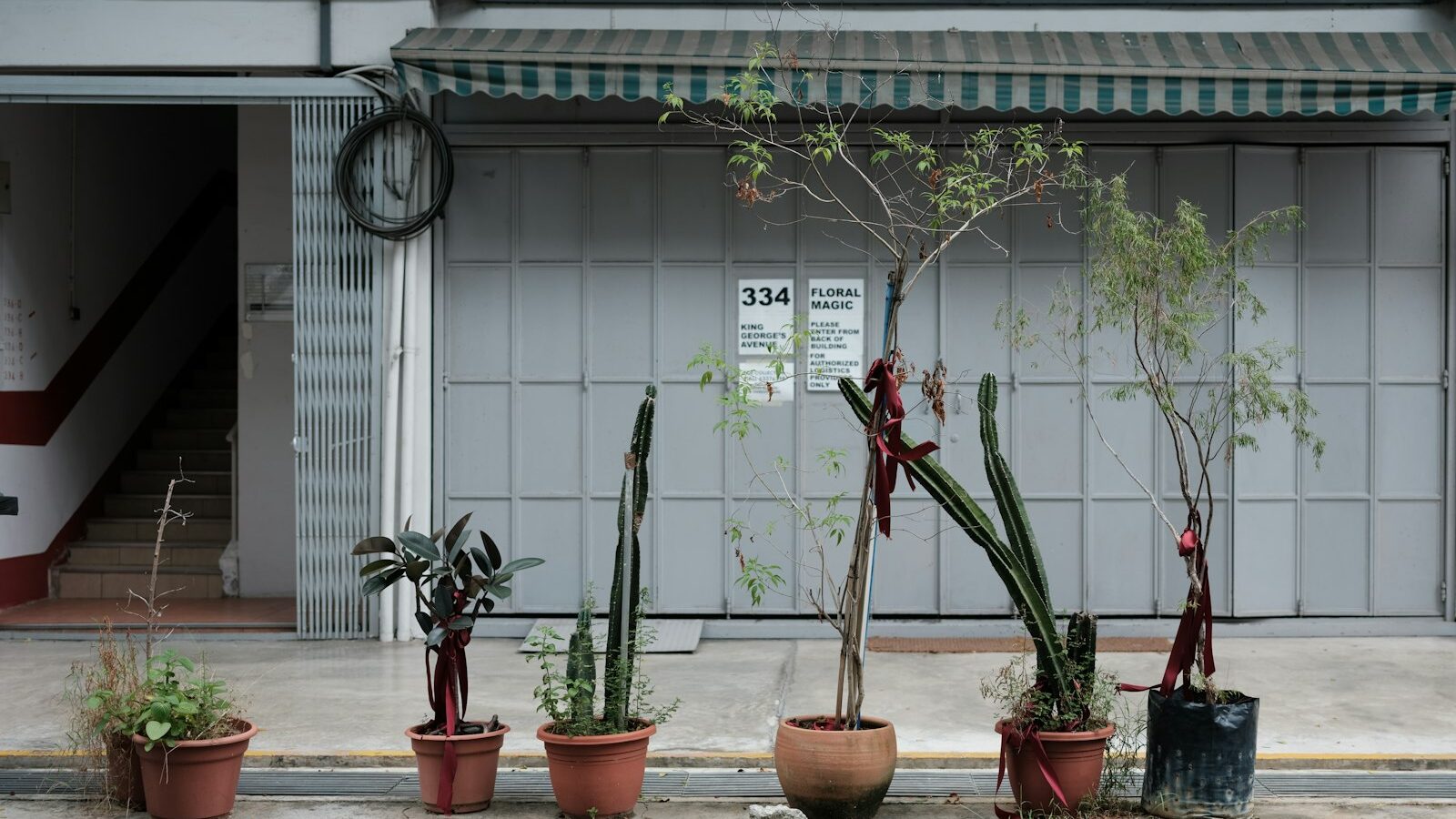
A drooping, yellowing plant can feel like a failure, but it is usually a puzzle with an answer. Plants are more resilient than we give them credit for, and many that look finished are simply asking, loudly, for one thing to change. Reviving plants Singapore homes have given up on is often a matter of reading the signs, finding the real cause, and adjusting your care rather than throwing the pot away. This guide walks you through the rescue, calmly and step by step.
Before anything else, take a breath. Most plant emergencies come down to water, roots, light or pests, and each has clear clues. Start with one easy plant, learn from it, and even a struggling houseplant becomes a lesson rather than a loss.
First, Read the Warning Signs
A dying plant is communicating. The trick is matching the symptom to the likely cause instead of guessing.
- Yellow, soft, dropping leaves often mean overwatering and soggy roots, our most common killer in humid Singapore.
- Crispy brown edges and wilting despite dry soil usually mean underwatering or too much fierce sun.
- Pale, leggy, stretched growth points to too little light.
- Sticky leaves, fine webbing or tiny bugs signal pests such as mealybugs, aphids or spider mites.
- A sour smell from the soil is a warning sign of root rot.
Look at the whole plant and its setting, not just the worst leaf. Where does it sit, how often do you water, and when did the trouble start? Those answers usually point straight to the cause.
Rescue Step One: Fix the Watering
Watering problems, in both directions, are behind most sickly plants. The fix depends on which way you have gone.
If the plant is overwatered, the soil is constantly wet and the roots are drowning. Stop watering, move the pot somewhere brighter and airier, and let the mix dry out. Check that the drainage holes are open and not blocked, because a pot that cannot drain will keep rotting roots no matter what else you do. In our humidity, soil stays wet longer than newcomers expect, so err on the drier side.
If the plant is underwatered, the soil has pulled away from the sides and gone bone dry. Give it a slow, thorough soak, or stand the pot in a tray of water for twenty minutes so the mix rehydrates from below, then let it drain fully.
Whichever way you water, do not let water sit in the saucer afterwards. Never let it collect and stagnate in pot saucers or trays, because standing water breeds Aedes mosquitoes and dengue is a real risk in Singapore. Tip out the saucer within a day, and follow NEA’s anti-mosquito advice as part of your normal routine.
Rescue Step Two: Check the Roots
If watering is not the whole story, or you suspect rot, it is time to look underground. This feels drastic but it is often what saves the plant.
- Gently slide the plant out of its pot and brush away loose soil.
- Inspect the roots. Healthy roots are firm and pale or white; rotten roots are brown or black, mushy and may smell sour.
- With clean scissors, trim away all the soft, dead roots until only firm ones remain.
- Repot into fresh, free-draining mix in a clean pot with open drainage holes, ideally one only slightly larger than the root ball.
- Water lightly, then leave it somewhere bright but out of harsh direct sun to recover.
A plant that has lost most of its roots will also need fewer leaves to support, so light pruning of the worst foliage helps it focus its energy on regrowing.
Rescue Step Three: Light, Air and Pests
With water and roots sorted, look at the plant’s surroundings. A plant in the wrong spot will keep struggling however carefully you water.
- Adjust the light. Move a pale, leggy plant somewhere brighter, and move a scorched one out of fierce afternoon sun. Most stressed houseplants recover best in bright, indirect light.
- Improve airflow. Stagnant, damp air encourages mould and fungus in our climate, so give crowded plants a little space.
- Deal with pests promptly. Wipe leaves, rinse off webbing or bugs, and treat with an eco-friendly or organic option if needed. Always follow the product label and keep any treatment away from children and pets.
- Hold off on feeding. A sick plant with damaged roots cannot use fertiliser and may be burned by it. Wait until you see fresh, healthy new growth before feeding again.
Patience is part of the cure. A recovering plant may sit and sulk for a few weeks before it pushes out new leaves, and that quiet stretch is normal.
Matching the Symptom to the Fix
When you are not sure where to start, use this to line up what you see with the most likely cause and first action.
| Symptom | Likely cause | First fix |
|---|---|---|
| Yellow, soft, dropping leaves | Overwatering, poor drainage | Stop watering, dry out, check drainage holes |
| Wilting, crispy edges, dry soil | Underwatering or harsh sun | Soak thoroughly, move out of fierce sun |
| Pale, stretched, leggy growth | Too little light | Move to a brighter, indirect spot |
| Sour soil, mushy brown roots | Root rot | Unpot, trim rotten roots, repot in fresh mix |
| Sticky leaves, webbing, tiny bugs | Pests | Clean leaves, treat with an eco-friendly option |
Knowing When to Let Go, and What You Need
Not every plant can be saved, and that is fine. If the stem is completely mushy and hollow, or there are no firm roots and no green tissue left anywhere, the plant has likely gone. Even then you can often take a healthy cutting from a surviving section and start again, turning a loss into a fresh plant.
To run a rescue you need very little: clean scissors, a bag of fresh free-draining potting mix, a clean pot with drainage holes, and a little patience. For supplies, Far East Flora, the nurseries around Sungei Tengah and Thomson, IKEA, community nurseries and online sellers all stock mixes, pots and treatments at a range of budgets. Prices vary between shops and seasons, so treat any figure as rough and check the nursery directly. As a loose guide, think budget for a bag of mix, mid-range for good pots and organic treatments, and premium for larger specimens if you decide to replace rather than revive.
Above all, be gentle with yourself. Every gardener kills plants, and each one teaches you something about water, light or roots that makes the next plant easier. A rescued plant that pushes out one new leaf is one of the quiet joys of growing.
Explore more
Many rescues start with getting the basics right, so see understanding soil and potting mix and protecting plants from heavy rain and heat. If pests or illness are behind the decline, our guides to how to deal with plant pests and common plant diseases and how to treat them will help you pin down the cause.