
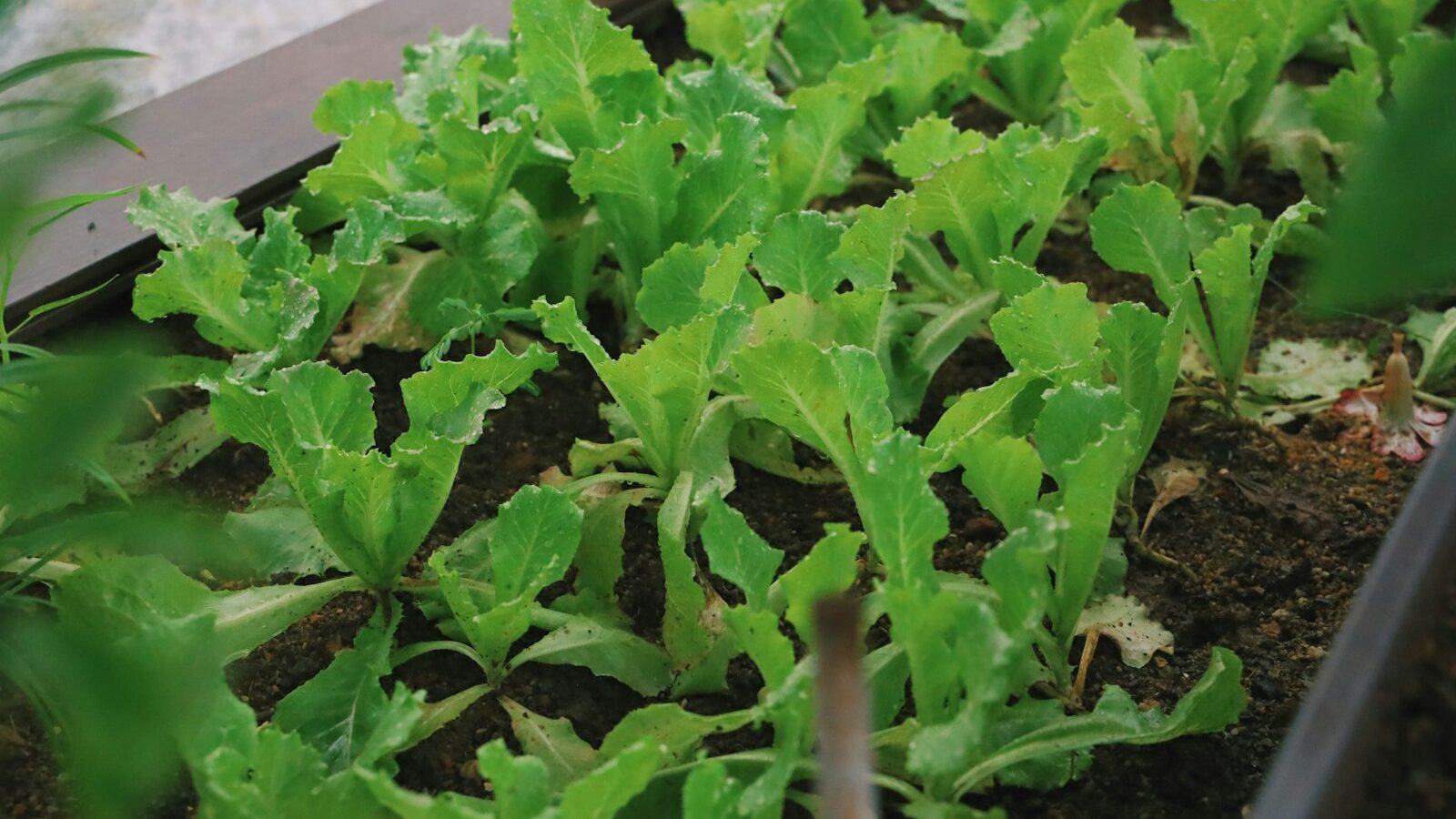
Ask any experienced gardener what makes the biggest difference to a healthy plant, and many will point not to the plant but to what it grows in. Getting your potting mix right in Singapore is quietly one of the most important skills you can learn, and it is far simpler than it sounds. The wrong stuff can drown roots or bake hard in the heat, while a good mix lets water drain, air reach the roots, and your plant thrive.
The confusing part for beginners is the words. Soil, potting mix, potting soil, compost and garden earth all get muddled together, yet they behave very differently in a pot on an HDB balcony. This guide clears up what each one is, why our tropical climate changes the rules, and how to choose or make a mix that works.
Soil, Potting Mix and Potting Soil: What Is the Difference
The single most useful thing to understand is that garden soil and potting mix are not the same, and swapping one for the other is a common beginner mistake.
- Garden soil is the earth from the ground. It is heavy, holds a lot of water, and compacts into a dense block inside a pot, which suffocates roots and stops water draining.
- Potting mix is a light, fluffy blend made for containers. It usually contains no actual soil at all, but ingredients like coco peat, composted bark, perlite and sand that hold some moisture while still draining and letting air in.
- Potting soil is often used to mean the same as potting mix, though some bags do contain field soil. Read the label rather than trusting the name.
- Compost is decomposed organic matter that adds nutrients and structure. It is a valuable ingredient in a mix, but on its own it holds too much water for most potted plants.
For almost anything you grow in a container on a balcony, corridor or windowsill, reach for a bag labelled potting mix, not garden soil. The exception is a proper raised bed or in-ground plot, where garden soil improved with compost is appropriate.
Why Our Tropical Climate Changes the Rules
Singapore’s weather makes drainage the number one priority. Our monsoon downpours can soak a pot within minutes, and if the mix holds all that water, roots sit waterlogged and quickly rot. Between storms, fierce sun and heat can bake a dense mix into a hard, cracked crust that repels water instead of soaking it up.
A good tropical potting mix therefore has to do two things at once: drain freely so roots never drown, yet retain just enough moisture to get a plant through a hot afternoon. This is why the fluffy, open texture of a proper mix matters so much here. Ingredients like perlite and coarse sand create air pockets and let excess rain escape, while coco peat and compost hold a reserve of moisture without turning to sludge.
Hardened, water-repelling mix causes another problem worth taking seriously. Water that pools on a crusted surface, or collects in the saucer beneath because it cannot soak in, becomes a breeding site for Aedes mosquitoes, and dengue is a real risk here. Keep your mix open and free-draining, tip out any water that collects in saucers or trays within a day, and never let a pot sit in standing water. Following NEA’s anti-mosquito advice is simply part of good potting practice.
What Goes Into a Good Mix
You do not need to memorise recipes, but knowing the main ingredients helps you read a bag or improve a mix. Most blends combine a few of these.
- Coco peat (coir): made from coconut husks, holds moisture and adds body. A sustainable local favourite.
- Perlite: the little white balls that look like polystyrene. They create air pockets and improve drainage.
- Compost or aged manure: adds nutrients and helpful structure. Use as a portion of the mix, not the whole thing.
- Coarse sand or grit: improves drainage further, useful for succulents and cacti.
- Composted bark or burnt earth: adds structure and drainage, common in local nursery mixes.
Different plants want different balances, which is where a quick comparison helps.
| Plant type | What it wants | Handy mix leaning |
|---|---|---|
| Leafy houseplants (pothos, monstera) | Moisture with good drainage | General potting mix plus a handful of perlite |
| Succulents and cacti | Fast drainage, low moisture | Potting mix cut with plenty of sand or grit |
| Herbs and leafy edibles | Steady moisture and nutrients | Potting mix enriched with compost |
| Orchids | Air around the roots, not soil | Bark-based orchid mix, never ordinary soil |
If in doubt, a good all-purpose potting mix suits most beginner plants, and you can adjust from there as you learn what each one prefers.
Choosing and Buying Mix in Singapore
You will find potting mix almost everywhere plants are sold. Far East Flora, the nurseries around Sungei Tengah and Thomson, hardware shops, IKEA and countless online sellers all stock bags in various sizes. Prices vary widely by brand, bag size and where you shop, so treat costs as rough bands and check the nursery or store rather than relying on any quoted figure.
- Budget: basic bagged potting mix from a hardware shop or supermarket. Perfectly fine for hardy starter plants.
- Mid: branded all-purpose potting mixes and specialist blends for herbs or succulents.
- Premium: imported, peat-free or organic mixes and tailored aroid or orchid blends.
When buying, feel the bag if you can. A good mix is light and springy, not heavy and wet. Look for the words potting mix rather than garden soil, and pick a specialist blend if you are growing something particular like orchids, succulents or edibles.
Keeping Your Mix Healthy Over Time
Potting mix is not permanent. Over months it breaks down, compacts and loses nutrients, especially in our fast tropical growth. A few habits keep it working.
- Refresh the top layer. Once or twice a year, scrape off the top few centimetres and replace it with fresh mix or compost.
- Feed as the mix tires. Nutrients wash out with frequent watering and rain, so feed during active growth, always following the product label and keeping fertiliser away from children and pets. Our guide on how to fertilise plants in Singapore goes into detail.
- Repot when it compacts. When water runs straight through or sits on top, and roots crowd the pot, it is time for fresh mix and perhaps a bigger container.
- Watch for fungus and mould. Persistently soggy mix can grow mould on the surface. If that happens, our guide to dealing with mould and fungus on plants can help.
Good mix also helps prevent trouble before it starts, since healthy, well-aired roots are far more resistant to the soil-borne problems covered in our guide to common plant diseases and how to treat them. Get the foundation right and much of the rest of gardening becomes easier.
Explore more
Now that your mix is sorted, keep plants fed with our guide to how to fertilise plants in Singapore, and tackle any surface growth with dealing with mould and fungus on plants. If roots or leaves start showing trouble, common plant diseases and how to treat them will help you diagnose it.