
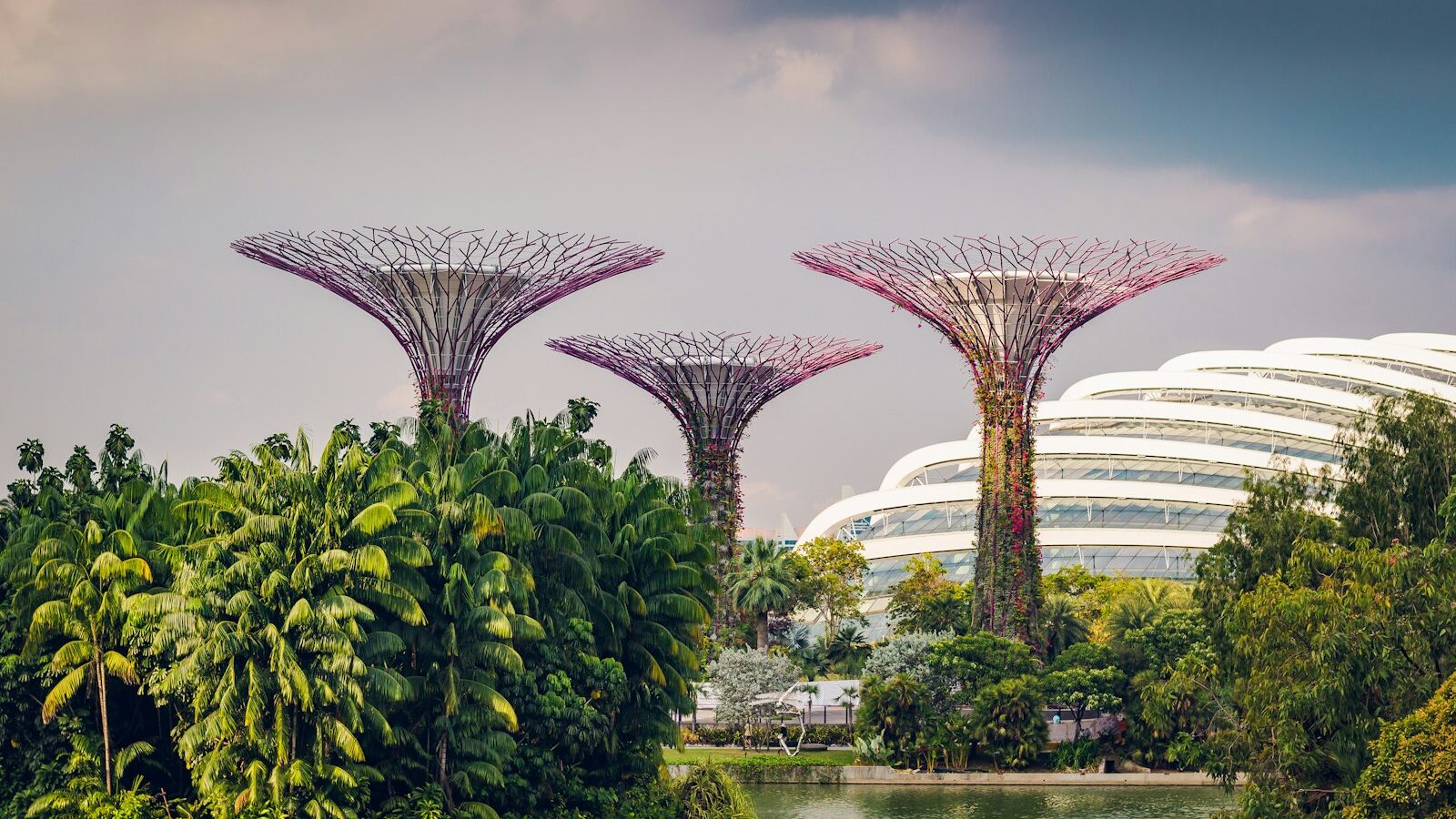
Singapore weather asks a lot of a plant. In the same week your pots can be battered by a monsoon downpour, then baked by fierce afternoon sun the moment the clouds clear. Protecting plants from Singapore weather is less about fancy kit and more about a few sensible habits: giving water somewhere to drain, softening the harshest sun, and never letting rain collect where it can breed mosquitoes. Get those right and your plants will ride out our wet-and-hot swings far better than you expect.
You do not need a greenhouse or a big garden. Even one balcony pot can be protected with a saucer you empty, a shadier corner, and a mix that drains freely. Small changes make a real difference here.
Why Our Weather Is So Hard on Plants
Singapore sits almost on the equator, so we get intense, near-vertical sun all year, high humidity, and two monsoon seasons that dump heavy, sudden rain. Plants are not fighting a cold winter here; they are fighting extremes of wet and hot, often on the same day.
Heavy rain causes two problems. It physically bruises leaves and flowers, and it waterlogs soil so roots sit in wet, airless mush and slowly rot. Intense sun does the opposite, drying pots out in hours and scorching tender foliage. A pot that is soaked at noon can be bone dry by evening, and that constant swing stresses roots more than either condition alone.
The good news is that most plants sold in local nurseries are already suited to the tropics. Your job is mainly to manage the extremes at the edges, not to change the climate.
Managing Heavy Monsoon Rain
The single biggest killer during the wet season is not the rain itself but water that cannot escape. A pot that holds a puddle after a storm is a pot slowly drowning its plant.
- Check drainage first. Every pot needs open holes at the base. If water pools on the surface long after rain, the holes may be blocked or the mix too compacted.
- Lift pots off the floor. Pot feet, a couple of tiles or a simple stand let water run away instead of sitting under the base.
- Use a free-draining mix. Adding perlite, coarse sand or a little grit to your potting mix helps monsoon water pass through rather than turning the soil to soup.
- Move vulnerable pots under cover. During a stormy spell, shift succulents, seedlings and delicate flowers to a sheltered corner, a covered balcony edge or beneath a bench.
- Tip out full saucers after every storm. A saucer that fills with rain is both a drowning risk and a mosquito risk.
If you garden on an HDB balcony or by a window, watch where rain is actually blown. Wind-driven rain can soak a spot you assumed was sheltered, so observe during one good storm before deciding what needs moving.
Draining Pots and Beating Dengue
This is the point that matters most in Singapore, so give it real attention. Never let water collect and stagnate in pot saucers, trays or any container, because standing water breeds Aedes mosquitoes and dengue is a genuine risk here. A saucer left full after a downpour can produce mosquitoes within days.
Make emptying standing water a fixed habit, not an afterthought:
- Tip out saucers and trays after every heavy rain and after each watering, ideally within a day.
- Avoid hardened, compacted soil that traps water on the surface; loosen the top layer so rain sinks in.
- Turn over empty pots, buckets and unused containers so they cannot fill.
- Change the water in any water-rooted cuttings or plant dishes regularly, and scrub the sides.
- Follow NEA’s anti-mosquito advice as part of your normal routine, and check hidden spots like plant trays and the rims of large pots.
Good drainage protects your plants and protects your neighbours. The same free-draining setup that stops root rot also stops water pooling long enough to breed mosquitoes, so it is worth doing well.
Shielding Plants From Intense Sun
Bright light is welcome, but our midday and west-facing sun can scorch leaves and cook roots in small pots. The aim is to keep sun-lovers in the light while sparing tender plants the harshest hours.
- Know your aspect. A west-facing ledge gets brutal afternoon heat; an east-facing one gets gentler morning sun. Match tougher plants to the hotter spots.
- Filter the fiercest light. A sheer curtain indoors, or light shade netting on a balcony, cuts the intensity without leaving plants gloomy.
- Use larger, light-coloured pots. They stay cooler and hold moisture longer than small dark ones that heat up fast.
- Group pots together so they shade each other’s soil and raise the humidity around the leaves.
- Water in the morning so plants are fully charged before the heat peaks; on the hottest days a second late-afternoon drink helps.
Watch for scorch signs: pale, bleached patches or crispy brown leaf edges usually mean too much direct sun, and the plant will thank you for a slightly shadier spot.
Rain or Shine: What to Do When
Different weather calls for different quick actions. Use this to match the conditions to a simple response for your pots.
| Condition | Main risk | Quick action |
|---|---|---|
| Heavy monsoon rain | Waterlogged roots, root rot | Improve drainage, lift pots, move delicate ones under cover |
| Full storm plus standing water | Mosquito breeding | Tip out saucers and trays within a day, turn over spare containers |
| Intense midday sun | Leaf scorch, fast-drying soil | Filter light, water in the morning, group pots |
| Hot and dry spell | Dehydration, wilting | Water deeply and early, mulch the surface, use larger pots |
Building Weather-Ready Habits and What You Need
You need very little to start protecting plants from our weather: pots with open drainage holes, a free-draining potting mix, and saucers you are willing to empty. Add pot feet or a simple stand, and some light shade netting or a sheltered corner, and you are well set for both seasons.
For supplies, Singapore is spoilt for choice. Far East Flora, the nurseries clustered around Sungei Tengah and Thomson, IKEA, community nurseries and online sellers all carry mixes, pots, perlite and netting across a range of budgets. Prices vary widely between shops and seasons, so treat any figure as rough and check the nursery directly. As a loose guide, think budget for a bag of perlite or a basic saucer, mid-range for quality pots and mixes, and premium for larger planters or proper shade structures.
If you feed your plants through the growing spells, always follow the fertiliser label, keep products away from children and pets, and lean towards eco-friendly or organic options where you can. Above all, keep it simple: drain well, shade the tender ones, and tip out standing water. Those three habits carry most plants safely through Singapore’s rain and heat.
Explore more
For the bigger picture, start with gardening in Singapore’s tropical climate, then get your foundations right with understanding soil and potting mix. Wet, humid spells often invite trouble, so it helps to know dealing with mould and fungus on plants, and if a pot does struggle, see how to revive a dying plant.