
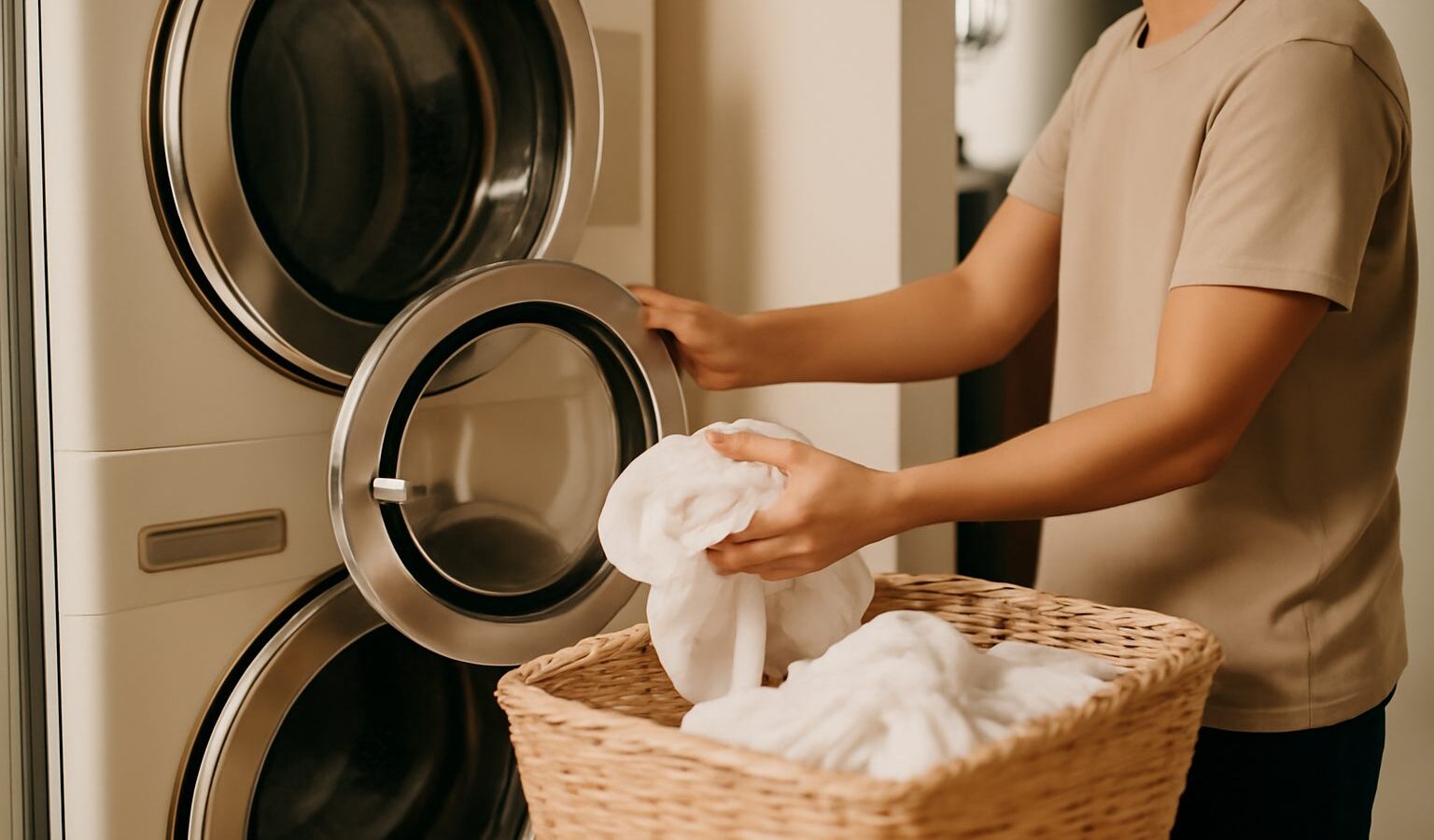
Everyone needs clean clothes, and in a dense, busy, apartment living city, laundry is a service many people happily pay for. A laundry business in Singapore can be a steady, systems driven operation that runs with relatively little drama once it is set up well. It is not glamorous, and margins reward efficiency over flash, but that predictability is exactly why many first time owners find it appealing. This guide covers the models, the setup, the costs, and how to grow.
Laundry covers several models. A self service laundromat lets customers wash and dry themselves, a full service shop washes, dries, and folds for them, dry cleaning handles delicate garments, and commercial or B2B laundry serves hotels, gyms, and businesses. Some operators combine models. Deciding which you are building shapes everything from premises to staffing.
The opportunity and who it suits
Laundry suits people who like reliable systems more than the spotlight. A well located self service laundromat can be relatively hands off once running, which appeals to owners who want a business that does not consume every waking hour. Full service and dry cleaning are more labour intensive but command higher prices and build loyal regulars.
Think about your temperament and goals:
- Do you want a hands off, machine led model or a hands on service business?
- Are you willing to be near your premises for maintenance and problems?
- Do you prefer serving individuals, or winning steady B2B contracts?
The trade offs are real. Rent and utilities in Singapore are significant, machines are a real upfront investment, and competition in convenient neighbourhoods is common. Location, more than almost anything, decides a laundromat’s fortunes.
Registration, licensing and premises
Register your business or company with ACRA first and choose a fitting structure. Many owners use a private limited company for liability protection, while a sole proprietorship is simpler for a single small shop. An accountant or corporate secretary can advise on what suits you.
Laundry has environmental and premises dimensions. A laundry or dry cleaning operation can involve requirements from the National Environment Agency, particularly around trade effluent, discharge, and the chemicals used in dry cleaning. Premises must be approved for the intended use, which touches Urban Redevelopment Authority permitted use, plus fire safety and utility capacity for heavy machines. Because the exact rules, permits, and fees depend on your setup and can change, confirm the current requirements with the NEA and the relevant authorities before you commit, especially if you plan to offer dry cleaning.
Location and premises deserve real diligence. Look for residential catchment, foot traffic, accessible parking or transport, adequate power and water supply, and drainage that suits the machines. Read tenancy terms carefully, since fit out and machine installation are costly to move later.
The table below compares the main models.
| Model | Setup weight | Labour intensity | Best suited to |
|---|---|---|---|
| Self service laundromat | High machine cost, lighter staffing | Low once running | Owners wanting a hands off model |
| Full service wash and fold | Moderate | Higher, daily handling | Service focused operators |
| Dry cleaning | Higher, more NEA and chemical rules | Skilled labour | Experienced garment specialists |
| Commercial or B2B laundry | High capacity investment | High | Operators chasing volume contracts |
Costs and getting started
You will not know exact numbers until you request quotes, but the cost drivers are clear. The big ones are premises and renovation, commercial grade washers and dryers, and utility connections, since laundry is water and power hungry. Add insurance, a payment and monitoring system for self service sites, and marketing to build early awareness. Ongoing costs are dominated by rent, utilities, and maintenance.
A sensible path lowers risk before you scale:
- Study several locations and their catchments before signing anything.
- Cost out machines, utilities, and fit out with real quotes.
- Consider whether an independent build or a franchise suits you better.
- Start with one well run outlet and prove the economics before expanding.
Franchising is worth weighing. A franchise offers a proven system, brand, and support in exchange for fees and less freedom, while going independent gives you full control and lower ongoing fees but more to figure out yourself. Neither is automatically better; it depends on your experience and appetite.
You can explore support for small businesses through Enterprise Singapore and official schemes, but do not build your plan around a grant, since amounts and eligibility change. Keep clean records, and speak with an accountant about GST and IRAS obligations as you grow.
Running and growing the business
Laundry rewards operational discipline. Machines that are down are money lost, so reliable maintenance is the heartbeat of the business. Clean, safe, well lit premises keep customers coming back, especially for self service sites where trust and comfort matter.
Practices that build a durable operation:
- Keep machines serviced and minimise downtime, since it directly hits revenue.
- Maintain spotless, secure, well lit premises that feel safe at all hours.
- Offer convenience, from easy payment to app based monitoring where sensible.
- Pursue steady B2B contracts, which can smooth out consumer demand swings.
Growth often comes from adding services, extending to nearby catchments, or layering in pickup and delivery for full service work. B2B relationships with gyms, salons, clinics, and small hotels can provide dependable recurring revenue that individual walk ins cannot match.
Manpower shapes the labour heavy models. For full service and dry cleaning, reliable staff matter, and hiring is affected by manpower and foreign worker rules, so plan early. For self service, your main staffing is maintenance and cleaning rather than counter service.
Common pitfalls to avoid
The common mistakes are avoidable with care. Choosing a poor location is the biggest, since no amount of good operations rescues a laundromat with too few nearby customers. Underestimating utility and maintenance costs erodes already lean margins. Skipping NEA or premises requirements, particularly for dry cleaning chemicals and effluent, risks penalties. And neglecting machine upkeep quietly drives customers to the competitor down the road.
This article is general information, not legal, financial, or professional advice. Rules, permits, and fees change, so confirm anything affecting your decisions with the NEA and relevant authorities, or a qualified professional, before you commit. Run with discipline and a smart location, a laundry business can be a dependable, low drama way to earn a living in Singapore.
Explore more
If you like steady, systems driven businesses, compare this with the operational rhythm of a pet care or grooming business. For a service built on skilled hands and loyal regulars, see how a salon or barbershop works. And if you prefer a licensed, expertise led path, a travel agency offers a very different but rewarding model.