
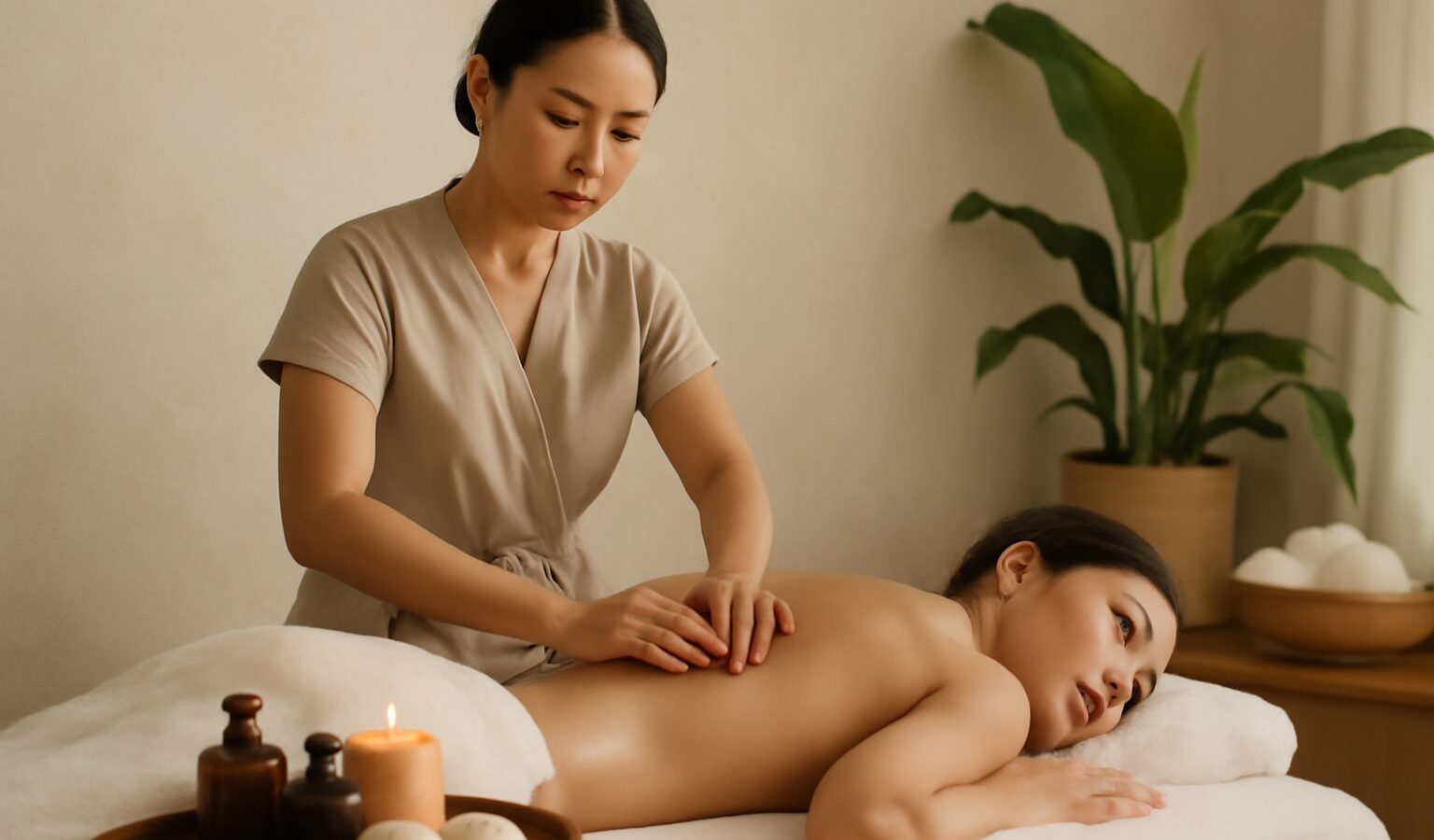
Wellness has moved from luxury to routine for many people here, and a calm, professional spa or massage practice can build a devoted clientele. But this is one of the more tightly regulated service trades, and getting the licensing right is not optional. If you are serious about starting a spa business Singapore residents will trust and return to, this guide covers the opportunity, the specific licence you must understand, setup and premises, costs, and how to run it well.
The opportunity and who it suits
Singaporeans lead busy, high-stress lives, and demand for massage, therapeutic bodywork, and spa treatments is genuine and recurring. A client who finds a therapist they trust will rebook for months or years. That loyalty, plus package and membership models, can make the business steady once it is established.
It suits you if you are a trained therapist yourself, or if you can recruit and manage qualified therapists while you handle operations, compliance, and front-of-house. This is a trust-and-touch business, so reputation, professionalism, and a spotless environment matter enormously. It also carries reputational sensitivity, which makes proper licensing and a clean, transparent operation especially important.
Decide your positioning early. A focused therapeutic massage practice, a relaxation day spa, and a treatment-led beauty spa are different businesses with different equipment, training, pricing, and clientele.
Licences, ACRA registration and premises
Begin with ACRA registration through BizFile, choosing a structure, whether a sole proprietorship or private limited company, that fits your plans. An accountant or corporate secretary can advise on the trade-offs. Handle GST and IRAS properly if your turnover crosses the threshold, and keep clean records throughout.
Now the part that is specific to this trade. Massage and spa establishments in Singapore generally require a Massage Establishment Licence, which is administered by the Police (the licensing authority), and there are conditions attached to how such premises operate. Do not treat this lightly and do not assume your exact services are covered or exempt. Confirm the current requirements, conditions, and any exemptions directly with the licensing authority before you sign a lease or open, because the rules are specific and they change. In addition, hygiene and health rules apply to treatments performed on the body, and some therapies may sit under health regulations, so check what applies to your specific service menu rather than guessing.
Premises must be approved for the intended use, so verify permitted use with the landlord and the authorities before committing. Location, privacy, ventilation, and a professional, transparent layout all matter, both for the client experience and for meeting the conditions that come with the licence.
Costs and getting started
Costs depend heavily on size, location, and how premium your fit-out is, so be wary of anyone quoting exact figures. Focus on the drivers and build a realistic buffer, because the licensing and compliance side adds lead time before you can earn.
The table below compares startup and effort drivers across three common formats.
| Driver | Solo massage practice | Day spa | Treatment-led spa |
|---|---|---|---|
| Space needed | One or two rooms | Several treatment rooms | Rooms plus equipment areas |
| Equipment | Tables and linens | Beds, showers, relaxation area | Beds, machines, product stock |
| Staffing | You, perhaps one therapist | Multiple therapists | Therapists plus specialists |
| Compliance load | Licence plus hygiene | Licence, hygiene, larger premises | Licence, hygiene, product rules |
| Revenue model | Sessions and packages | Packages and memberships | Treatments plus retail |
Budget in general terms for your deposit and renovation, treatment beds and linens, laundry, insurance, a booking system, staff, and a cash reserve to cover the licensing lead time and quiet opening weeks. For support, look at Enterprise Singapore and official schemes, and check current eligibility yourself since it changes.
Staffing, running and growing it
Qualified, professional therapists are the core of the business and are hard to recruit and retain. Hiring, including any foreign-worker considerations, is governed by MOM rules, and this trade also has licensing conditions that can touch on staff, so check current requirements on both fronts before you plan headcount. Put employment or commission terms in writing, along with clear professional and conduct standards.
Running it well comes down to consistency and trust:
- Maintain a spotless, calm, and clearly professional environment at all times.
- Keep proper client records, including any health notes and consent where relevant.
- Use packages or memberships to build predictable, recurring revenue.
- Reduce no-shows with reminders and sensible deposit policies.
- Protect your reputation actively, since trust is the whole business.
Growth usually comes from retention, packages, and referrals rather than heavy discounting. A professional online presence and genuine word of mouth attract the right clients. Think, too, about the quiet operational details that shape reputation over time: reliable laundry and linen, comfortable temperature and lighting, honest scheduling that does not overbook your therapists, and clear pricing with no surprises at the counter. These small things are what turn a first-time visitor into a client who books a package and tells their friends, which is far cheaper and more durable than any promotion.
Common pitfalls to avoid
The biggest mistake in this trade is treating licensing as an afterthought. Because massage establishments are specifically regulated, opening without confirming and meeting the current requirements is a serious risk. Other common errors include overspending on fit-out before demand is proven, underpricing and then failing to keep good therapists, and neglecting hygiene under time pressure.
Watch your economics: therapist utilisation, rent as a share of revenue, and package redemption. This is general information, not legal, tax, or professional advice. Confirm the Massage Establishment Licence requirements with the Police licensing authority, and verify health, employment, and tax questions with the official sources or a qualified professional before you commit.
Explore more
If you are mapping out wellness and beauty options, compare how to start a nail or beauty salon in Singapore and how to start a salon or barbershop in Singapore, which face lighter licensing than a spa. For another recurring, membership-friendly model in the wellness space, how to start a fitness studio or gym in Singapore is worth reading alongside this guide.