
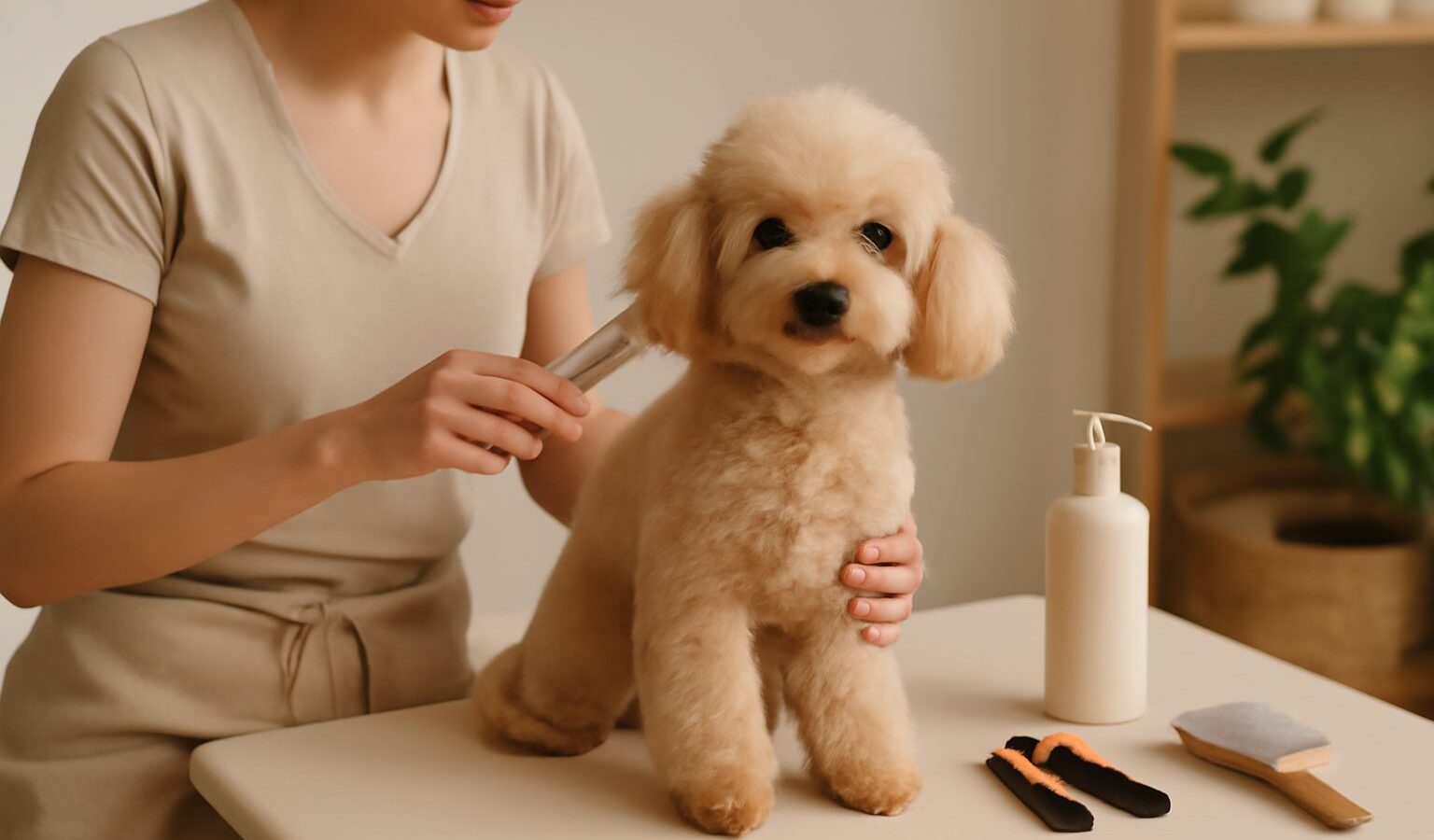
Singaporeans love their pets, and they spend on them. From grooming and daycare to boarding, walking, and mobile services, a well run pet care business in Singapore can build a loyal, repeat client base. It is also a hands on trade that involves living animals, so it carries real responsibility and specific rules. This guide covers who it suits, the licensing you need to check, the costs, and how to grow.
Pet care spans several models. You might focus purely on grooming, offer boarding and daycare, provide dog walking and pet sitting, or run a mobile grooming van that visits homes. Each has different space, licensing, and staffing needs, so decide early which lane you are entering.
The opportunity and who it suits
This business rewards people who genuinely love animals and can stay calm and gentle when a nervous dog is on the table. It also demands stamina. Grooming is physically tiring, boarding means early mornings and late nights, and animals do not take public holidays off. If you are comfortable with that reality, the upside is a warm, relationship driven business where good work brings customers back monthly.
Consider where your strengths lie:
- Are you skilled with the scissors and clippers, or better at operations and customer care?
- Do you want a fixed shopfront, a home based service, or a mobile setup?
- Which animals will you serve, dogs and cats only, or small pets too?
The market is competitive, especially for grooming in convenient locations. Your edge is usually consistency, gentleness with anxious pets, and the trust that comes from owners knowing their animal is safe with you.
Licensing, registration and premises
Register your business or company with ACRA first, and pick a structure that fits your risk and growth plans. A private limited company offers liability protection, while a sole proprietorship is simpler to start. An accountant or corporate secretary can help you choose.
Animal related businesses are regulated, and the key authority is the Animal and Veterinary Service, a cluster under the National Parks Board. Certain activities involving animals, such as boarding or dealing in pets, require a licence from AVS, and there are animal welfare and housing standards to meet. Because the exact licence categories, conditions, and fees change, check the current requirements directly with AVS and NParks before you commit. Do not assume grooming or walking carries the same rules as boarding; confirm what applies to your specific model.
Premises approval matters too. A commercial unit used for pet services must be approved for that use, which touches on Urban Redevelopment Authority permitted use and, depending on the setup, fire safety and environmental considerations. Boarding in particular has stricter facility standards. If you work from home or run mobile services, different conditions apply, so verify what is allowed before advertising.
The table below sorts common models by their setup demands.
| Model | Licensing weight | Space needed | Best suited to |
|---|---|---|---|
| Grooming salon | Moderate, check AVS and premises rules | Small shopfront | Skilled groomers wanting a base |
| Boarding and daycare | Heavier, welfare and facility standards | Larger, approved premises | Operators ready for higher regulation |
| Mobile grooming | Lighter premises, check vehicle and AVS rules | A fitted van | Solo groomers valuing flexibility |
| Walking and pet sitting | Lighter, still confirm requirements | None fixed | People starting lean and local |
Costs and getting started
Your costs depend heavily on the model. A mobile or home based service starts far leaner than a shopfront salon or a boarding facility. The main drivers are premises and renovation, grooming equipment, a vehicle if you go mobile, insurance, and marketing to fill your calendar. Boarding adds the cost of safe, comfortable housing for animals and the manpower to supervise them around the clock.
A lower risk way to begin is to build skill and reputation before signing a lease:
- Get properly trained in grooming or animal handling if you are not already.
- Start small, perhaps mobile or home based, to prove demand and refine pricing.
- Gather reviews and repeat clients before committing to a fixed, fitted out premises.
- Scale into boarding or a larger salon once cash flow supports it.
You can explore support for small businesses through Enterprise Singapore and official schemes, but do not build your plan around a grant. Amounts and eligibility change, so check the official sources. Keep tidy records, and speak with an accountant about GST and IRAS obligations as you grow.
Running and growing the business
Pet care is a trust business. Owners are handing over a family member, so how you communicate and how the animal feels afterwards decides whether they return. A few practices build loyalty:
- Keep detailed notes on each pet, breed, temperament, coat, and any health flags.
- Handle nervous animals patiently, and never rush in a way that risks safety.
- Send before and after photos, which owners love and share.
- Offer easy rebooking, since regular grooming is a recurring need.
Marketing here is visual and local. A clean social feed of your grooms, genuine reviews, and a simple booking process do most of the work. Referrals from happy owners, vets, and neighbourhood networks compound over time. Location and convenience matter, so being near where pet owners live is an advantage.
Staffing is a real constraint. Skilled groomers are in demand, and hiring is shaped by manpower and foreign worker rules, so plan early and treat good staff well. Animal welfare must always come first, both because it is right and because reputation in this community travels fast.
Common pitfalls to avoid
The usual mistakes are avoidable. Overcommitting to an expensive shopfront before you have proven demand is a classic trap. Skipping proper AVS licensing or premises approval, especially for boarding, risks penalties and closure. Underpricing to win clients can leave you exhausted and unprofitable. And cutting corners on animal safety or handling can end your reputation overnight in a tight knit pet community.
This is general information, not legal or veterinary advice. Rules, licence categories, and fees change, so confirm anything that affects your decisions with AVS, NParks, and other relevant authorities, or a qualified professional. Approached with care and genuine love for animals, a pet care business can be a steady, joyful way to earn a living.
Explore more
If you enjoy appointment based service work, compare this with running a salon or barbershop, which shares the same rhythm of bookings and regulars. For a calmer, wellness focused model, see how a spa or massage business handles licensing and client trust. And if you like the idea of teaching and nurturing, an enrichment centre is another people first business with loyal, repeat customers.