
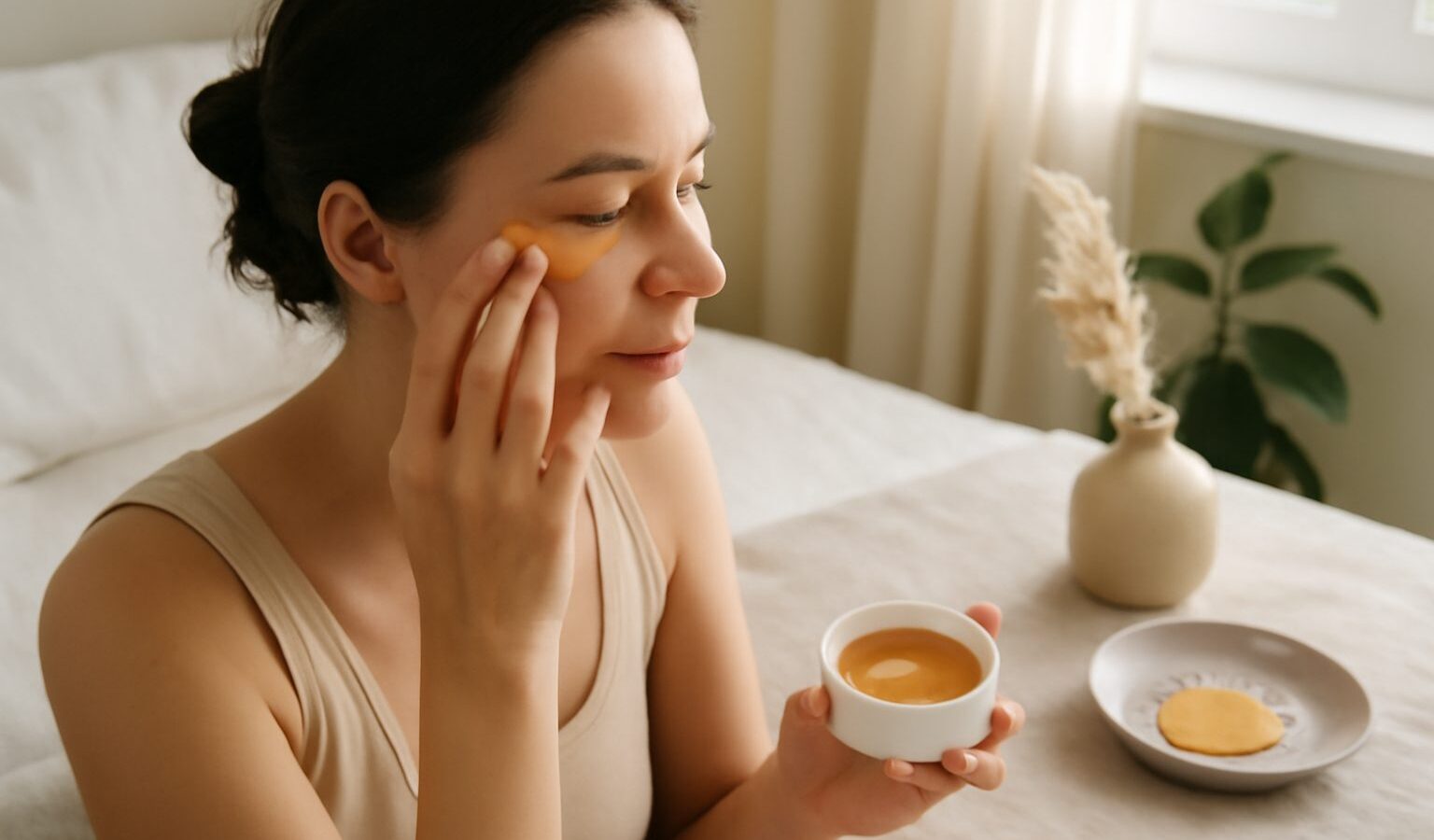
If you have ever scrolled through a beauty aisle or a skincare haul, you have probably seen those little crescent-shaped jelly patches that sit under the eyes. Hydrogel eye patches singapore shoppers reach for are a quick, low-effort treat that can leave the under-eye area feeling cool, soft and briefly plumped. They are not magic, and they will not erase genetics or a late night, but used sensibly they are a pleasant addition to a routine. This guide walks through what they are, how to use them, and what to expect without the hype.
What Hydrogel Eye Patches Actually Are
Hydrogel is a water-rich gel, usually built on a base of ingredients that hold moisture against the skin. Unlike a cotton or fibre sheet mask, a hydrogel patch is a soft, wobbly gel that clings closely to the contours under your eyes. That close contact is the whole point. It creates a temporary seal that slows water loss and helps the serum sit on the skin rather than evaporating quickly in our aircon and humidity.
Most patches are soaked in a cocktail of humectants and soothing agents. Common ones you will see on the label include:
- Hyaluronic acid, a humectant that draws in and holds water for that plumped look.
- Glycerin, a reliable, budget-friendly moisture magnet.
- Niacinamide, often included for a general conditioning and brightening feel.
- Caffeine, added for a temporary tightening or de-puffing sensation.
- Peptides, panthenol and plant extracts for a soothing finish.
If you want to understand why these ingredients behave the way they do, it helps to read up on how hyaluronic acid works in skincare before you shop, so the marketing on the front of the pack makes more sense.
What To Realistically Expect
Here is the honest part. Eye patches are mostly a hydration and comfort tool. The visible plumping you notice afterwards is largely a moisture effect, which means it is temporary and tends to fade over the day. That is still genuinely useful before an event, a video call or after a poor night’s sleep, but it is not a permanent fix.
Ingredients like caffeine can give a short-lived tightening feel that some people find helps with mild morning puffiness. The effect is gentle and does not last, so treat it as a nice-to-have rather than a treatment. Dark circles are trickier, because they can come from pigmentation, thin skin showing blood vessels, shadows from bone structure, or a mix of all three. Patches can soften the look of dryness and fine crepey texture, but they cannot change your underlying anatomy. For a fuller picture of causes and options, our guide to dark circles and under-eye puffiness is a sensible next read.
How To Use Them Well In Singapore’s Climate
Getting the most out of a patch is mostly about technique and timing.
- Start with clean skin. Apply patches after cleansing and, ideally, after a light hydrating layer so you are sealing in moisture.
- Position them a little lower than you think, roughly a couple of millimetres below the lash line, following the curve of the eye socket. Keep product away from the waterline and lashes.
- Leave them on for the time stated on the pack, usually around fifteen to twenty minutes. Do not leave them until they dry out, because a dry patch can start to pull water back out of the skin.
- Once removed, gently press the leftover essence in rather than wiping it away. A few seconds of soft tapping or a very light massage helps, though the eye area needs an especially light touch and should never be tugged or dragged.
- Follow with your usual moisturiser and, in the morning, sunscreen.
A little trick that suits our heat: keeping patches in the fridge makes them feel more cooling and refreshing, which many people find pleasant for a morning de-puff. If you like storing products cool, our piece on skincare fridges and storing skincare covers what is worth chilling and what is not.
Safety, Sensitivity And Sensible Habits
The eye area is delicate, so a few precautions go a long way. Fragrance and certain botanical extracts can irritate some people, and irritation near the eyes is uncomfortable and best avoided. Whenever you try a new product, do a small patch test first on a less sensitive spot before putting anything close to your eyes.
Stop using a product if you notice stinging, redness, watering or itching that does not settle. Do not use patches on broken or irritated skin, and keep them out of the eyes themselves. If you have persistent, sudden or one-sided puffiness, dark circles that seem to be worsening, or any eye symptoms that worry you, see a doctor rather than relying on skincare, because those can have causes that a patch will never address.
It is also worth being clear-eyed about single-use waste. Hydrogel patches are typically single-use and come with packaging, so if that matters to you, use them for occasions rather than daily and enjoy them mindfully.
Used with realistic expectations, hydrogel eye patches are a lovely small ritual. They hydrate, they soothe, they feel cooling in the heat, and they give you a few minutes of calm. Think of them as a comfort step and an occasional pick-me-up, keep your everyday basics like moisturiser and sunscreen consistent, and see a professional for anything that feels like more than tired-looking eyes.