
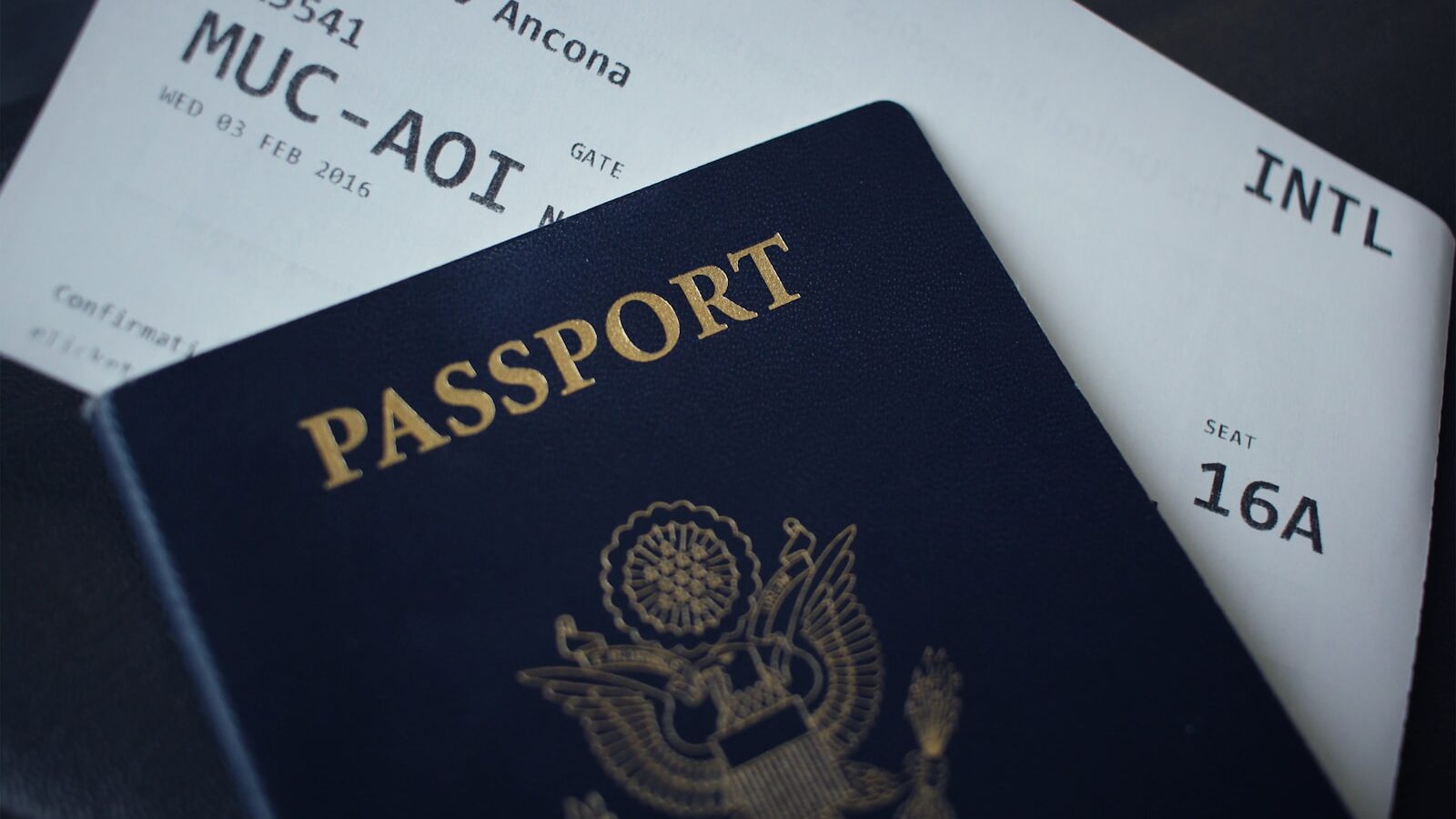
Immigration is an important and carefully managed area of policy in Singapore, encompassing permanent residency and citizenship. This explainer covers the approach to immigration, PR and citizenship, how it is managed and why it matters. For authoritative details, refer to the Immigration and Checkpoints Authority (ICA) and official sources.
Singapore’s approach to immigration
Singapore takes a carefully managed and calibrated approach to immigration, recognising both its benefits and the need to manage it in the national interest. Given the nation’s small size, immigration relates to considerations such as economic needs, demographics, the social fabric and long-term sustainability. The government manages immigration deliberately, balancing the contributions that newcomers and new citizens can make with considerations of integration, social cohesion and the interests of citizens. Immigration policy is thus a significant and sometimes sensitive area of national policy, carefully calibrated over time. Understanding Singapore’s approach illuminates how the nation thinks about immigration, permanent residency and citizenship, and the balancing act involved in managing the inflow and integration of newcomers in a way that serves the nation’s long-term interests.
Permanent residency and citizenship
| Status | Broadly |
|---|---|
| Permanent Resident (PR) | A settled residency status |
| Citizen | Full membership of the nation |
| Application | Managed and selective processes |
| Integration | An important consideration |
Singapore’s immigration framework includes permanent residency and citizenship as key statuses. Permanent residency (PR) grants a settled residency status with certain rights and obligations, while citizenship represents full membership of the nation. Both statuses are granted through managed, selective processes with criteria and considerations, reflecting the government’s careful approach to immigration. The government assesses applications with regard to various factors and manages the numbers granted in line with policy goals. Integration of PRs and new citizens into society is an important consideration. These statuses are significant, carrying rights, responsibilities and a stake in the nation. For specific, current details on eligibility, criteria and application processes for PR and citizenship, ICA provides authoritative information, as these are subject to policy and are carefully managed.
How immigration is managed
The government manages immigration through various policy levers and considerations, aiming to calibrate it in the national interest. This includes managing the numbers of PRs and new citizens granted, applying criteria and selective processes to applications, and considering factors relevant to the nation’s needs and the integration and contribution of newcomers. Immigration policy is calibrated over time in response to considerations such as economic needs, demographics, social cohesion and sustainability. The government also emphasises the integration of newcomers into society. This active, deliberate management reflects the importance and sensitivity of immigration policy and the balancing act it involves. Understanding how immigration is managed illuminates the considerations and tools behind the nation’s approach, and the emphasis on calibrating immigration and fostering integration in a way that serves Singapore’s long-term interests and social fabric.
Integration and social cohesion
A key consideration in Singapore’s immigration policy is the integration of newcomers and the maintenance of social cohesion. Given the nation’s diverse, multicultural society, integrating PRs and new citizens, and fostering harmony and a shared identity, are important. Efforts to promote integration help newcomers adapt to and contribute to society, and help maintain the social fabric and cohesion valued in Singapore. Integration is a two-way process, involving both the efforts of newcomers to adapt and integrate and the openness of society to welcome them. This emphasis on integration reflects the understanding that successful immigration involves not just the granting of status but the building of a cohesive, harmonious society. Understanding this consideration illuminates an important dimension of immigration policy and the value placed on social cohesion and shared identity in the nation.
Why it matters
Immigration and PR policy matter because they shape the nation’s population, demographics, economy, social fabric and future. Immigration relates to economic needs, demographic considerations, and the diversity and cohesion of society, making it a significant and sometimes debated area of policy. For individuals considering PR or citizenship, understanding the framework and its considerations is relevant. For citizens, immigration policy relates to the composition and future of the nation and considerations of integration and cohesion. For the nation, managing immigration well is important to long-term sustainability and social harmony. Understanding immigration and PR policy fosters informed awareness of an important and sensitive aspect of national policy, and of the careful balancing act the government undertakes in managing immigration in the national interest.
The takeaway
Immigration is an important and carefully managed area of policy in Singapore, encompassing permanent residency and citizenship. The nation takes a calibrated approach, balancing the contributions of newcomers with considerations of economic needs, demographics, integration and social cohesion. PR and citizenship are granted through managed, selective processes, with the integration of newcomers an important consideration. Immigration policy is calibrated over time in the national interest, and it matters because it shapes the nation’s population, economy, social fabric and future. Understanding it fosters informed awareness of a significant and sensitive area of national policy. For authoritative, current details on PR, citizenship and immigration, always refer to ICA and official sources.
PR versus citizenship: what actually differs in daily life
While the article describes PR and citizenship as broad statuses, many Singapore residents find the practical distinctions more useful when weighing up their options. Both statuses come with real rights and real responsibilities, and the differences show up in areas that touch everyday life such as housing, retirement savings, national service and travel. The points below give a general sense of where the two diverge, but the specifics are set by policy and can change over time, so anyone making a decision should confirm the current position with the relevant agency.
- Housing: Citizens and PRs face different rules and eligibility when it comes to public housing, resale flats and related grants or schemes. HDB is the authoritative source for who may buy what, and under which conditions, so it is worth checking directly rather than relying on word of mouth.
- CPF contributions: PRs participate in the CPF system, and contribution rates for new PRs may be phased in during the first years of residency. CPF Board sets out the current rates and how they apply, and this is the place to verify your own situation.
- National service: National service obligations are an important consideration for male PRs and their sons, and for male citizens. The details of who is liable and when are managed by MINDEF and the relevant authorities, so families should check the official position early rather than assume.
- Travel and re-entry: A PR generally needs a valid Re-Entry Permit to retain PR status while travelling in and out of Singapore, whereas a citizen holds a Singapore passport. ICA handles both re-entry permits and passports.
- Civic rights: Certain rights, such as voting in national elections, are reserved for citizens as an expression of full membership of the nation.
Understanding these distinctions helps a resident see PR not simply as a step towards citizenship, but as a status with its own settled footing, rights and duties that many people hold for the long term.
Common questions and misconceptions
Because immigration policy is both significant and sometimes emotive, a number of misconceptions tend to circulate. Clearing these up helps residents approach the topic with a more accurate picture, though the definitive answers always rest with the official agencies.
- “Singapore allows dual citizenship.” This is a common misunderstanding. Singapore does not, in general, recognise dual citizenship for adults, which means taking up Singapore citizenship usually involves giving up another nationality. Anyone in this position should read ICA’s guidance carefully before deciding, as the consequences are lasting.
- “PR is guaranteed once you have lived here long enough.” Length of residence alone does not entitle anyone to PR or citizenship. Both are granted through selective, managed processes that weigh a range of factors, and applications may not always succeed.
- “Approval is instant and criteria are fixed.” Processing takes time, and the considerations behind approvals are calibrated by policy rather than published as a simple checklist. It is sensible to prepare a complete, honest application and to plan around a realistic timeline.
- “Once granted, the status looks after itself.” PRs need to keep their status valid, including through Re-Entry Permits when travelling, and both PRs and new citizens are expected to integrate and contribute to society over time.
The steady thread through all of this is that immigration in Singapore is deliberately and carefully managed. For your own circumstances, treat online chatter and secondhand advice with caution, and rely on ICA, HDB, CPF Board and the other relevant authorities for current, authoritative details before you act.
Explore more: Foreign worker policy in Singapore · Racial harmony and the CMIO model · Moving to Singapore: a newcomer’s guide