
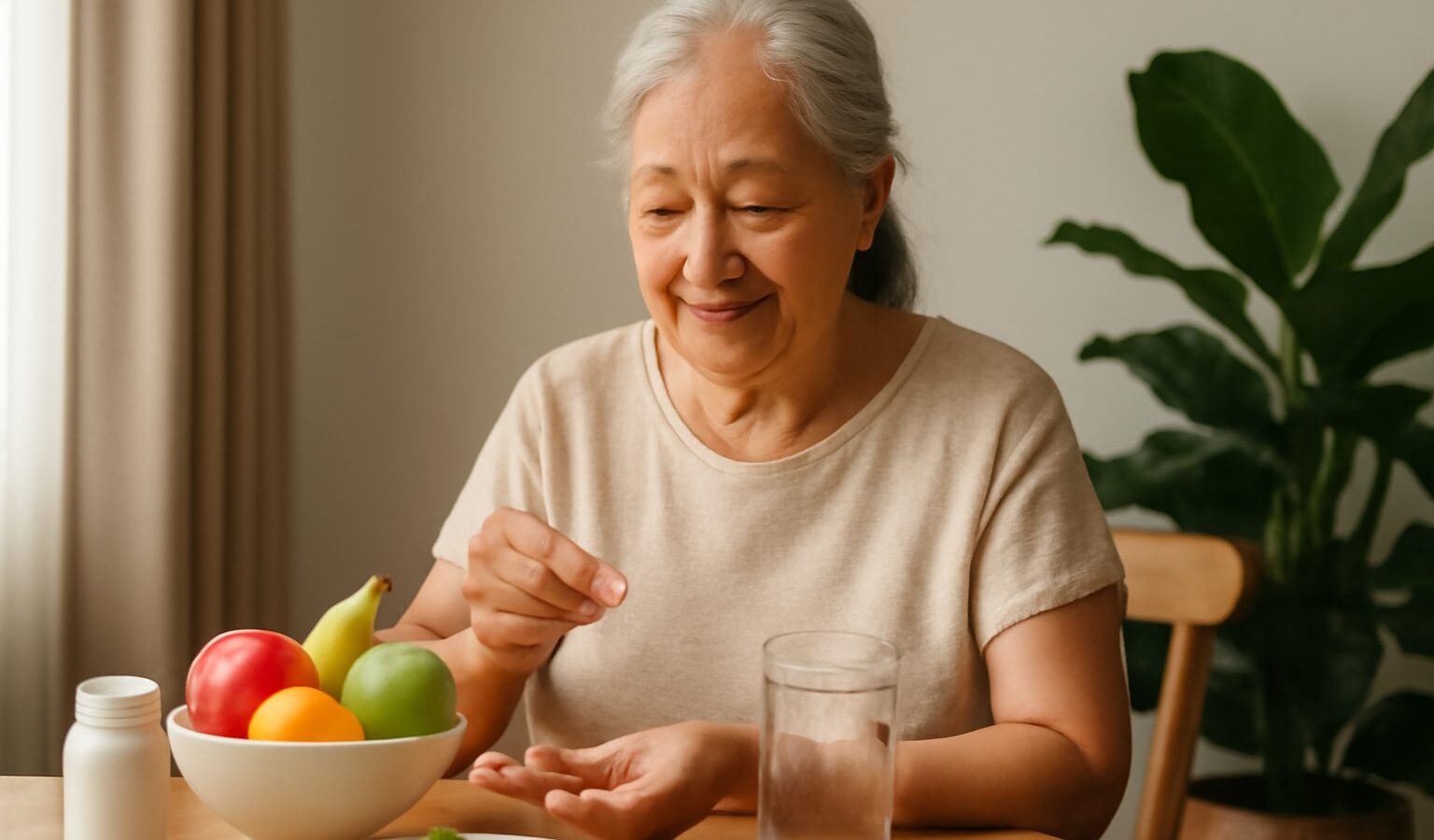
As we grow older, our bodies simply do not bounce back from bugs and infections the way they once did. That is a normal part of ageing, not a personal failing. Thinking about immune health for seniors in Singapore is really about giving your body the everyday support it needs, so that a common cold does not turn into something more serious and a busy week does not leave you flat on your back. This article is general information to help you stay well, and it is not medical advice. For anything specific to your health, please speak to your doctor or polyclinic.
The good news is that many of the things that support your immune system are the same simple, affordable habits that keep you feeling stronger overall. You do not need expensive powders or the latest health fad. You need decent sleep, sensible food, gentle movement, and to keep up with the care that is already available to you here in Singapore.
Why Immunity Changes as We Age
The immune system is your body’s defence force. With age, it tends to respond a little more slowly and less strongly, which is one reason older adults can take longer to recover from infections or may feel the effects more. Long-term conditions such as diabetes, heart disease, or kidney problems can also make it harder for the body to fight illness, and some medicines affect immunity too.
This is why looking after chronic conditions matters so much. Keeping on top of your regular reviews, taking prescribed medicines as directed, and going for your health screenings all quietly support your ability to stay well. If you are managing an ongoing condition, it is worth reading up on managing chronic conditions in older age and discussing your overall picture with your doctor.
None of this means you should feel fragile or fearful. It simply means being a bit more deliberate about the basics, and not brushing off symptoms that would once have passed on their own.
Everyday Habits That Support Your Immune System
Small, steady habits add up. Here are the areas that tend to make the biggest difference.
Eat well, without overthinking it
A varied, balanced plate gives your body the building blocks it needs. Aim for enough protein to protect your muscles, plenty of vegetables and fruit, whole grains, and enough fluids through the day. Older adults sometimes eat less because appetite fades or meals feel like a chore, but under-eating can leave you run down. If you are cooking for one or finding food less appealing, our guide to eating well in your senior years has gentle, practical ideas. For general nutrition guidance you can trust, HealthHub and the Health Promotion Board are good places to look, and a doctor or dietitian can advise on your particular needs.
A quick, honest note on supplements: this article does not recommend any specific pills, powders, or doses. Some people do have genuine deficiencies that benefit from supplementation, but that is a conversation to have with your doctor, who can test and advise, rather than something to self-prescribe.
Move your body
Regular gentle activity supports circulation, mood, and overall resilience. It does not need to be strenuous. A daily walk around the void deck or park, gentle tai chi, or a session at an ActiveSG facility all count. If you are starting something new or have any heart, joint, or balance concerns, check with your doctor first so you can exercise safely.
Protect your sleep
Poor sleep leaves the whole body depleted, and immunity is no exception. Try to keep regular hours, wind down before bed, and cut back on late-day caffeine. If you struggle night after night, do not just accept it as part of getting old, as there are often treatable causes worth discussing with your doctor.
Keep good hygiene and stay connected
Simple habits like regular handwashing, especially before meals, help stop everyday infections spreading through the household. Staying socially connected matters too, as loneliness quietly affects wellbeing and health. Community activities, active ageing centres, and time with family all help you feel supported and steadier.
Vaccinations and Preventive Care
Vaccinations are one of the most effective ways to protect older adults against certain infections. In Singapore, there is a National Adult Immunisation Schedule, and your doctor or polyclinic can tell you which vaccinations are appropriate for your age and health, and when. Rather than list specifics here, the sensible step is to ask a healthcare professional what is recommended for you. Our overview of senior vaccinations for flu, pneumococcal and shingles explains the general idea, and HealthHub carries the current official information.
Going for your recommended health screening for seniors is another quiet form of protection. Catching problems early, or keeping a known condition well controlled, helps your body stay in a stronger position overall.
When to See a Doctor
Staying well also means knowing when everyday care is not enough. See a doctor if you have a fever that will not settle, a cough or breathlessness that is getting worse, an infection that is not healing, or if you simply feel much more unwell than a minor bug should make you feel. Older adults do not always show the classic signs of infection, so unusual tiredness, poor appetite, or new confusion can be important clues that something needs attention.
Some situations need urgent help. Call 995 or go to A&E for chest pain, severe breathlessness, or sudden confusion, weakness, slurred speech, or facial drooping, as these can signal a serious problem such as a stroke or a severe infection. When in doubt, it is always better to get checked.
A Gentle Wrap-Up
Supporting your immune health in older age is not about chasing miracle cures. It is about eating well, moving gently, sleeping properly, staying connected, keeping up with vaccinations and screenings, and looking after any long-term conditions. These are affordable, achievable habits, whatever your budget or living situation. Do what you can, be kind to yourself on the harder days, and lean on your doctor, polyclinic, and HealthHub for guidance that fits you. Staying well is a long game, and small, steady choices are what carry you through.