
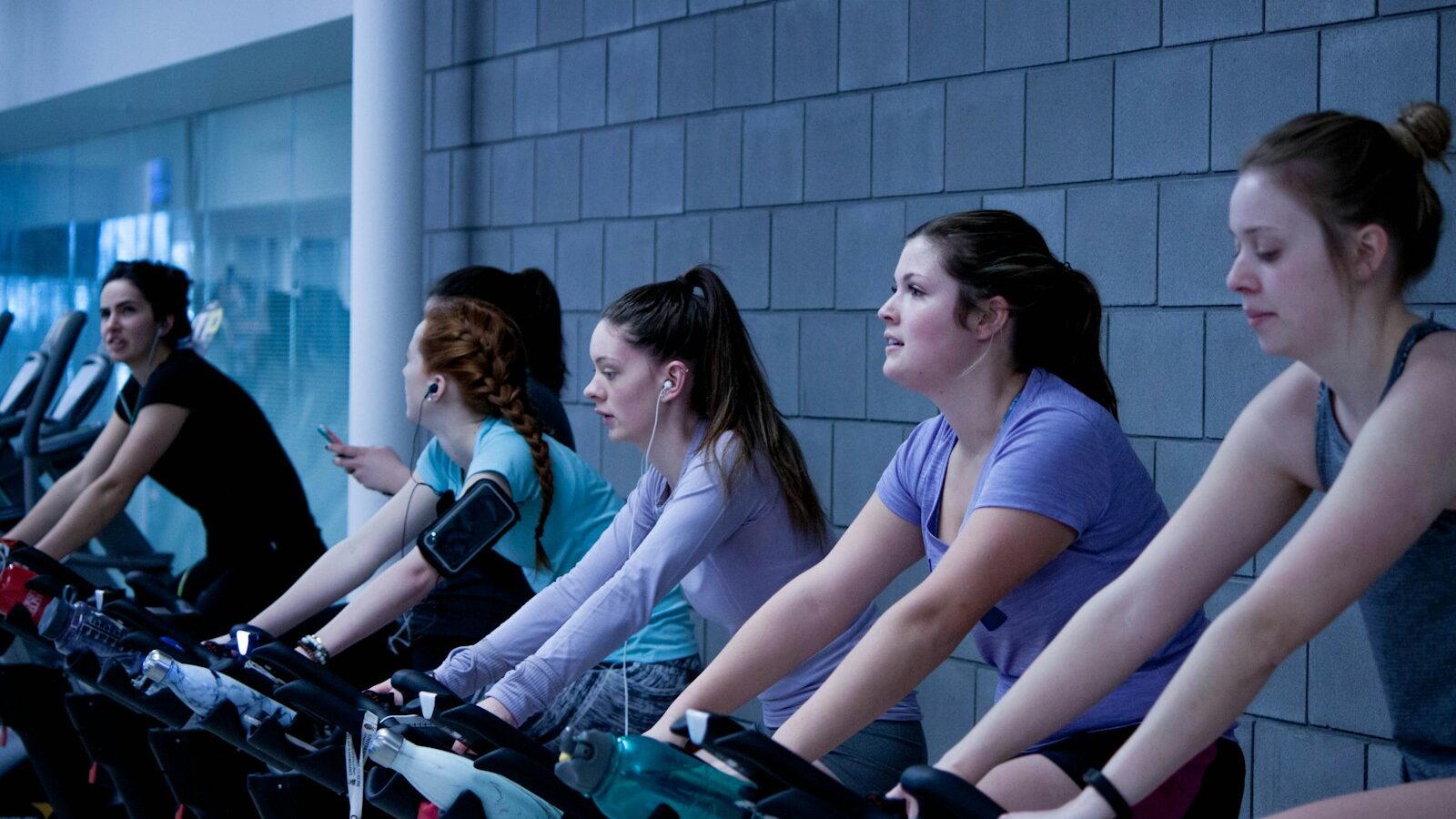
Loud music, dimmed lights, an energetic instructor and a room full of people pedalling hard: the spin class has become one of the most popular group workouts around. But indoor cycling is more than the studio hype suggests. From a quiet stationary bike at an ActiveSG gym to a high-energy class in a condo function room, it offers a sweaty, low-impact way to build cardiovascular fitness. This guide explains how it works, how to set up your bike, and how to start sensibly.
This is general information for healthy adults, not medical advice. Spin classes can be intense, so if you are older, sedentary, pregnant, or living with a heart condition, high blood pressure or an injury, check with a doctor before going all-out, and build up your intensity gradually.

What Indoor Cycling and Spin Classes Involve
At its simplest, indoor cycling means riding a stationary bike that goes nowhere while you go through a workout. What varies enormously is the style, and understanding the spectrum helps you pick what suits you.
Solo riding on a stationary or upright bike lets you set your own pace. It is ideal for steady, controlled sessions, and you will find these bikes in many ActiveSG and condominium gyms. This is a friendly entry point with no pressure to keep up with anyone.
Spin classes are instructor-led group sessions on specialised bikes with a heavy, adjustable flywheel. Set to music, the instructor guides you through changes in resistance and pace, often mixing seated riding, standing climbs and faster surges. The energy of the group and the coaching are a big part of the appeal.
The shared advantage across all styles is that cycling is low impact. Because your feet stay on the pedals, there is far less pounding on your knees, hips and ankles than running, which makes it kinder for many people while still delivering a serious cardiovascular workout.
The Benefits and the Honest Trade-offs
Indoor cycling has earned its popularity, but it helps to see both sides clearly.
- Strong cardiovascular workout. Sustained pedalling raises your heart rate and, over time, builds aerobic fitness and endurance.
- Low impact on joints. The smooth pedalling motion suits people who find running uncomfortable or who are returning from certain injuries.
- Weather-proof in Singapore. An indoor, air-conditioned session sidesteps our heat, humidity and afternoon storms entirely, which is a real practical advantage here.
- Scalable intensity. You control the resistance and effort, so the same bike works for a gentle recovery ride or a lung-busting interval session.
The honest trade-offs matter too. Cycling mainly trains your lower body and cardiovascular system; it does little for your upper body and is not weight-bearing, so it does not build bone density the way walking or running does. It is best seen as one strong pillar of your fitness rather than the whole structure. Pairing it with some strength work and supporting it with sensible eating, such as our guide to eating for muscle gain if that is your aim, rounds things out.
Setting Up Your Bike Correctly
More beginner discomfort comes from a badly adjusted bike than from the workout itself. Getting three settings right prevents knee pain and makes the whole experience better. If you are ever unsure, ask a gym staff member or the class instructor to check your setup before you start.
- Saddle height. Sit on the saddle and place your heel on the pedal at its lowest point. Your leg should be almost straight. When you then pedal with the ball of your foot, you will have a slight, comfortable bend in the knee. Too low is the classic cause of sore knees.
- Saddle position, front to back. With the pedals level, your front knee should sit roughly above the pedal. This keeps your pedalling efficient and easy on the joints.
- Handlebar height. Set the bars so you can reach them without hunching or overstretching. Beginners often prefer them a little higher for comfort.
Take a moment to note your settings once they feel right, so you can quickly dial in the same bike next time. In a class, arrive a few minutes early to get set up without rushing.
Managing Intensity and Riding Safely
The biggest risk in a spin class is your own enthusiasm. The music, the group and the instructor can push you to work harder than your body is ready for, so pace yourself, especially early on.
- Ease into intensity. For your first few classes, use less resistance than the instructor calls for and focus on smooth pedalling. You can always build up as your fitness improves.
- Understand effort. A useful gauge is the talk test: at an easy effort you can chat, while at a hard effort you cannot. Steady rides sit closer to the conversational end, an idea explored in our guide to zone 2 cardio. Any heart-rate numbers on the console are estimates, not medical readings.
- Hydrate well. Even in air-conditioning you will sweat heavily, so bring water and sip throughout. In Singapore’s climate, replacing fluid matters.
- Warm up and cool down. Begin with a few easy minutes and finish by spinning gently and stretching, as covered in warming up and cooling down properly.
- Stop for warning signs. Chest pain or pressure, unusual breathlessness, dizziness or feeling faint mean stop and rest. These are reasons to see a doctor, not to push through.
How does indoor cycling compare with two other common cardio choices? The table offers a quick guide.
| Feature | Indoor cycling | Running | Rowing machine |
|---|---|---|---|
| Impact on joints | Low | High | Low |
| Main muscles worked | Legs | Legs and core | Legs, back, arms |
| Weather-proof indoors | Yes | On a treadmill | Yes |
| Beginner friendliness | High | Moderate | Moderate |
| Weight-bearing benefit | No | Yes | No |
None is best in isolation; the right choice depends on your joints, goals and what you enjoy enough to keep doing.
Making It a Habit You Enjoy
The great strength of indoor cycling is how forgiving and repeatable it is. Because it is low impact and weather-proof, it is easy to fit into a Singapore routine regardless of the storm outside. Whether you prefer the quiet focus of a solo ride or the buzz of a class, consistency beats intensity, and the same principles behind staying consistent with exercise apply here.
Start realistically. If classes feel intimidating, begin with a few solo rides to build confidence and leg fitness first, then try a beginner-friendly class when you feel ready. Set your bike up properly, respect your own limits, and let indoor cycling become a sustainable, sweaty and joint-friendly cornerstone of your week.
Explore more: Zone 2 cardio explained · Warming up and cooling down properly · Eating for muscle gain · Staying consistent with exercise
Frequently Asked Questions
Is spinning good for weight loss? It can help because a sustained ride uses plenty of energy, but weight change depends mainly on your overall eating and how consistently you train. Pair regular rides with some strength work and sensible meals.
Why do my knees hurt after cycling? The usual culprit is a badly set-up bike, especially a saddle that is too low. Check saddle height and position, and ease off resistance. If pain continues, see a doctor or physiotherapist.
What should I wear and bring to a spin class? Bring water and a towel, and wear breathable clothing and comfortable shoes. Many studios have bikes with clip-in pedals, so ask the staff what is provided. Arrive early to set up your bike.
Do I need to be fit to join a beginner spin class? No, you set your own resistance, so you can ride at an easy effort while you build fitness. Tell the instructor you are new and let them help set up your bike. Slow down if you feel dizzy.
How often can I do spin classes in a week? Two or three sessions a week suits many people, with easier or rest days between harder ones. Build up gradually, and listen to your body. If you feel run down, take a rest day.