
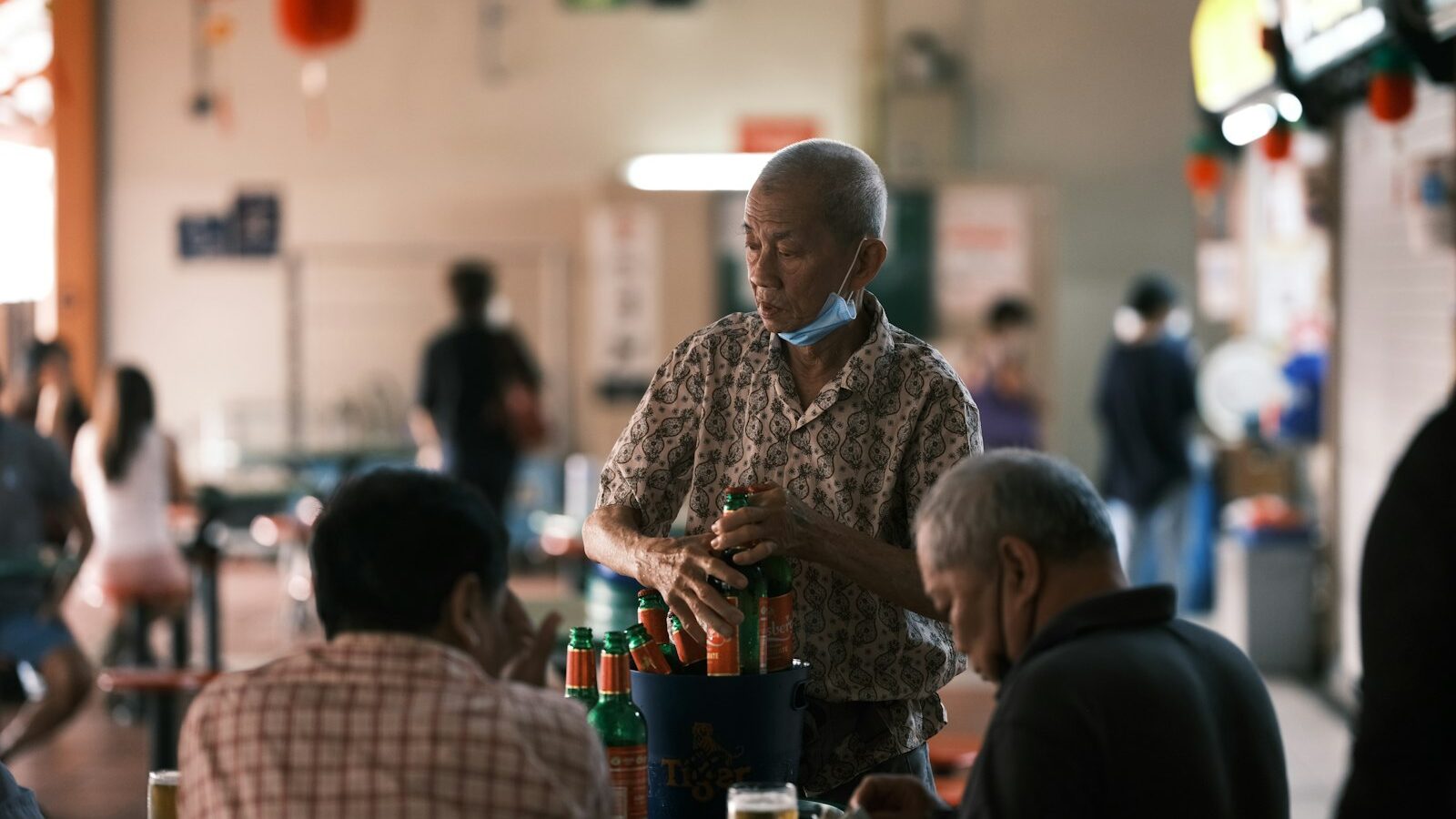
There is something quietly powerful about a grandparent and a child sharing an afternoon, or an older resident teaching a teenager how to cook an old family dish. In a fast-moving city, generations can drift into separate worlds, each busy with its own routines. Intergenerational bonding programmes exist to bridge that gap, bringing older and younger people together in ways that benefit both. For seniors in particular, these connections can be a source of purpose, joy and belonging in later life.
This guide is a warm, practical introduction rather than a directory. Programmes, providers and schedules change, so confirm current offerings with the organisers, your nearest Active Ageing Centre, or the relevant community body before signing up.
What Intergenerational Bonding Programmes Are
At their simplest, these are organised activities that deliberately mix age groups so they can learn from and enjoy one another. Instead of seniors gathering only with peers and young people only with theirs, the two are brought together around a shared activity, project or space.
The forms this takes are wonderfully varied. Some programmes pair older adults with schoolchildren for reading, storytelling or skills sharing. Others bring preschools and eldercare settings together for regular visits. Some are built around a common interest, such as gardening, music, art or heritage, where age genuinely does not matter. What they have in common is intention: the mixing of generations is the point, not an accident.
Why These Connections Matter
For older people, the benefits reach well beyond a pleasant afternoon. Regular, meaningful contact with younger generations can lift mood, reduce the loneliness that often creeps in after retirement or bereavement, and restore a sense of being useful and valued. Passing on skills, language, recipes and stories gives many seniors a real sense of legacy.
The young benefit just as much. Time with older adults can build patience, empathy and confidence, and offers a kind of steady, unhurried attention that busy family life does not always allow. Children gain living links to history and tradition, while teenagers often find an older mentor easier to talk to than a parent. The exchange runs in both directions, which is exactly why it works.
For families, these programmes can also ease the pressure of arranging meaningful activity for an ageing parent, and they open doors to a wider community beyond the household.
Where to Find Them in Singapore
Singapore has a strong community infrastructure that makes intergenerational activity easier to find than many people expect. Good places to begin your search include:
- Active Ageing Centres, which run regular programmes for seniors and often partner with schools and youth groups.
- The Silver Generation Office, whose outreach can point you towards suitable activities nearby.
- Community centres and clubs, which host classes, festivals and interest groups open to mixed ages.
- Schools, preschools and voluntary welfare organisations, many of which run their own intergenerational initiatives.
- Places of worship and grassroots groups, which frequently organise events that welcome all ages.
Because availability differs by neighbourhood, the most reliable approach is to ask directly what is running near you and when. Staff at an Active Ageing Centre are usually happy to help match a senior to something that fits their interests and mobility.
Comparing Ways to Get Involved
There is no single right way to take part. The table below compares common options, so families can find a fit for the senior’s temperament, energy and interests.
| Option | Best suited to | What it offers |
|---|---|---|
| Structured centre programmes | Those who like routine and company | Regular sessions, staff support and a ready-made group |
| Interest-based groups | Seniors with a hobby to share | Connection through gardening, music, art or heritage |
| School or preschool partnerships | Those who enjoy children | Warm, playful contact and a sense of mentoring |
| Volunteering roles | Active seniors wanting purpose | A meaningful contribution and new social ties |
| Family-led activities | The more private or less mobile | Low-pressure bonding within the family circle |
Use the table as a starting point for a conversation, not a rulebook. Many seniors happily mix several of these over time.
Making It Work for Your Family
Getting started is easier when you match the activity to the person. A quiet senior may prefer a small interest group to a large, noisy event, while a sociable one may thrive in a busy centre. Ask what your parent or grandparent actually enjoys, and let their preferences lead rather than your assumptions.
A few practical tips help things go smoothly:
- Start small. A single session or short visit is less daunting than a long commitment.
- Consider mobility and health. Choose venues and timings that suit energy levels and any medical needs.
- Go together at first. Familiar company at the start can ease nerves for both seniors and children.
- Be patient. Bonds take a few meetings to form, so give any programme a fair chance.
If a senior in your care has particular needs, such as early memory changes or limited mobility, mention this to the organisers so they can guide you to something appropriate. For eldercare support more broadly, the Agency for Integrated Care is a helpful national resource.
Building Something That Lasts
The real value of intergenerational bonding is not a single event but a habit of connection that grows over months and years. A weekly visit, a shared garden plot, or a regular storytelling session can become a fixture that everyone looks forward to, quietly enriching the lives of old and young alike.
If nothing suitable exists nearby, consider starting something small yourself, perhaps through a community centre or with neighbours. It need not be elaborate. A simple, regular gathering built around food, stories or a shared task can do a great deal to keep seniors connected and valued, which is what ageing well in community is really about.
Explore More
Connection is one of the great protectors of later life. To support the mind alongside these friendships, read our guide to keeping your brain sharp in older age. If you are caring for an ageing relative, our guide to the caregiver’s own health and avoiding burnout can help, and for travel in retirement see senior travel insurance explained.