
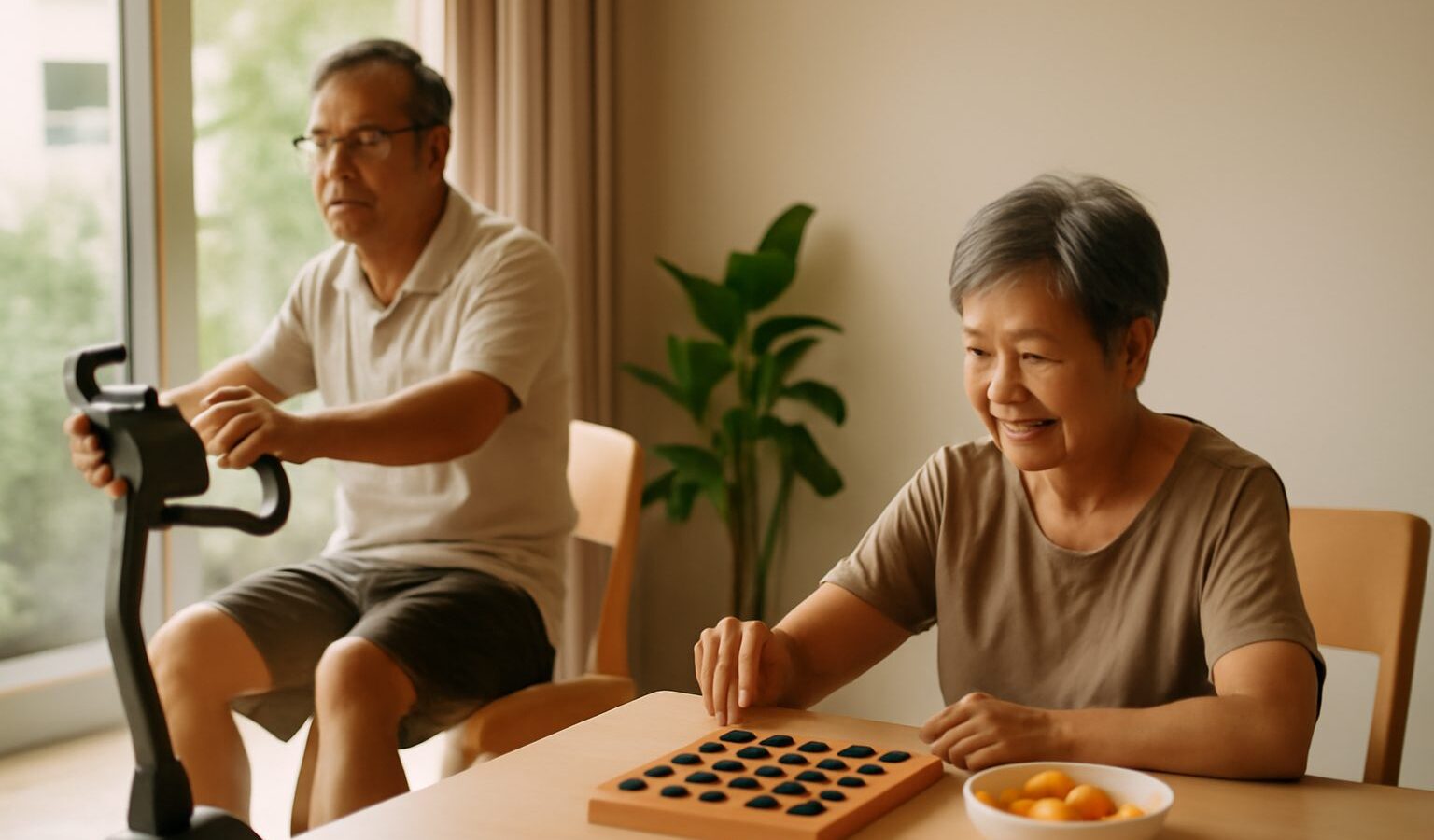
Growing older is far easier, and far happier, when it is not done alone. Across Singapore, active ageing centres have become friendly neighbourhood hubs where seniors can exercise, learn, socialise, and find support close to home. If you have an ageing parent who spends too much time alone, or you are approaching retirement and wondering how to stay engaged, these centres are worth knowing about. This guide offers general information on what active ageing centres are, who they serve, and how to find one, so you can take the next step with confidence.
What Active Ageing Centres Are
Active ageing centres are community-based nodes, set up as part of Singapore’s national effort to help people age well within their own neighbourhoods. Often located in or near HDB estates, they are designed to be easy to reach, so seniors can drop in without long journeys. The idea is simple and powerful: bring purposeful activity, companionship, and light support to where older people already live.
Rather than being a single fixed programme, an active ageing centre acts as a local base for a range of activities and services tailored to older adults. Some seniors visit for exercise and friendship, while others receive more regular support because they live alone or need a helping hand. The centres also serve as a point of contact that helps connect seniors and their families to wider community care when needed.
What They Offer
The heart of an active ageing centre is keeping seniors active in body, mind, and social life. While offerings vary by centre and operator, common activities and services include:
- Physical activity: group exercises, stretching, and movement sessions suited to older bodies, which help with strength, balance, and fall prevention.
- Social connection: gatherings, festive celebrations, interest groups, and shared meals that ease loneliness.
- Learning and enrichment: classes and workshops, from arts and crafts to using a smartphone, that keep the mind engaged.
- Health and wellness activities: talks and programmes that encourage healthy habits and awareness.
- Befriending and check-ins: regular contact for seniors who live alone, so someone notices if help is needed.
- Light support and referrals: a friendly point of contact that can link seniors and families to further community care services.
For many older adults, the greatest benefit is not any single class but the sense of belonging. Having somewhere to go, familiar faces to greet, and a reason to get out of the house can lift mood, sharpen the mind, and support independence for longer.
Who They Are For
Active ageing centres welcome seniors in the community, though the level of involvement differs from person to person. It helps to think of participation in broad tiers rather than a single category.
| Type of senior | How they typically take part | What they gain |
|---|---|---|
| Active and independent | Drop in for activities and social events | Fitness, friendship, and enrichment |
| Living alone | Regular befriending and check-ins | Connection and a watchful eye |
| Needing more support | More regular engagement and referrals | Help staying safe and linked to services |
| Family caregivers | Information and a community touchpoint | Guidance and support for their role |
Because specific eligibility, services, and any fees differ between centres and can change, families should confirm the current details directly with the centre, the Silver Generation Office, or the Agency for Integrated Care (AIC). These bodies can explain what is available in a particular neighbourhood and who each programme is meant for.
The Benefits of Staying Active and Connected
There is good reason so much effort goes into helping seniors stay socially and physically active. Isolation and inactivity in later life are linked to poorer wellbeing, while staying engaged supports both body and mind. Regular gentle exercise helps maintain the strength and balance that guard against falls. Social contact combats loneliness, which can quietly affect mood and health. Mental stimulation from learning and conversation keeps the mind lively. And simply having a routine, a place to be, and people to see gives structure and meaning to the week.
For adult children, encouraging a parent to visit a nearby centre can be one of the kindest things they do. It offers the parent independence and community beyond the family, and it gives the family reassurance that someone is keeping a friendly eye on them. Gentle encouragement works better than pressure: offer to visit together the first time, and let the senior settle in at their own pace.
How to Find One Near You
Finding an active ageing centre is straightforward, and help is readily available. The best starting points are the official bodies that oversee active ageing in Singapore:
- The Silver Generation Office reaches out to seniors in the community and can point them and their families to nearby active ageing programmes and support.
- The Agency for Integrated Care (AIC) coordinates community care and can help locate services, including active ageing centres, in a given area.
You can also ask at your neighbourhood community club, or speak to a medical social worker if a family member is in hospital and could benefit from community support after discharge. When you reach out, it helps to mention the senior’s neighbourhood, their general health and mobility, and what they are hoping for, whether that is exercise, company, or more regular support.
This article is general information for education, not medical, financial, or care advice, and provision varies from place to place. For current programmes, eligibility, and any costs, please defer to the Silver Generation Office, AIC, and the individual centre in your area.
Explore More
Staying active in the community works hand in hand with looking after everyday health. Our guide to foot care for seniors helps keep older adults steady and mobile enough to enjoy these activities. Families supporting a loved one through a hospital stay may also want to read hospital discharge planning for seniors, which explains how community care fits into a safe return home.