
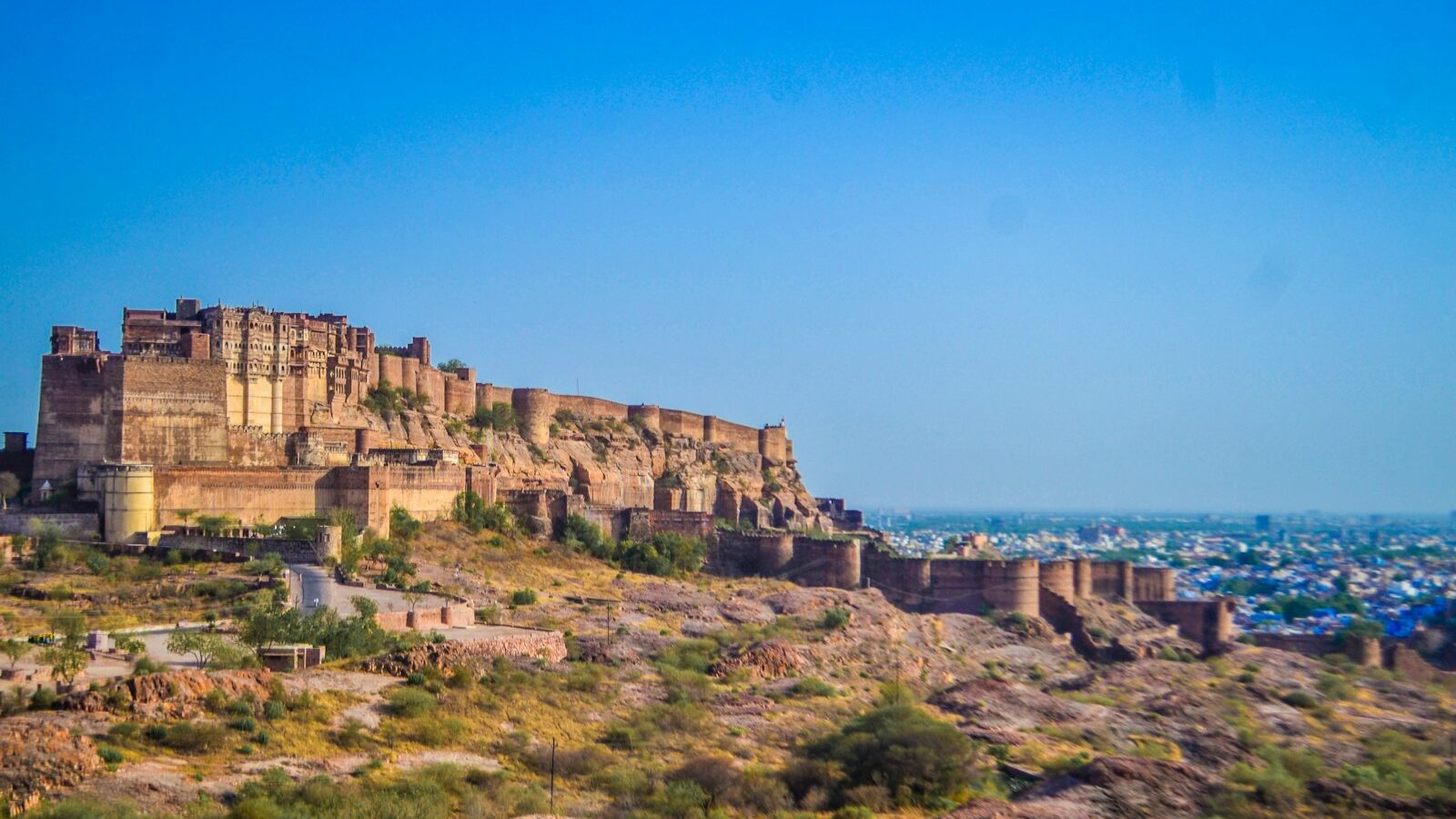
Planning Jodhpur from Singapore puts you within reach of one of Rajasthan’s most photogenic cities, a place where a sea of indigo-washed houses spreads out beneath a colossal hilltop fort. Known as the Blue City, Jodhpur rewards travellers who love history, markets, and the slow theatre of an old Indian town going about its day. For Singaporeans drawn to colour, culture and desert landscapes, it makes a rich addition to a wider Rajasthan or northern India trip.
This guide covers why Jodhpur is worth your time, when to visit, the highlights you should not miss, how to get there and get around, and who the destination suits best.
Why go to Jodhpur
Jodhpur grew as a caravan town on the edge of the Thar Desert, and that trading history still runs through it. The old city huddles below Mehrangarh Fort in a tangle of narrow lanes, blue walls and busy bazaars, while the newer parts spread out towards wide avenues and gardens. The blue that gives the city its nickname was traditionally linked to certain households, and whatever the origin, the effect from above is unforgettable.
What makes Jodhpur special is the contrast. One moment you are haggling over spices and textiles in a crowded market, the next you are standing on fort ramparts looking out over a hushed desert horizon. It feels authentically Rajasthani without being overwhelming, and it pairs naturally with Jaipur, Udaipur and the desert town of Jaisalmer on a longer loop.
For first-time visitors to Rajasthan, Jodhpur offers a manageable size, warm hospitality and some of the best fort views in the country. Prices are generally reasonable, though they vary by season and standard, so treat the city as good value and check current rates when you book.
When to visit
Jodhpur has a desert climate, which means big swings between comfortable and punishing. The cooler months from late autumn to early spring are by far the most pleasant, with warm, dry days and cool evenings that are ideal for exploring on foot. This is peak season for a reason.
The pre-monsoon months build towards intense heat, and midsummer can be genuinely fierce, so sightseeing is best done early and late in the day if you travel then. The monsoon brings some rain and a little relief, along with fewer crowds. Here is a simple seasonal comparison to help you plan.
| Season | Weather | What stands out | Crowds |
|---|---|---|---|
| Cool season | Warm days, cool nights | Best for walking, forts, markets | Busy, peak period |
| Hot season | Very hot and dry | Fewer tourists, lower rates | Quieter |
| Monsoon | Warm, occasional rain | Greener surrounds, softer light | Moderate |
| Shoulder months | Warming or cooling | Fewer crowds either side of peak | Moderate |
If you dislike heat, aim squarely for the cool season. Coming from Singapore’s humidity, the dry desert warmth feels different, but the summer highs are not to be underestimated, so plan around them.
Highlights not to miss
Mehrangarh Fort is the undisputed star, a massive fortress rising straight from a rocky outcrop above the city. Inside, well-kept palaces, courtyards and galleries display armour, paintings and royal artefacts, and the views over the blue rooftops are the reason many people come to Jodhpur in the first place. Give it a proper half day at least.
Below the fort, the old city bazaars around the clock tower are a feast for the senses, piled with spices, textiles, bangles and sweets. This is the place to wander slowly, sample street snacks and watch daily life unfold. Nearby, Jaswant Thada is a serene marble memorial with gardens and a quiet lake, a calm counterpoint to the market bustle.
For a taste of the city’s grander side, the imposing Umaid Bhawan Palace on the hill houses a museum and gives a sense of twentieth-century royal ambition. On the edge of town, rocky parkland and stepwells offer green escapes, while short trips into the surrounding countryside reveal desert villages and traditional crafts. Photographers should climb to a rooftop cafe at golden hour to catch the blue city glowing beneath the fort.
How to get there and get around
There are no guaranteed direct flights, and options change, so the most reliable approach is to fly into a major Indian gateway such as Delhi or Mumbai, then continue to Jodhpur on a domestic flight or by train. Jodhpur is well connected within India by air and rail, and the overnight and daytime trains from other Rajasthan cities are a classic way to arrive. Always check current flight routes, connections and prices close to your travel dates, and confirm visa and entry requirements through official channels, including India’s authorities and Singapore’s MFA travel advisories, before you go. An Indian visa is generally required, so arrange it well ahead.
Around the city, the old town is best explored on foot, though the lanes are narrow and can be crowded. Auto-rickshaws and app-based cabs cover longer hops and trips to outlying sights, and agreeing a fare or using a meter or app avoids confusion. Traffic can be chaotic, so allow extra time and keep your bearings near the fort, which is always a useful landmark.
Who it suits and budget
Jodhpur suits history lovers, photographers, market wanderers and anyone building a Rajasthan itinerary. It works well as a two or three night stop, long enough to see the fort, soak up the bazaars and take a short excursion into the desert fringe. Families can enjoy the fort and rooftop dining, while couples will find atmospheric heritage stays and romantic sunset views.
Budget is flexible. You can travel modestly with simple guesthouses and street food, or spend more on heritage hotels and private guides. As always, avoid locking in fixed figures far in advance and check live prices when you plan. Bring sun protection, stay hydrated in the dry heat, and respect local customs, dressing modestly at religious and heritage sites.
Jodhpur may not be the only city on your Rajasthan route, but its blend of a towering fort, blue lanes and desert edge makes it one of the most memorable, and many Singaporean travellers leave already planning a return through the wider region.