
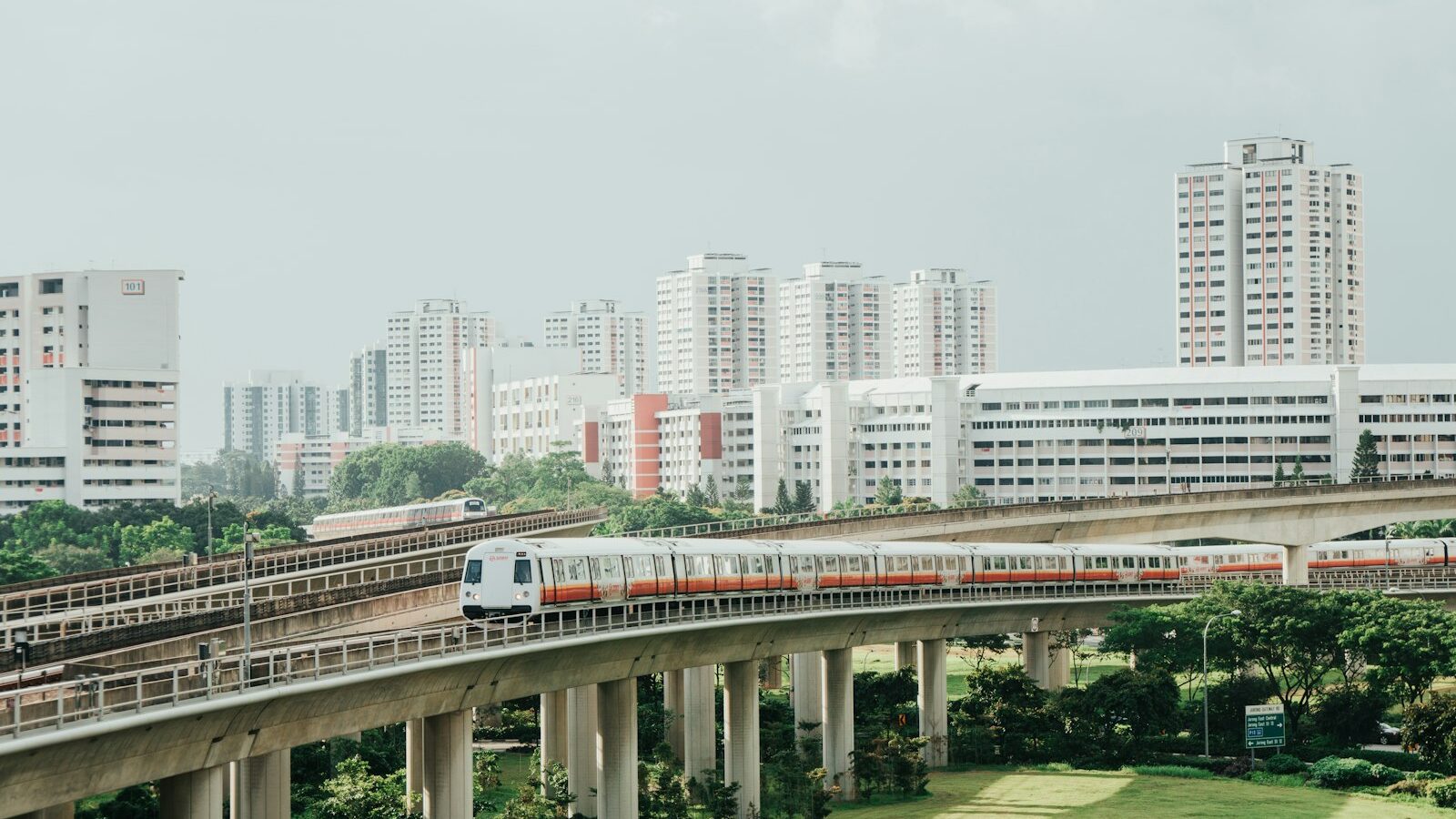
This Jurong East guide Singapore residents and newcomers will find useful sets out what it is like to live in the west’s fast-growing regional heart. Once thought of mainly as an industrial gateway, Jurong East has become one of the busiest commercial and residential hubs outside the city centre. If you want a home base that pairs heartland comforts with big-city amenities, this is a corner of Singapore worth a close look.
Below we cover the character of the town, how well connected it is, the shopping and food scene, the green spaces and schools, and the kind of resident who feels at home here.
What Jurong East Is Like
Jurong East sits in the West Region of Singapore and anchors a much larger cluster of neighbourhoods that includes surrounding residential and industrial areas. The town has two faces that sit comfortably side by side. Around the MRT station there is a dense, bustling commercial centre with malls, offices, a public hospital and a science and leisure precinct. Step a little further out and you reach settled HDB estates with the familiar rhythm of void decks, wet markets and neighbourhood shops.
For years now, Jurong East has been developed as a major regional centre, envisioned as a second commercial focus for the island beyond the traditional downtown. That ambition shows in the scale of the town centre, the office towers and the steady stream of visitors it draws from across the west. For residents, it means a genuinely wide spread of amenities close to home, rather than the quieter offering of a smaller estate.
The housing mix leans towards established HDB blocks, with newer developments and private condominiums adding variety. Because the area serves so much of the west, it tends to feel energetic and well used, particularly at weekends when the malls and gardens fill up.
Here is a quick overview before the details.
| At a glance | Details |
|---|---|
| Region | West Region of Singapore |
| MRT lines | East West Line and North South Line |
| Known for | Regional commercial hub, malls, gardens and lakes |
| Green spaces | Nearby lake gardens and park connectors |
| Who it suits | Families, commuters, people who want city-style amenities |
Getting Around
Transport is one of Jurong East’s biggest draws. The MRT station is an interchange where the East West Line and the North South Line meet, which makes it a key node in the rail network. From here you can head towards the city, the north and much of the island without needing to change trains as often as you might elsewhere. That interchange status is a real everyday advantage for commuters.
The bus interchange sits right beside the station and the malls, giving broad coverage across the west and feeder services into the residential estates. For drivers, the town is well placed near major expressways including the Pan Island Expressway and the Ayer Rajah Expressway, with links towards the city, the airport corridor and the industrial west.
Looking ahead, the west is set to become even better connected as the rail network expands, which many residents see as a long-term plus. For now, the combination of an interchange station, a busy bus hub and expressway access already makes daily travel straightforward whether you commute to the city or work closer to home.
Amenities and Food
Jurong East is best known among shoppers for the sheer density of malls clustered around its town centre. Within a short, sheltered walk you can move between several large shopping centres holding supermarkets, department stores, cinemas, clinics, banks and a huge range of dining. This concentration turns a simple errand run into a one-stop trip and is a genuine convenience on a hot or wet day.
For everyday meals, the town’s hawker centres, food courts and coffee shops serve the full spread of Singapore favourites at heartland prices. Wet markets in the residential estates keep fresh produce close at hand for home cooks, while the malls cater to bigger family outings and casual dining. The mix reflects the multicultural community here, with Chinese, Malay, Indian and other stalls sitting side by side.
Green space is another highlight. Jurong East is close to well-loved lake gardens and waterfront parkland, giving residents somewhere spacious to walk, jog, cycle and relax by the water. Park connectors thread through the wider area, linking homes to these larger green lungs, so weekend recreation does not mean a long trip away.
Schools and Family Life
Families are well served in and around Jurong East. The wider area holds a good number of primary and secondary schools, along with tertiary institutions in the neighbouring parts of the west, so education options span many stages of a child’s life. Preschools, student care and enrichment centres are widely available, which helps working parents manage busy schedules.
Healthcare is a particular strength, with a major public hospital and health campus in the town centre, plus polyclinics and private clinics nearby. Community clubs, sports facilities, swimming complexes and the regional library round out the amenities, giving residents plenty to do beyond work and school.
Who Jurong East Suits
Jurong East suits people who want the convenience of a regional centre without living in the middle of the traditional downtown. Commuters value the interchange station and the quick reach across the island. Families appreciate the schools, the hospital, the childcare options and the gardens, while shoppers and diners enjoy having so much choice within a few minutes’ walk.
It is also a sensible base for anyone whose work sits in the west, whether in the business parks, the industrial estates or the growing commercial precinct itself. The trade-off is that the town centre can feel busy, especially at weekends, so those set on a quiet backwater may prefer a smaller estate further out.
For most residents, though, the balance is very appealing. Jurong East offers heartland roots, strong transport links, abundant amenities and easy access to some of the island’s nicer waterfront parks, all within one growing western hub.
Explore more
Finding a Home in Singapore
Renting in Singapore Guide
Singapore Public Transport Guide
Condo vs HDB Living