
Planning Kamakura from Singapore almost always means planning a Tokyo trip first, because this seaside temple town sits just south of the capital and makes one of Japan’s best day trips. Once the seat of a medieval shogunate, Kamakura keeps a great bronze Buddha, wooded hillside temples, a lively snack street and a nostalgic little coastal railway, all within easy reach of the beach. For Singaporeans it is an easy, rewarding break from the city that needs no extra flight. Here is how to reach it and what to plan for.
Getting to Kamakura From Singapore
There are no direct flights to Kamakura, so you fly to Tokyo and continue by train. Changi has frequent long-haul services to both Narita and Haneda, so compare fares, and note that Haneda sits closer to the city and the southbound lines you will use.
From central Tokyo, ordinary JR trains run down to Kamakura in around one hour, which is why so many people visit as a day trip. That said, staying a night lets you enjoy the temples in the quiet early morning before the crowds arrive. If you plan several rail journeys around the region, weigh a pass against buying single tickets.
Because it is so close to the capital, Kamakura combines easily with other Japan legs; travellers often pair it with mountain or northern destinations such as Takayama from Singapore, Sendai from Singapore or Hakodate from Singapore.
On entry, check the current rules for your passport rather than assuming, since requirements and permitted stays change and differ by nationality. Confirm through Japan’s official channels, and ICA for Singapore re-entry, before you book.
When to Go and How Long to Stay
Kamakura has four clear seasons, a real contrast to Singapore’s constant warmth. Spring brings cherry blossom, early summer is famous for hydrangeas on the temple slopes, autumn turns the maples red, and winter is cool, clear and quiet. The seaside setting keeps extremes gentler than inland Japan.
A single full day covers the headline sights, but two days let you slow down, add a coastal stretch and catch the temples at their calmest. Even on a warm day the sea breeze can turn cool, so bring a light layer, and pack proper warmth if you visit in the colder months.
| Season | Months | What to expect |
|---|---|---|
| Spring | Mar to May | Cherry blossom, mild, busy at weekends |
| Early summer | Jun | Hydrangea season, damp, atmospheric temples |
| Autumn | Sep to Nov | Cool, red maples, excellent for walking |
| Winter | Dec to Feb | Cold, clear, quiet and uncrowded |
Getting Around
Much of Kamakura is walkable, and the paths between the central shrine, the snack street and the nearer temples make for a pleasant stroll. Comfortable shoes matter, as some temples sit up wooded slopes with steps.
The charming Enoden line, a small electric railway, hugs the coast between Kamakura and neighbouring towns and is a sight in itself, threading past houses and giving sea glimpses along the way. Use it to reach the Great Buddha area and the beaches, and to continue toward the island of Enoshima. Buses fill in the rest, and Japan’s punctual timetables make planning easy.
What to See and Do
The signature sight is the Great Buddha at Kotoku-in, a huge weathered bronze figure that has sat serenely in the open air for centuries after its hall washed away. Standing before it is the classic Kamakura moment. A short walk away, the hillside temple of Hase-dera is loved for its gardens, its views over the bay and its seasonal blooms.
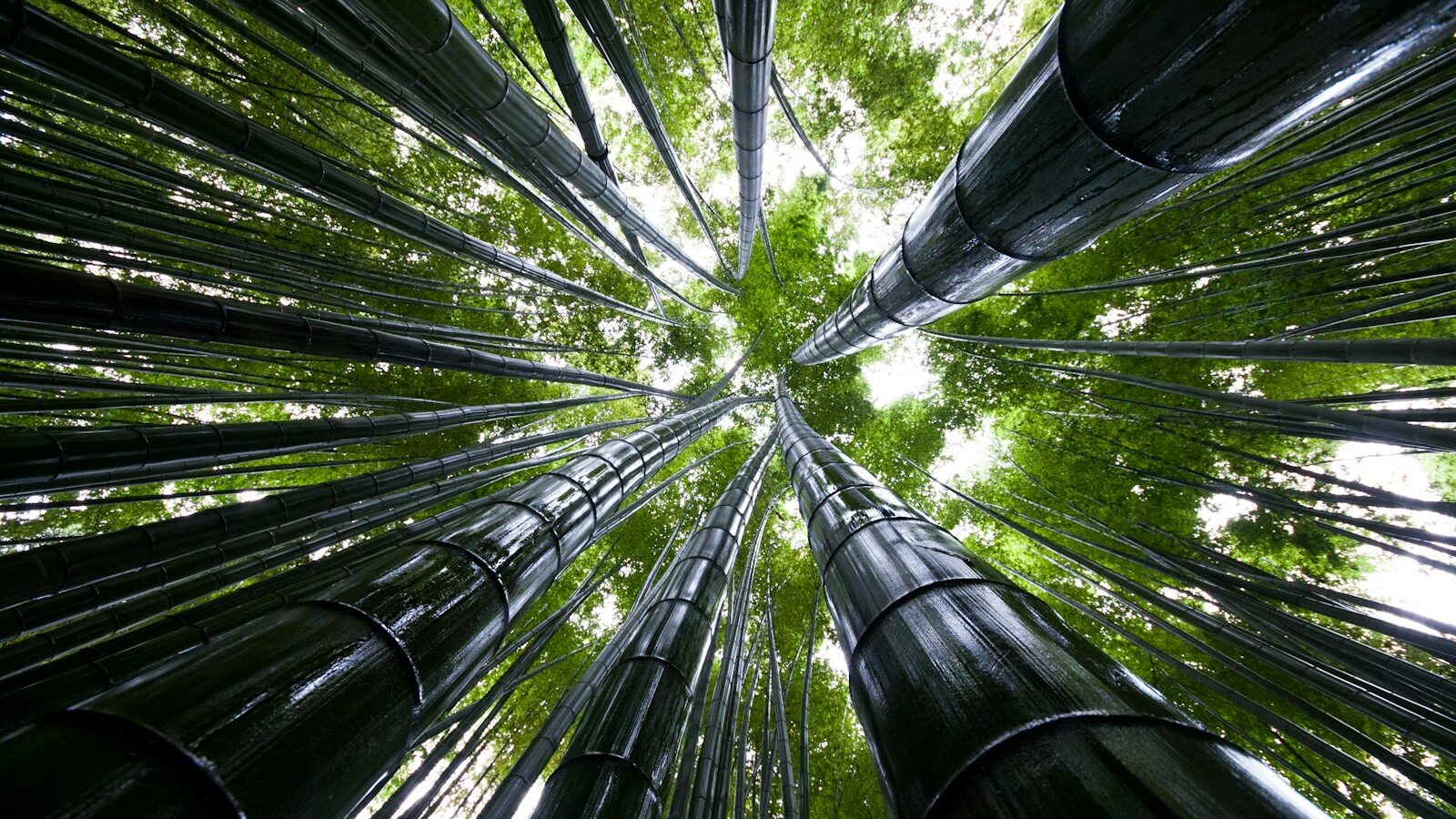
In the centre, the grand Tsurugaoka Hachimangu shrine anchors the town at the head of a long approach, and the parallel Komachi-dori street buzzes with snack stalls, sweets and souvenir shops. Quieter temples reward those who wander further, including a serene bamboo grove where you can take matcha among the stalks. Add the beach and the Enoden ride and you have a full, varied day.
What and Where to Eat
Kamakura is a grazing town, and Komachi-dori is the obvious place to start, lined with stalls selling everything from savoury rice crackers to soft-serve, croquettes and local sweets. Wandering with a snack in hand is part of the experience.
For sit-down meals, seek out shirasu, the tiny local whitebait served raw or cooked over rice, a regional speciality by the coast. You will also find good soba, seasonal Japanese set meals and plenty of cafes with garden views. Being near the sea, seafood is reliably fresh, and the coastal restaurants toward Enoshima are pleasant for a longer lunch.
Where to Base Yourself
Many people never base themselves here at all and simply visit from Tokyo, which is entirely reasonable. If you do stay, lodging near Kamakura station keeps you close to the shrine, the snack street and the trains, while the coastal stretch toward Hase and the beach offers a calmer, more scenic base.
Rooms are limited compared with Tokyo, so book ahead for blossom and hydrangea season and for autumn weekends. Otherwise, treating Kamakura as an easy hop from a Tokyo base works very well.
Costs, Money and Practical Tips
Japan is not cheap, and a popular day-trip town can feel pricey at peak times, though snacks, trains and temple entries are individually modest. Any prices you read online are only a guide, since rates and fares change.
A few practical notes:
- Go early or stay over to beat the day-trip crowds, especially in blossom, hydrangea and autumn seasons and on weekends.
- Carry some cash alongside your card, as smaller shops and temple counters may prefer it.
- Wear comfortable shoes for temple steps and slopes, and bring a layer for the sea breeze.
- Be quiet and respectful at shrines and temples, following posted etiquette and local cues.
- Buy suitable travel insurance and check MOH for current health advice before you fly.
Kamakura is proof that you do not need a second flight to feel far from the city. Build it into a Tokyo trip from Changi, pick a season that suits your pace, and give the temples and the coast an unhurried day.
Explore more: Takayama from Singapore, Sendai from Singapore and Hakodate from Singapore.