
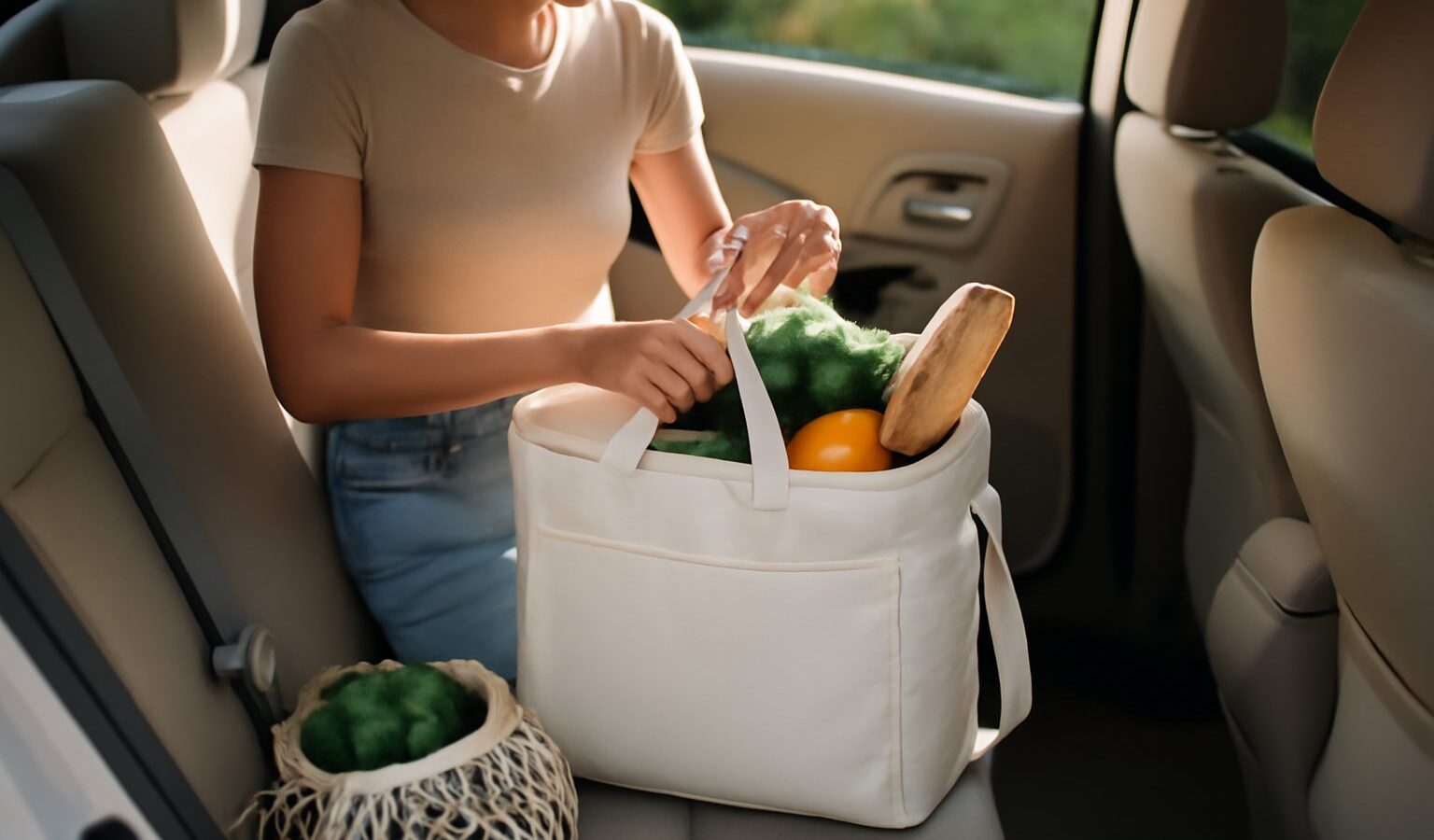
In Singapore, the drive home from the supermarket is short for most people, but the car itself can heat up fast. Groceries left on a back seat in the afternoon sun, or in a boot while you run one more errand, can warm up surprisingly quickly. This guide covers how to keep groceries cool in car journeys, with a focus on frozen food, meal prep ingredients and big family shopping runs.
It is general food handling advice for everyday shopping. For specific food safety questions, follow the storage instructions on the packaging and guidance from the Singapore Food Agency (SFA).

Why the Car Is the Weak Link in the Cold Chain
Chilled and frozen food is kept cold from the supplier to the supermarket. The “cold chain” breaks when the food leaves the store. In our climate, three things work against you:
- Hot cabins. A car parked in the sun heats up well above outdoor temperature, and the boot can be hotter still because it has less airflow.
- Waiting time. Queues at the checkout, loading the car, and traffic all add minutes.
- Detours. Stopping for a meal, picking up children or collecting a parcel on the way home can leave groceries in a parked car for longer than planned.
Perishable foods such as raw meat, seafood, dairy and cooked dishes are the main concern. Frozen items that partly thaw also lose texture, and ice cream is usually the first casualty.
Plan the Trip Before You Leave Home
A little planning does more than any gadget:
- Shop for cold items last. Pick up dry goods, toiletries and produce first, then visit the chiller and freezer aisles just before checkout.
- Make the supermarket the last stop. Run other errands first so groceries go straight home.
- Pre-cool the car if you can. Running the aircon for a few minutes before loading helps, especially after the car has been parked in the open.
- Park smart. Choose a sheltered or basement carpark lot when available, and if you are only parking in an open lot, a windscreen sunshade helps keep the cabin cooler.
- Bring the cooling kit. Keep insulated bags and ice packs ready by the door or, for bags only, in the car.
Cooling Options Compared
| Option | Best for | How well it keeps food cold | Points to note |
|---|---|---|---|
| Plain plastic or reusable tote | Dry goods, produce, short trips | Little insulation | Fine for non-perishables only |
| Insulated cooler bag | Weekly chilled and frozen items | Good for a typical drive home | Works best packed full with ice packs |
| Hard cooler box with ice packs | Large family runs, bulk meat, longer drives | Better and longer than soft bags | Bulky, takes boot space |
| Plug-in car cooler or fridge | Frequent long trips, road trips | Can hold temperature while engine runs | Check power draw and car socket rating |
| Supermarket freezer bag or ice offered at counter | Seafood and frozen items | Helpful extra protection | Availability varies by store |
For most households, a couple of good insulated bags plus reusable ice packs cover everyday needs. A hard cooler box earns its place if you buy in bulk, shop at wholesale outlets or drive further for specialty groceries.
How to Pack Groceries for the Drive
The way you pack matters as much as the bag itself:
- Group cold items together. Frozen with frozen, chilled with chilled. Cold items keep each other cold.
- Frozen at the bottom, ice packs on top. Cold air sinks, so placing ice packs above chilled items helps. Frozen goods at the bottom act like extra ice packs.
- Fill the space. A half-empty cooler warms faster. Fill gaps with more cold items or a folded towel.
- Separate raw meat and seafood. Bag raw items separately to stop drips onto ready-to-eat foods.
- Keep heavy items low. Tins and bottles can crush delicate items if piled on top.
- Close the bag fully. Every zip left open lets warm air in.
Where to Put Groceries in the Car
Location inside the car matters in our heat:
- Cabin over boot for short trips. With the aircon on, the cabin is usually cooler than the boot. If space allows, put the cooler bag on the floor behind the front seats, out of direct sunlight.
- Keep bags out of the sun. Avoid the rear parcel shelf or seats in direct sunlight through the windows.
- Secure heavy coolers. A loaded cooler box should not slide around. Wedge it in the boot or use a strap so it does not become a hazard when you brake.
- Do not leave food in a parked car. If an unplanned stop comes up, consider whether it can wait until groceries are home.
Tips for Frozen Food and Meal Prep Shoppers
If you batch cook for the week, you probably buy larger quantities of meat, seafood and vegetables at once:
- Bring an extra cooler. Split items so each bag is full and cold.
- Freeze ice packs flat. Flat packs cover more surface area and stack well.
- Use frozen water bottles. They double as ice packs and drinking water once thawed.
- Unpack cold items first at home. Get the freezer and fridge items stored before tackling dry goods.
- Label and date immediately. If you portion meat for the freezer, do it promptly rather than leaving it in the sink.
If you shop at specialty or Chinese grocery stores further from home, our guides on where to buy Chinese groceries and ingredients and the best apps for meal planning and groceries can help you plan trips more efficiently.
Family Shopping Runs With Children
Big shops with young children in tow add complications. A few practical habits help:
- Load children first, then groceries, so no one is waiting in a hot carpark while you pack.
- Keep the cooler bag out of reach of small hands if it contains raw meat.
- Never leave children, or pets, in a parked car, even for a quick moment. Cabin temperatures rise quickly in our climate.
- Pack a snack bag separately, so you are not opening the cooler during the drive.
Simple Food Safety Reminders
This is general guidance, not a substitute for official advice. As a rule of thumb:
- Get perishable food into the fridge or freezer as soon as you reach home.
- If chilled or frozen food has been left warm for a long time, follow the “when in doubt, throw it out” approach rather than risking it.
- Check packaging for “keep refrigerated” or “keep frozen” instructions and follow them.
- For current food safety guidance, refer to the Singapore Food Agency.
Explore more: What to Keep in Your Car Glovebox in Singapore.
Frequently Asked Questions
How long can groceries safely sit in a parked car in Singapore? There is no safe exact time to quote, because a sun-heated cabin or boot warms food fast. Avoid leaving perishables in a parked car at all, and put chilled and frozen items into the fridge or freezer as soon as you get home. For official guidance, check the Singapore Food Agency.
Is a cooler bag or a hard cooler box better for a big family shop? A good insulated bag with ice packs handles most weekly shops. A hard cooler box earns its place for bulk meat, wholesale runs or longer drives, though it is bulky. Either works best when packed full and closed fully.
Should I put cold groceries in the boot or the cabin? For short trips with the aircon on, the cabin is usually cooler than the boot. Put the cooler bag on the floor behind the front seats, out of direct sunlight, and secure heavy coolers so they do not slide when you brake.
What should I do if frozen food has started to thaw on the way home? Check the packaging instructions and follow the rule of thumb, when in doubt, throw it out, for anything that stayed warm a long time. Ice cream is usually the first casualty. For official food safety guidance, refer to the Singapore Food Agency.
Can I make my own ice packs for a grocery trip? Yes. Frozen water bottles double as ice packs and give you drinking water once thawed, and flat-frozen packs cover more surface area and stack well. Place ice packs above chilled items, with frozen goods at the bottom.
Further reading: What to Know Before Buying a Car Fridge or Cooler