
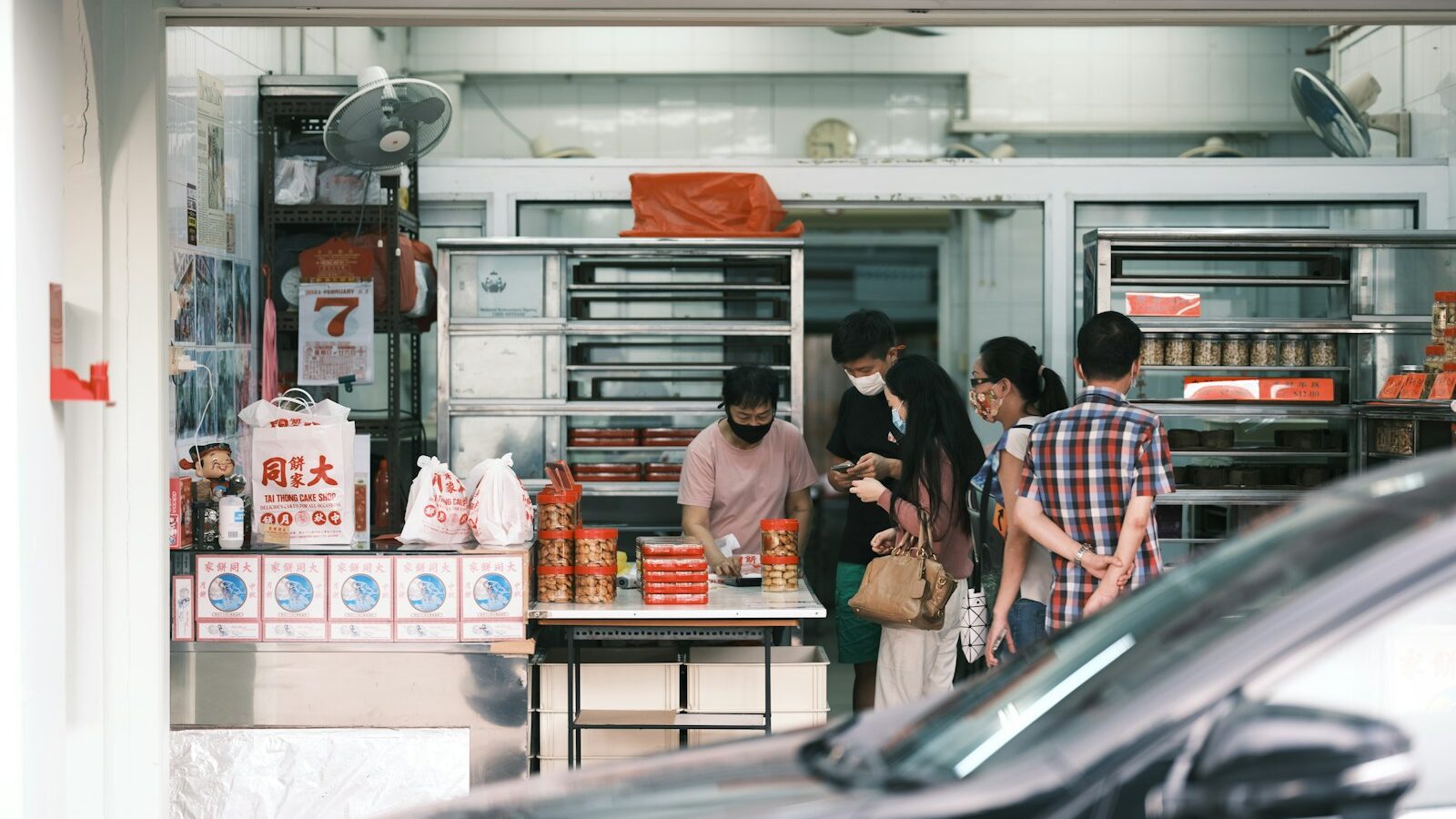
Moving to a new country and suddenly you cannot find the soy sauce you grew up with, or the right kind of noodles for a proper bowl of breakfast. The good news: finding a Chinese supermarket in Singapore, or simply stocking up on everyday chinese ingredients, is easier than you might expect. This is a city where Chinese food culture runs deep, so familiar brands, fresh produce and regional specialities are rarely far away. Here is a practical guide to where to buy what you need, whether you are after asian groceries for a quick dinner or hard-to-find items from home.
Start With the Big Supermarket Chains
For most day-to-day cooking, the large mainstream chains will cover the basics. Singapore’s well-known supermarket groups run everything from compact neighbourhood outlets to sprawling hypermarkets, and almost all of them carry a solid range of Chinese staples: light and dark soy sauce, oyster sauce, sesame oil, dried mushrooms, rice, and several kinds of noodles.
You will usually find these in a dedicated Asian or “local” aisle, and larger stores often have a separate section for imported goods where mainland Chinese food brands sit alongside Japanese, Korean and Southeast Asian products. A few things worth knowing as a newcomer:
- Hypermarkets carry more. The bigger the store, the deeper the range. Flagship outlets in large malls tend to stock regional sauces, frozen dumplings and specialty condiments that smaller branches skip.
- Premium supermarkets stock imports. Higher-end grocery halls often carry a wider selection of imported brands, though usually at a higher price.
- House brands save money. Most chains sell their own-label rice, oil and sauces, which are a reliable, cheaper alternative to name brands.
If you are just setting up a kitchen, one trip to a large supermarket will get you most of the way there.
Dedicated Chinese and Asian Grocers
When the mainstream aisle does not have what you want, the next step is a dedicated Asian grocer or Chinese provision shop. These range from modern chains focused on East Asian products to small, family-run mini-marts tucked into neighbourhood shophouses and heartland malls.
This is where the range really opens up. Dedicated grocers are the reliable place to find things like:
- A wider wall of dried goods: mushrooms, wood ear fungus, lily bulbs, dried scallops and various beans.
- Proper Chinese cooking wines, black vinegars and a much bigger selection of chilli and bean pastes.
- Frozen items such as handmade dumplings, buns, fish balls and hot pot ingredients.
- Snacks, teas and sweets in packaging you will recognise from home.
Areas with a strong Chinese heritage, most obviously Chinatown, are natural hunting grounds for these shops, and you will also find clusters of them near neighbourhoods popular with mainland Chinese residents and students. It is worth exploring on foot: the smaller the shop, the more likely the owner can point you to a specific brand or an unusual ingredient.
Wet Markets for Fresh Produce
For fresh vegetables, meat, seafood and tofu, nothing beats a traditional wet market. Nearly every housing estate has one, and they are one of the best value ways to shop for fresh chinese ingredients in Singapore.
Wet markets are where you will find leafy greens like kai lan, choy sum and various Chinese cabbages, fresh herbs, live and freshly cut seafood, and a proper selection of tofu and soy products. Prices are often lower than the supermarket, and stallholders are generous with cooking tips if you ask. A few pointers for first-timers:
- Go early. The best produce and the busiest, freshest stalls are in the morning; many wind down by early afternoon.
- Bring cash and a bag. Most stalls are cash only and do not provide many plastic bags.
- Build a relationship. Regulars often get the best cuts, a little extra, or a better price.
If you have never shopped a wet market before, treat your first visit as a walk-around. Note which stalls look busy, see what is in season, and come back the next morning ready to buy.
Specialty and Regional Chinese Ingredients
China is vast, and its regional cuisines call for very different pantries. If you are cooking Sichuan, Northeastern, Hunan or other regional dishes, the generic Asian aisle may not carry the specific items you need, such as genuine Sichuan peppercorns and doubanjiang, particular dried chillies, specific wheat flours for northern-style noodles and dumplings, or preserved vegetables.
For these, look to specialty stores that focus on mainland Chinese food, often run by and for the mainland Chinese community. They tend to stock brands imported directly from specific provinces, which makes a real difference to authenticity. Because these shops come and go, the most reliable approach is to ask around in local mainland Chinese community groups online, where people share up-to-date recommendations for where to buy regional items near where you live.
Online Grocery Delivery
If you would rather shop from your sofa, online grocery delivery is well established here. The major supermarket chains all run their own websites and apps, and there are dedicated online grocers and marketplace platforms that specialise in Asian and imported products.
Online shopping is especially handy for:
- Bulky staples like rice, oil and cases of drinks that you would rather not carry home.
- Comparing brands side by side, since search makes it easy to check whether a specific mainland Chinese product is stocked.
- Regional specialities that a nearby physical shop may not carry, delivered island-wide.
Delivery fees and minimum orders vary, so it often makes sense to consolidate a larger order rather than buying a few items at a time.
Finding Brands From Home
Half the comfort of cooking is using the brands you trust. To track down a specific product:
- Read the packaging, not just the English name. The Chinese characters and the province of origin help you confirm you have the right item.
- Check imported-goods sections first. Larger supermarkets group imported brands together, separate from the local-brand aisle.
- Use online search. Searching a brand name on grocery apps quickly tells you who stocks it.
- Ask the community. Fellow newcomers almost always know which shop carries a hard-to-find favourite.
Halal and Non-Halal, and a Word on Budget
Singapore is multicultural, and this shows up in how food is sold. Many supermarkets keep a clearly marked non-halal section, sometimes a separate chilled room, for pork and pork products, while the rest of the store is halal-friendly. If you cook a lot of pork, look for that section or shop at Chinese provision shops and wet market stalls that specialise in it. Products certified halal carry a halal logo on the packaging, which is useful to know either way depending on your household.
Quick budget tips
- Wet markets and house brands are your cheapest routes for fresh produce and everyday staples.
- Buy dried goods in larger packs if you cook often; they keep well and cost less per portion.
- Compare imported versus local brands. A local soy sauce or vinegar is often nearly as good for a fraction of the price of an imported one.
- Watch for bulk and app-only deals on rice and oil, which are worth stocking up on.
Between the big chains, dedicated grocers, wet markets, specialty shops and online delivery, you have every option covered. Give yourself a few weekends to explore, and you will soon have a routine that keeps your kitchen stocked with everything from a basic asian groceries run to the exact regional ingredient that tastes like home.
Explore more: A newcomer’s guide to Singapore’s wet markets and The Chinese community in Singapore