
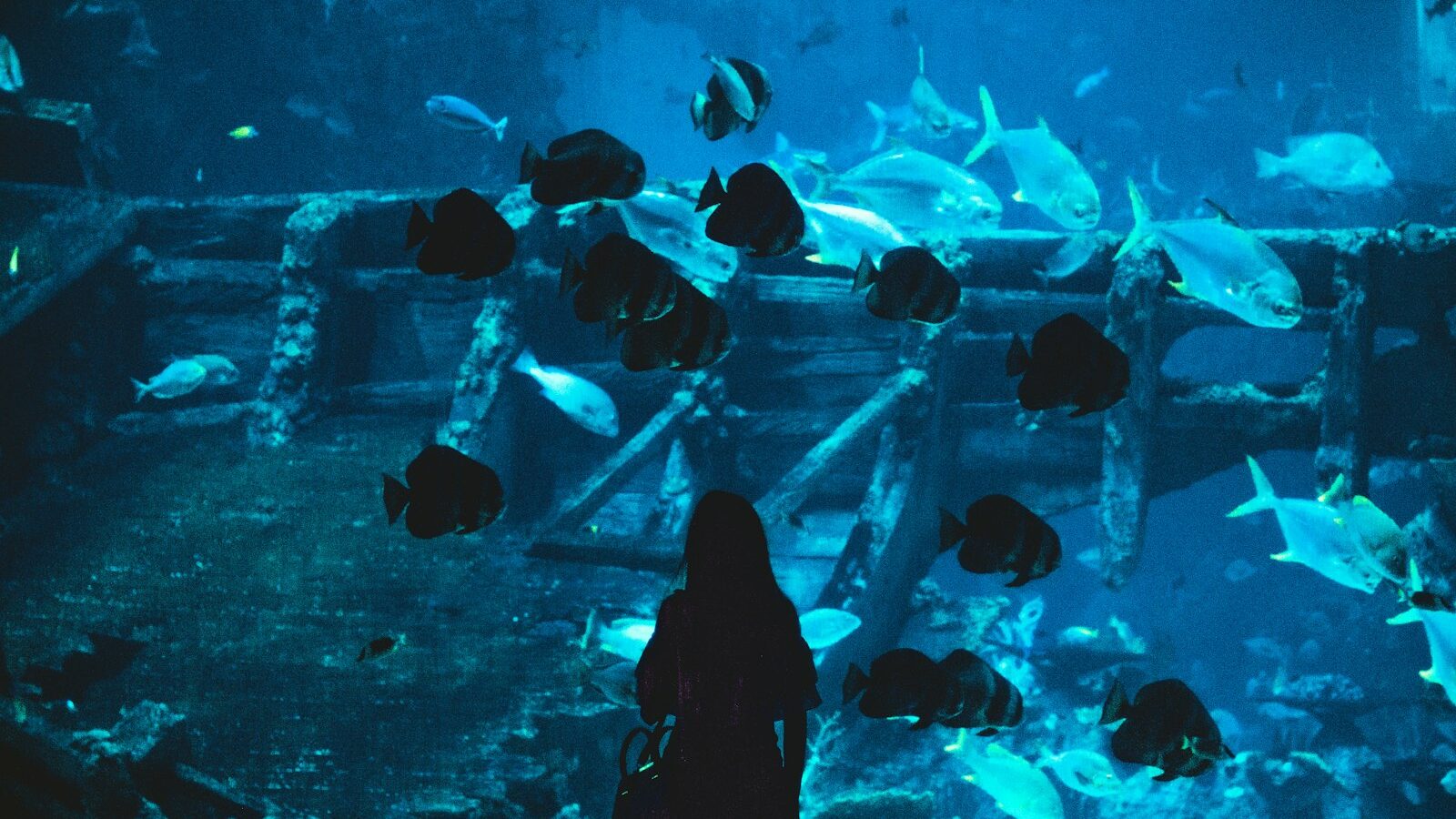
A home aquarium is one of the most flat friendly hobbies going. It is quiet, it needs no walking, and a well planted tank is a calming piece of living decor in an HDB living room. Starting an aquarium in Singapore is also very accessible, thanks to a lively local fish shop scene and a warm climate that suits many tropical species. The catch is that fishkeeping is not “fill a bowl and drop a fish in.” Fish are living animals in a closed water world that you manage entirely, and the difference between a thriving tank and a sad one comes down to a few fundamentals. Get those right and this becomes a genuinely rewarding hobby.
Starting With the Right Tank and Setup
Bigger is easier for a beginner. A larger volume of water is far more stable, diluting waste and slowing temperature swings, so a common piece of advice is to start with a reasonably sized tank rather than a tiny bowl. Small containers crash quickly and are harder, not easier, to keep healthy.
Beyond the tank itself, a basic freshwater setup needs a filter, a heater in an air conditioned home, a light, and a substrate. Here is why each part earns its place.
| Setup element | Why it matters |
|---|---|
| Adequate tank size | More water is more stable, diluting waste and buffering temperature swings |
| Filter | Houses beneficial bacteria and removes waste, the heart of a healthy tank |
| Heater | Keeps a steady tropical temperature, important if you run aircon |
| Light | Supports live plants and shows a regular day and night rhythm |
| Water test kit | Lets you actually see ammonia, nitrite and nitrate instead of guessing |
Set everything up and get it running before you think about fish. That running in period is where the real work happens.
Understanding the Nitrogen Cycle
The single most important idea in fishkeeping is the nitrogen cycle, and skipping it is the most common beginner mistake. Fish produce ammonia through waste and respiration, and ammonia is toxic. In an established tank, colonies of beneficial bacteria living mainly in the filter convert that ammonia into nitrite, which is also toxic, and then into nitrate, which is far less harmful and removed by water changes.
The problem is that a brand new tank has none of those bacteria yet. Add a full load of fish on day one and ammonia spikes with nothing to process it, which is stressful and often fatal. This is why the tank has to mature first.
Cycling the Tank Before Adding Fish
Cycling is simply growing that bacteria colony before your fish depend on it. In general terms, you run the filter and introduce a source of ammonia so the bacteria have something to feed on, then wait while the colony builds. Using a test kit, you watch ammonia rise and fall, then nitrite rise and fall, until the tank can convert a dose of ammonia all the way to nitrate quickly. Only then is it ready for a light stocking of fish.
Cycling takes patience, often several weeks, and rushing it is the usual reason early fish die. A few habits that help:
- Add fish gradually, a few at a time, so the bacteria can scale up to the extra waste.
- Do not overstock. A crowded tank produces more waste than the system and your maintenance can handle, and it stresses the fish.
- Keep testing in the early weeks so you catch any ammonia or nitrite before it harms anyone.
Choosing Beginner Friendly Freshwater Fish
Once the tank is cycled, start with hardy, forgiving freshwater species rather than delicate or aggressive ones. Many popular community fish, such as small schooling species and easygoing bottom dwellers, tolerate beginner mistakes better and get along in a shared tank. Ask the shop which of their current stock is genuinely beginner suitable, whether species will fit your tank size when fully grown, and which ones are peaceful together.
A word on the betta, one of the most popular fish in Singapore. Bettas are beautiful and often sold in tiny cups, which sadly gives the impression they are happy in tiny containers. For good welfare, a betta needs a properly sized, heated and filtered tank like other tropical fish, plenty of space, gentle flow and places to rest. Male bettas are territorial and generally cannot be housed together. Treat them as the tropical fish they are, not as a decoration in a jar.
Water Changes, Testing and Ongoing Care
An aquarium is never truly finished, because your ongoing maintenance is what keeps the water safe. Even a cycled tank builds up nitrate and other waste over time, and the answer is regular partial water changes, removing some of the tank water and replacing it with fresh, appropriately treated water. This dilutes waste and replenishes the water, and it is the backbone of a healthy tank.
Alongside changes, keep up a simple routine:
- Test the water regularly so problems show up as numbers before they show up as sick fish.
- Feed modestly, only what fish finish in a short time, since uneaten food rots and fuels ammonia.
- Clean gently, rinsing filter media in old tank water rather than tap water so you do not wipe out your bacteria colony.
- Watch your fish daily for changes in appetite, colour, breathing or behaviour, which are your earliest warning signs.
This is general fishkeeping information, not veterinary advice. If your fish show signs of illness, seek guidance from an aquatic specialist or a vet with fish experience.
The Local Fish Shop Scene and Keeping It in the Tank
Part of the fun here is the local fish shop scene, from neighbourhood aquarium stores to the well known fish farm clusters, where you can see stock in person and tap the staff’s knowledge. A good shop is a real asset, so build a relationship with one, ask questions, and favour sellers who keep their own tanks clean and healthy and who are honest about what a species needs.
One firm rule underpins all of this: never release aquarium fish, plants or snails into local reservoirs, ponds, canals or drains. It may feel kind, but released pets can carry disease, outcompete or prey on native wildlife, and disrupt Singapore’s waterways and reservoirs, which is why it is discouraged and can be against the rules. If you can no longer keep a fish, rehome it through the aquarium community, a fellow hobbyist or a shop instead. Responsible fishkeeping ends the way it starts, with care for the animals and the environment around them.
Explore more
Ready to gear up? Start with pet shops and supplies in Singapore to find tanks, filters and a fish shop you trust. If you are still weighing which pet suits your home, a quiet aquarium is one of many options in choosing the right pet for your lifestyle in Singapore.