
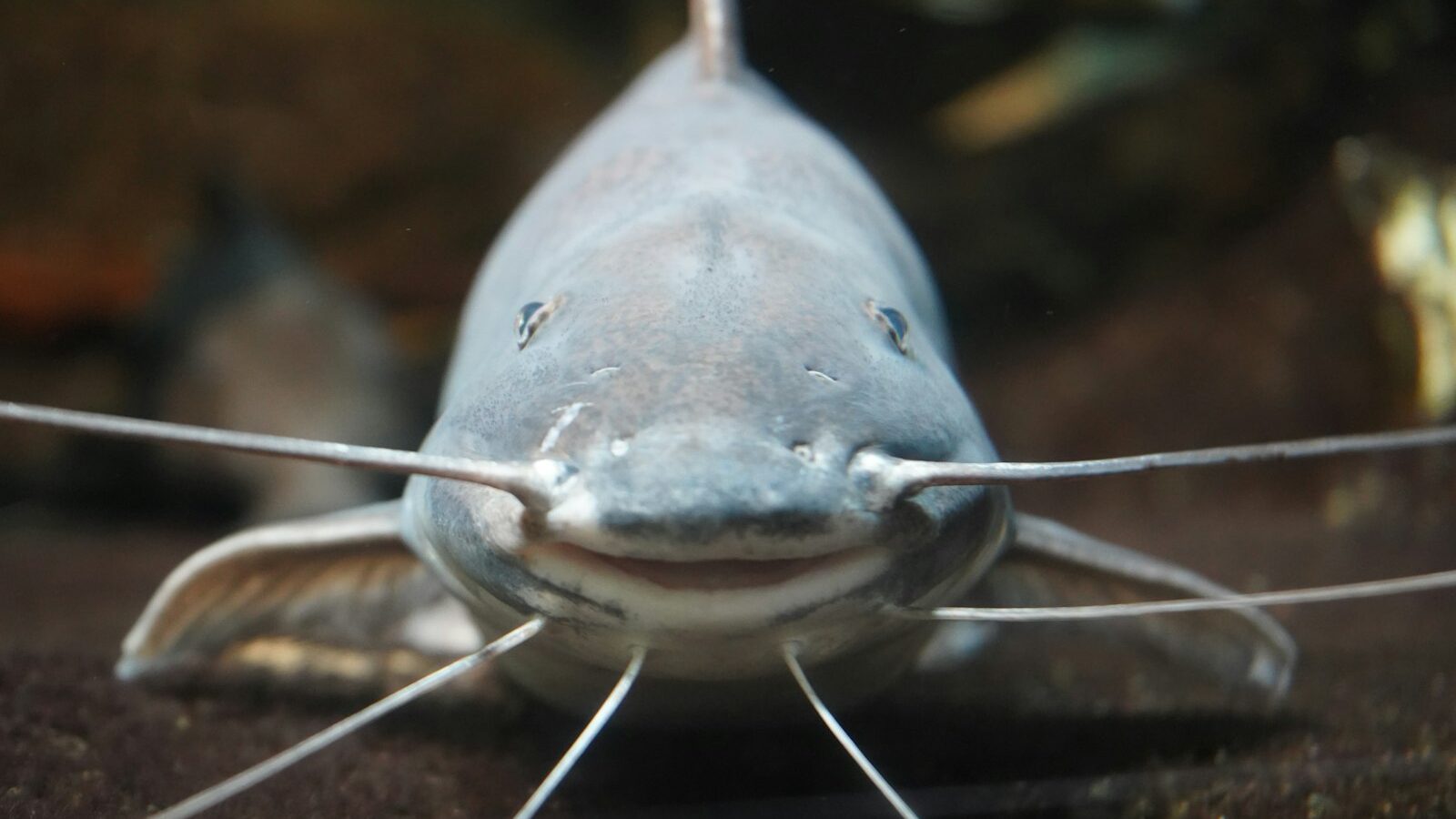
Few fish win over aquarists as quickly as the humble cory. Peaceful, busy and full of character, corydoras catfish potter along the bottom of the tank in little groups, sifting the substrate and darting to the surface for a gulp of air. For anyone keeping corydoras in Singapore, they make a wonderful addition to a calm community aquarium, provided you meet a few simple needs that keep them healthy and happy. They are not a decorative afterthought or a “clean-up crew” that survives on scraps, but sociable little fish that deserve proper care.
This is general fishkeeping guidance to help you set up well. If a fish looks unwell, seek advice from an experienced aquatics shop or an aquatic vet rather than guessing.
Understanding Corydoras and What They Need
Corydoras are small, armoured catfish that spend most of their time on the bottom of the tank. There are many species, from the popular bronze and peppered corys to smaller pygmy types, but they share the same broad requirements. They are gentle and non-aggressive, which makes them ideal tankmates for other peaceful community fish.
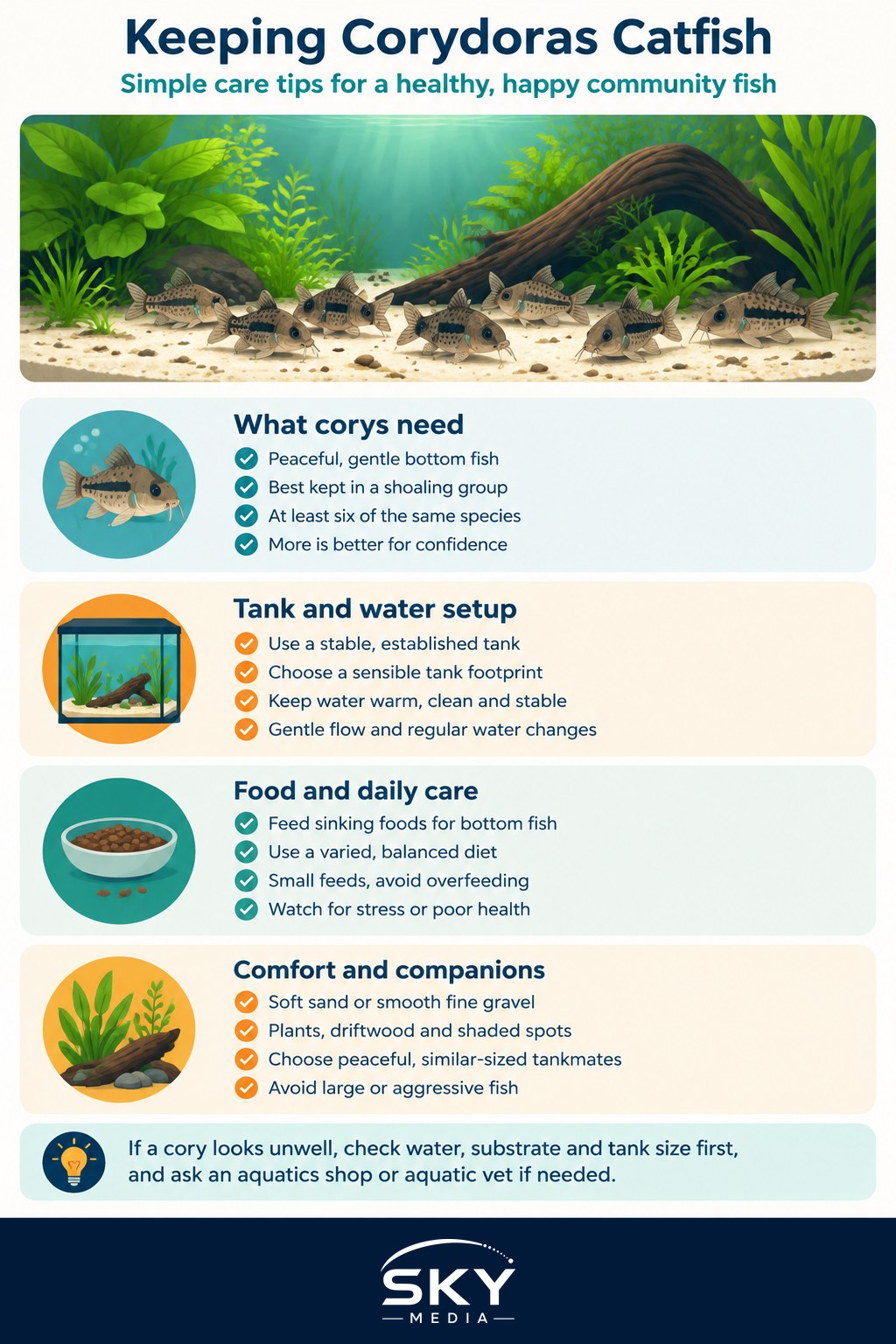
The single most important thing to know is that corydoras are shoaling fish. They feel safe and behave naturally only when kept in a group. A lonely cory is a stressed cory, so keep them in a group of at least six of the same species, and more is better. In a good-sized group you will see them rest together, forage together and generally act far more confidently.
Because they are bottom dwellers, the floor of the tank matters enormously. Corydoras use their delicate barbels, the whisker-like feelers around the mouth, to search the substrate for food. Sharp gravel wears these barbels down and can lead to infection, so a soft sand or smooth, rounded fine gravel is far kinder. Keep the substrate clean, because debris and waste that builds up on the bottom affects them first.
You may also notice a cory dash to the surface, gulp air and dart back down. This is normal. Corydoras can take in air at the surface through their gut, and it is nothing to worry about as long as they are not doing it constantly, which could signal poor water quality.
Setting Up the Right Tank
Corydoras suit a stable, established community aquarium. Give them enough room, as a cramped tank stresses fish and fouls the water quickly. A modest group needs a tank of a sensible size with a good footprint, since floor space matters more to them than height.
Warm, stable, clean water is the foundation of their health. In Singapore’s climate many tropical tanks sit at a comfortable temperature without much heating, but stability is key, so avoid swings. Keep on top of maintenance with a reliable routine of weekly partial water changes using dechlorinated water, gentle filtration and regular testing. Our guide to aquarium water testing and parameters walks through what to check and why it matters.
A few touches make corys feel at home:
- Soft sand or smooth fine gravel to protect their barbels.
- Gentle water flow, as they dislike being buffeted about.
- Plants, driftwood and a few caves or shaded spots to rest under.
- Peaceful tankmates of a similar size, avoiding large or aggressive fish.
If you are planning a broader community setup around them, setting up a community fish tank covers choosing compatible species and stocking sensibly. And if your aquarium is brand new, resist the urge to add fish too soon, as setting up and cycling your first aquarium explains why a matured filter matters before any corys move in.
Feeding and Everyday Care
There is a common myth that corydoras live off the leftovers other fish drop. They do scavenge, but they need their own proper food to stay healthy. Because they feed on the bottom, offer sinking foods that reach them before faster mid-water fish gobble everything up.
A varied diet works best. Good-quality sinking pellets or wafers designed for bottom feeders form the base, and corys relish occasional treats such as frozen or live foods appropriate for aquarium fish. Feed small amounts your fish finish within a few minutes, and take care not to overfeed, as uneaten food fouls the water and undoes your maintenance efforts.
Watch your corys each day as you would any pet. Active, alert fish that forage busily and rest in company are usually content. Signs that something is wrong include clamped fins, listlessness, gasping at the surface, eroded barbels or refusing food. These often trace back to water quality, an unsuitable substrate or an overcrowded tank, so check those first and correct them. If a fish remains unwell, seek advice from a knowledgeable aquatics specialist or an aquatic vet.
A Rewarding Little Fish
Corydoras reward good husbandry with years of gentle, entertaining company. Keep them in a proper group, give them soft footing and clean, stable water, feed them their own sinking food and choose calm tankmates, and you will have a lively little troupe that brings the bottom of the aquarium to life. As with any pet, they are a commitment rather than an impulse buy, so buy from a responsible source, quarantine new arrivals if you can, and set the tank up properly before they come home. For the bigger picture of the hobby, our overview of keeping fish and aquariums is a helpful companion read.
Frequently Asked Questions
How many corydoras should I keep together? Keep them in a group, and more is generally better. Corydoras are shoaling fish that feel secure and behave naturally in company, and a lone cory tends to be stressed. Make sure your tank has enough floor space for the group you choose.
Can corydoras live with bettas, guppies or tetras? Often yes, since they are peaceful bottom dwellers that rarely bother other fish. Choose tankmates of similar size and temperament, and avoid large or aggressive species. Check that everyone’s temperature and water needs match before you buy.
Why do my corydoras swim up to the surface so often? Occasional trips to gulp air are normal for corydoras. If it happens constantly, or they gasp near the surface, check for poor water quality, low oxygen or a warm tank. Test the water and improve aeration and surface movement.
Which substrate is safest for corydoras barbels? Soft sand or smooth, rounded fine gravel is kindest. Sharp gravel can wear the barbels down and lead to infection. Keep the substrate clean by siphoning debris during water changes, because waste builds up on the bottom where they feed.
Can corydoras survive on leftover food from other fish? No, that is a common myth. They need sinking pellets or wafers made for bottom feeders, plus occasional frozen or live treats. Feed small amounts they can finish, and check that faster fish are not eating everything first.