
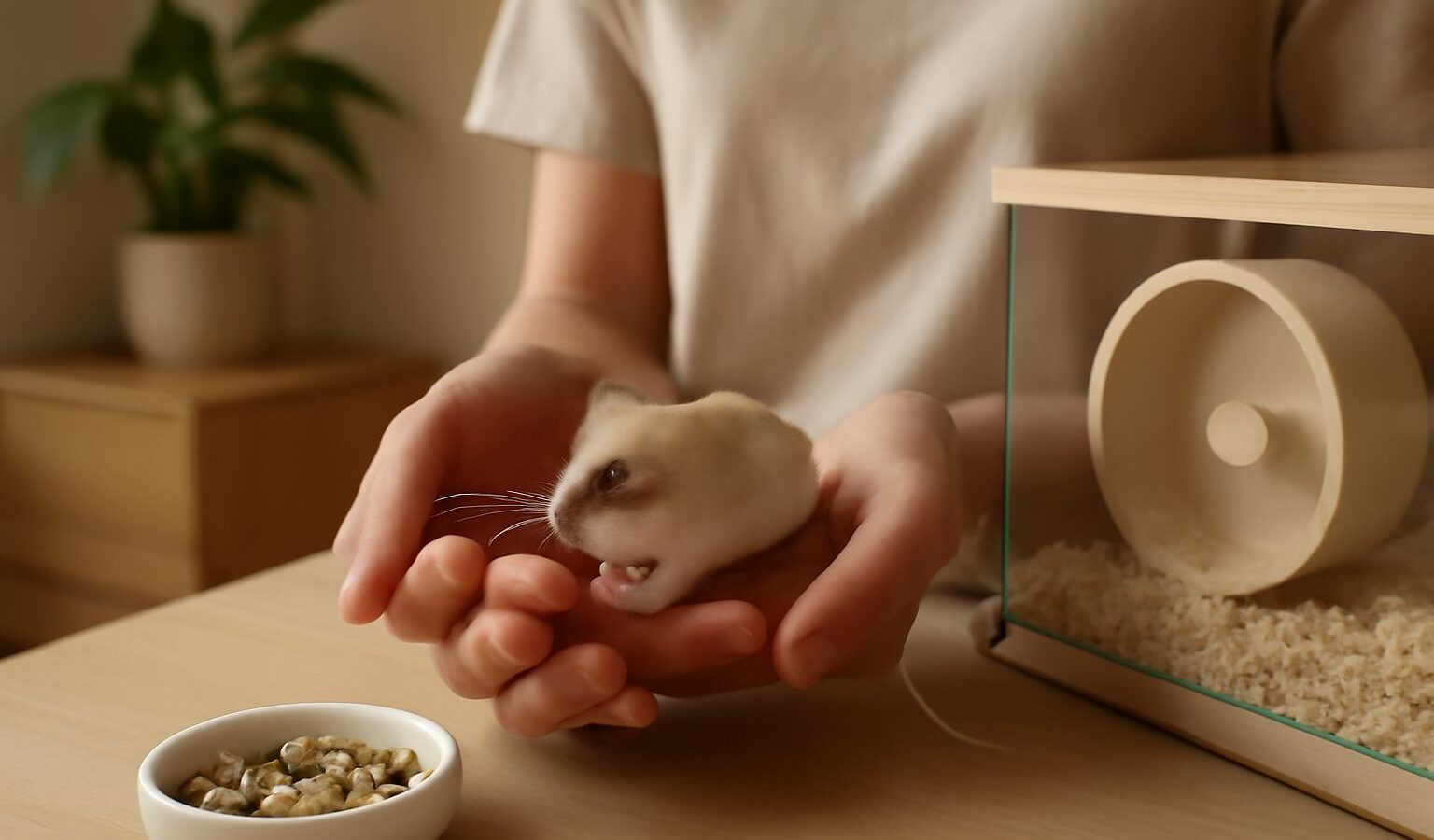
Small, clever and endlessly busy, mice make surprisingly engaging companions for people who enjoy watching more than cuddling. They build cosy nests, scurry through tunnels and learn to recognise the person who feeds them. Keeping mice as pets suits flat living well, since a single cage takes little room, but these tiny animals still have real needs around company, space and gentle handling. This guide covers what a good home looks like, the important difference between keeping males and females, and the honest commitment involved. It is general information, not veterinary advice, so see a vet who treats small animals for anything to do with your mouse’s health.
Are Pet Mice Legal in Singapore?
Start with the rules. Only animals on the current NParks AVS approved-pet list may be kept here, and many small exotic animals people see online, such as sugar gliders and hedgehogs, are illegal to own in Singapore. Pet mice have generally been permissible, but conditions can change, so confirm the current AVS position yourself before bringing any animal home rather than relying on a shop’s assurance.
Get your mice from a licensed source, too. A responsible seller keeps clean, healthy stock, can sex the animals correctly so you do not end up with accidental litters, and will not hand over a sick or pregnant mouse. Never take on a wild-caught animal, and if you find an injured or stray creature, contact the appropriate body such as AVS or ACRES rather than keeping it yourself.
Why Mice Are Rewarding but Delicate Pets
Mice are intelligent and curious, and a well-kept mouse spends its waking hours exploring, foraging, grooming and nesting. Give them things to do and they reward you with hours of lively, comical behaviour. They are also inexpensive to house compared with larger pets and are quiet enough for an HDB flat, though they are more active at night, so avoid keeping the cage in a bedroom if light sleep is a concern.
They are, however, small and fragile. A mouse can be injured by a fall, a heavy hand or a curious cat or dog, so they need a secure home and calm, careful handling. They are prey animals by nature, which means a new mouse is easily frightened and needs patient, gradual taming before it trusts you. They are best suited to gentle older children and adults rather than very young children who may squeeze or drop them.
Males or Females? Getting the Group Right
Mice are highly social and, in most cases, should not live alone. A lone mouse can become bored, withdrawn or stressed, so they generally do best in same-sex company, ideally in a small group established from a young age. The catch is that males and females behave quite differently, and choosing the wrong combination causes real problems.
Never house males and females together unless you want a constant stream of litters, since mice breed quickly and young females can fall pregnant remarkably early. Even a single unplanned pairing can overwhelm you with animals you cannot rehome responsibly.
| Consideration | Female mice | Male mice |
|---|---|---|
| Living together | Usually settle well in same-sex groups | May fight, especially unrelated adults |
| Scent and smell | Milder cage odour | Stronger, muskier scent |
| Best grouping | Small female groups from young | Often kept singly or as bonded pairs from birth |
| Temperament | Active, inquisitive, quick | Can be calmer but more territorial |
Whichever you choose, introduce mice carefully and watch for bullying. If two males fight persistently, they may need separating for their own safety, so have a plan and a spare enclosure before you commit to a group.
Setting Up the Cage
Mice are small but active, so give them more space than their size suggests and plenty to keep busy. A secure enclosure with a solid floor and narrow bar spacing or a well-ventilated tank-style cage works well, since mice are expert escape artists and slip through surprisingly small gaps. Keep the cage out of direct sun and away from draughts, and remember that our heat means good ventilation matters.
Fill the home with things that let a mouse behave naturally:
- Deep, safe bedding they can burrow and nest in, using dust-free material rather than scented or oily wood shavings.
- A cosy nest box or two for sleeping and hiding.
- A solid-surfaced exercise wheel large enough that the back does not arch painfully.
- Tunnels, ropes, ladders and safe chew items, since mice need to gnaw to keep their ever-growing teeth in check.
- A steady supply of fresh water from a bottle, plus a proper mouse food with occasional suitable fresh bits.
Spot-clean daily and do a fuller clean regularly, but avoid stripping out every familiar scent at once, which can unsettle them. In a warm climate, frequent cleaning also keeps odour and flies down.
Handling, Health and Commitment
Taming takes patience. Let new mice settle for a few days, then begin by resting a hand quietly in the cage and offering food, letting them come to you. Progress to gentle scooping rather than grabbing, always support the body, and never lift a mouse by the tail base or tip, which can injure it. Keep early sessions short, low down over a soft surface in case of a jump, and calm.
On health, learn your mouse’s normal look and habits so you notice changes early. Signs worth a vet visit include laboured or noisy breathing, weight loss, lumps, wounds, a scruffy coat, discharge or a mouse that stops eating or hides away. Respiratory trouble and lumps are common in mice, so do not wait and see for long. Not every clinic treats small rodents, so find a vet comfortable with mice before you need one.
Finally, be realistic about the commitment. Mice live only a short time, often around one to two years, which can be hard, especially for children, so go in with open eyes. In that time they still deserve proper housing, company, enrichment and prompt veterinary care when needed. Keep them from a licensed source, check the current AVS rules first, house them thoughtfully by sex, handle them gently, and you will have lively little companions who bring a lot of character to a small corner of your home.