
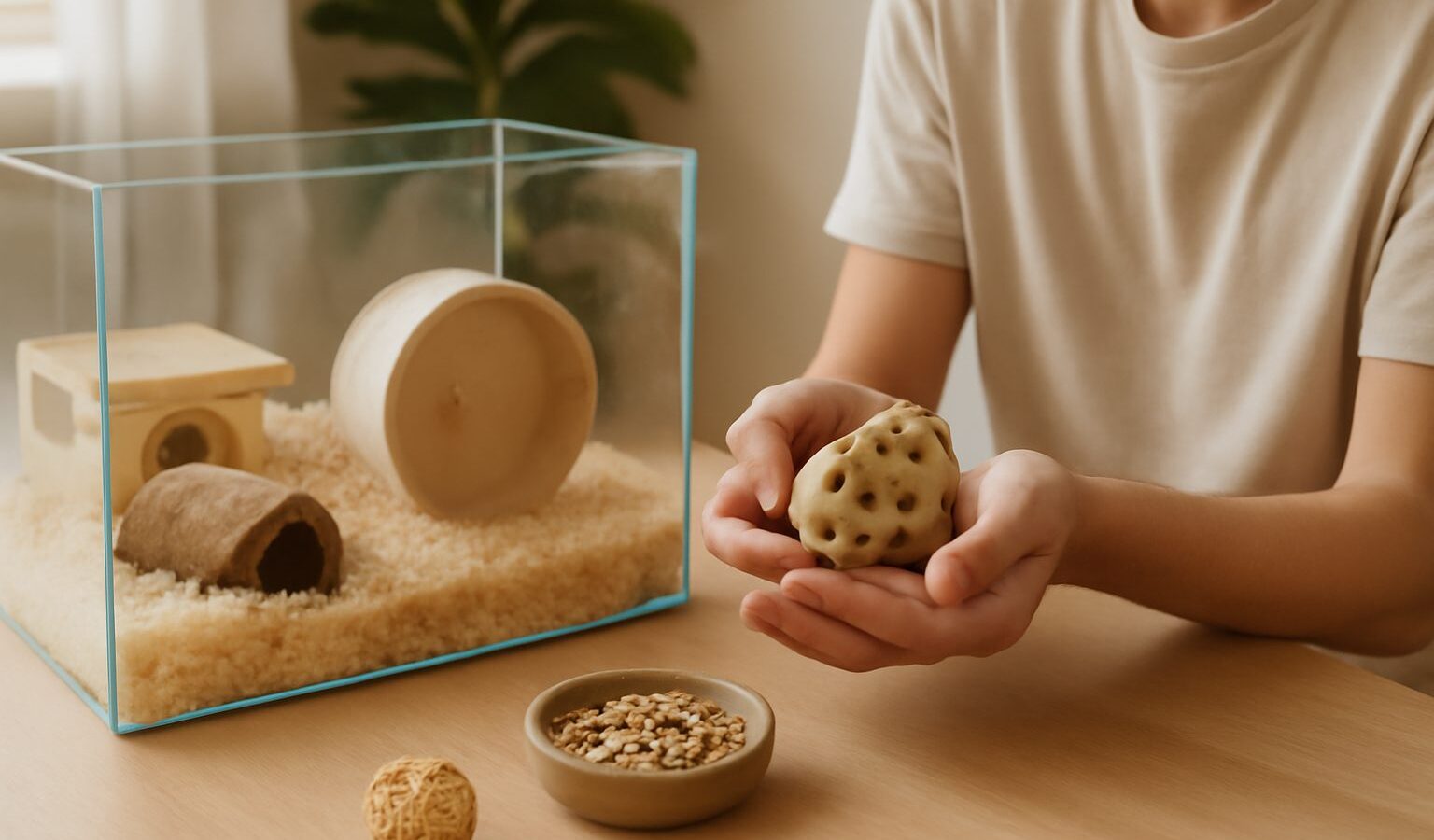
Small pets suit flat living in ways that a big dog never will. They are quiet, they take up little space, and a well kept enclosure fits neatly into a bedroom or living room corner. That makes hamsters in Singapore a popular first pet, along with other small companions like guinea pigs and rabbits. Small does not mean low effort, though. These animals have real needs, they feel stress and comfort, and they deserve the same thoughtful care as any larger pet. This guide walks through choosing a small pet that fits your home, housing it well, feeding it, keeping it cool in our climate, and knowing when it needs a vet.
Choosing a Small Pet That Suits Your Flat
The most common small pets in Singapore are hamsters, guinea pigs and rabbits, with smaller numbers of mice, gerbils and similar rodents. Each has a very different personality and care load, so match the animal to your household rather than to a cute photo.
Before you commit, check what is actually allowed. Some small mammals may be restricted or not permitted as pets, and rules can change, so confirm the current position with the Animal & Veterinary Service (AVS) under NParks before buying anything. Never take in a wild or illegal animal, and never buy on impulse from an unfamiliar source. Adoption is worth exploring too, as shelters and rehoming groups often have small pets, including surrendered hamsters and rabbits, looking for a second chance.
A few honest points to weigh up:
- Hamsters are solitary and mostly nocturnal, so they are often asleep when children want to play. Syrian hamsters must live alone.
- Guinea pigs are social herd animals that generally do better in pairs or small groups, and they are more interactive in the daytime.
- Rabbits are bigger, longer lived and need a lot of space and enrichment, so they are a serious long term commitment, not a starter pet.
| Small pet | Typical care and commitment |
|---|---|
| Syrian hamster | Lives alone, nocturnal, short lived, large single cage, gentle daily handling |
| Dwarf hamster | Small and fast, can be nippy, needs an escape proof cage, best for calm older kids |
| Guinea pig | Social, best in pairs, needs daily vegetables and vitamin C, more space and cleaning |
| Rabbit | Long lived and large, needs lots of space, enrichment and an exotics vet, high commitment |
Housing and Bedding
Good housing is the single biggest thing you can get right. Most pet shop cages sold as “hamster homes” are far too small. Aim for the largest secure enclosure you can fit, with plenty of unbroken floor space rather than tall tube towers that mostly look busy. A solid floor is kinder on feet than wire mesh.
Fill it out so the animal can behave naturally:
- Deep bedding of a safe, unscented paper based substrate so a hamster can burrow. Avoid dusty or fragranced materials.
- A solid, correctly sized exercise wheel for hamsters, with a solid running surface to protect their backs and feet.
- Hides, tunnels and chew items for shelter and to wear down constantly growing teeth.
- A quiet, stable spot out of direct sun, away from aircon draughts, kitchens and loud speakers.
Spot clean droppings and damp bedding often, and do a fuller clean periodically, keeping some old bedding so the familiar scent stays and the animal is not stressed.
Feeding a Balanced Diet
Each species eats differently, so read up on your specific pet rather than assuming one mix suits all. In general terms, hamsters do well on a good quality formulated pellet or seed mix with small amounts of fresh vegetables and the occasional treat. Guinea pigs are different again: they cannot make their own vitamin C and need a daily source through their food, plus unlimited good hay, which is essential for their gut and teeth. Rabbits also depend on unlimited hay as the base of their diet.
Fresh, clean water should always be available, checked daily in our heat. Introduce any new fresh food slowly and in small amounts, and learn which foods are unsafe for your species before offering anything from the kitchen. When in doubt, leave it out and ask a vet.
Keeping Small Pets Cool in the Heat
Singapore’s heat and humidity are a genuine welfare issue for small pets, several of which cope badly with high temperatures. Guinea pigs and rabbits in particular can suffer dangerous heat stress. Signs that an animal is too hot include lying stretched out and flat, fast or laboured breathing, drooling, and being unusually still or unresponsive. This is an emergency.
To keep them comfortable:
- Position the enclosure in the coolest, most shaded part of the flat, never against a sunny window.
- Keep good airflow without pointing a fan or aircon draught straight at the cage.
- Offer a ceramic tile or a wrapped, frozen bottle they can lean against to cool down, and always provide fresh water.
- On very hot days, moderate room temperature with fans or aircon as you would for yourself.
Handling, Enrichment and Everyday Care
Small pets are prey animals, so they read fast movements and looming hands as danger. Build trust slowly. Let a new pet settle for a few days, then start with quiet time near the cage, an open palm and a small treat, working up to gentle scooping with both hands close to a soft surface. Never grab from above or wake a sleeping hamster abruptly, as startled animals nip out of fear, not spite.
Enrichment keeps them healthy in body and mind: a wheel, tunnels, safe things to chew and forage through, and rearranged hides to explore. Bored, under stimulated animals develop stress behaviours, so a rich environment is part of good welfare, not a luxury.
These pets can be wonderful for children, with an important condition: adult supervision and adult responsibility. Handling should be calm and supervised, and the daily feeding, cleaning and health checks ultimately rest with a grown up. They teach gentleness and routine, but they are not toys.
Health, Vet Care and Lifespan
This is general information, not veterinary advice. For anything about your own animal’s health, please consult a licensed vet, and ideally one who sees exotic or small mammal patients, since not every clinic does.
Small pets hide illness well, so a change is often the first clue something is wrong. General red flags that warrant prompt veterinary attention include not eating or drinking, sudden weight loss, laboured breathing, wet or dirty rear end, discharge from eyes or nose, overgrown teeth, lumps, or a normally active pet going quiet and hunched. A short daily observation while you feed helps you notice these early.
Set realistic expectations on lifespan. Hamsters generally live only a couple of years, guinea pigs several years, and rabbits considerably longer, often many years. That short hamster lifespan is worth explaining gently to children in advance. A committed owner budgets time and money for good food, a proper enclosure and vet care across that whole life, however long or short it turns out to be. If you ever suspect an animal is being neglected or mistreated, you can report animal cruelty concerns to AVS.
Explore more
Thinking about a small companion is a good moment to line up the rest of your care plan. If you want a clinic that treats small mammals, read choosing a vet in Singapore and ask specifically about exotics experience. For a wider view of matching a pet to your home and routine, see choosing the right pet for your lifestyle in Singapore before you bring anyone home.