
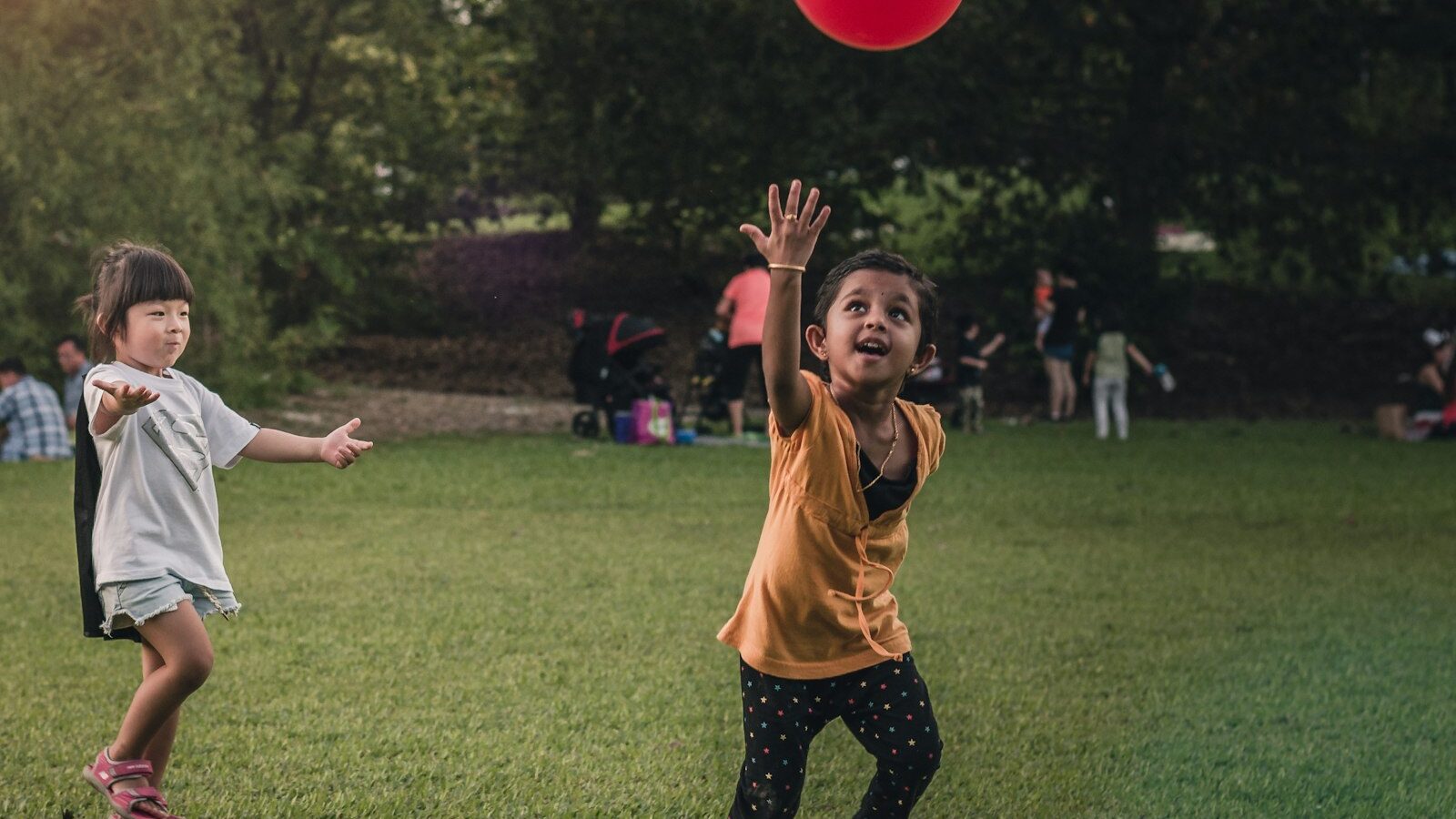
In a city that is hot, humid, and full of screens, helping children move enough can feel like a challenge. Yet keeping kids active Singapore families can manage day to day is very doable, and it does not require expensive gear or a packed schedule. It is mostly about fun, family-friendly habits that fit our climate and our neighbourhoods. This guide gathers practical ideas, from active play and sports to ActiveSG programmes, parks, and pools, so movement becomes a natural part of your week rather than another chore.
Why Movement Matters, and How Much
Regular physical activity supports children’s growth, sleep, mood, and concentration, and it helps build habits that last into adulthood. General health guidance encourages children to be active every day, with a good mix of running-around play and activities that build strength and coordination. Rather than fixating on exact numbers, aim for daily movement that leaves your child pleasantly tired and having fun.
The reassuring part is that activity adds up across the day. Walking to the bus stop, playing at the void deck, climbing at the playground, and cycling in the evening all count. You do not need to turn every session into structured exercise. For guidance suited to your own child, especially if they have a health condition, check HealthHub or speak with your doctor, since this is general information and not medical advice.
Active Play, Sports and CCAs
For younger children, unstructured active play is the foundation. Running, jumping, climbing, chasing, and ball games build coordination and confidence, and the humble neighbourhood playground is a brilliant, free resource. Letting children lead the play often keeps them moving longer than any drill would.
As children grow, more structured options open up. Many families explore sports through community clubs, private academies, or school co-curricular activities (CCAs). CCAs in Singapore schools give children a chance to try sports like football, badminton, basketball, swimming, or track in a supportive, social setting, and they build teamwork alongside fitness. There is no single right choice. The best activity is usually the one your child actually enjoys and will keep showing up for, so it is worth trying a few before committing.
Using ActiveSG, Pools and Public Facilities
Singapore is well served by public sports facilities, and ActiveSG, the national movement for sport run by Sport Singapore, is a great starting point. ActiveSG operates sports centres, gyms, and public swimming pools across the island, and offers programmes and classes for different ages. Signing children up can unlock affordable access to swimming, sports, and holiday activities close to home.
Public swimming pools deserve a special mention in our climate. Swimming is a wonderful, joint-friendly way to be active, and it doubles as an important safety skill, so many parents prioritise swimming lessons early. Beyond pools, community sports halls host activities like badminton and basketball that are easy to book and near most homes. Because programmes, schedules, and fees change over time, check the current details on the ActiveSG or Sport Singapore channels before you plan.
Parks, Park Connectors and Cycling
The outdoors is one of Singapore’s quiet strengths. The islandwide network of parks and the Park Connector Network (PCN) links green spaces with paths that are ideal for walking, jogging, scooting, and cycling as a family. A weekend ride or an evening stroll along a park connector is an easy, low-cost way to keep everyone moving together.
Cycling is especially family-friendly here. Many parents start little ones on balance bikes and progress to pedal bikes along the connectors and in parks. Nature spots and gardens also invite active exploration, turning a walk into an adventure. A few simple pointers help: bring water, plan for shade and rest stops, use helmets for cycling, and keep to the cooler parts of the day. Making the outdoors a regular family outing does more for lifelong habits than any one-off event.
Beating the Heat and Haze Days Indoors
Our weather means outdoor plans do not always work, so having indoor fallbacks keeps activity going. On very hot afternoons, during heavy rain, or on hazy days when outdoor air quality is poor, indoor options let children stay active without the discomfort. On hazy days in particular, it is sensible to check the current air quality advisory and shift active play indoors when advised.
Indoor movement can still be genuinely energetic. Indoor playgrounds, sports halls, swimming (indoor or sheltered pools), dance or active classes, and even living-room games all work. Simple at-home ideas, such as an obstacle course with cushions, a family dance session, or stretching together, cost nothing and burn plenty of energy. The table below matches common activities to where and how they tend to fit.
| Activity | Where and how (general) | Good for |
|---|---|---|
| Active play | Neighbourhood playgrounds, void decks, parks | Younger children, free and easy |
| Sports and CCAs | Schools, community clubs, private academies | Building skills and social fun |
| Swimming | ActiveSG and public pools, swim schools | Fitness plus a vital safety skill |
| Cycling and scooting | Park Connector Network, parks | Family outings, all ages |
| Indoor options | Indoor playgrounds, sports halls, home games | Hot, rainy, or hazy days |
Making It Fun and Balancing Screens
Children stick with movement when it feels like play, not punishment. Keeping it fun, social, and family-based is the real secret. Join in yourself where you can, since children who see active parents are more likely to be active too. Mix things up so activity does not become a rut, celebrate effort rather than performance, and let children have a say in what they try.
Balancing screen time matters here as well. Screens are a normal part of modern childhood, but active time is easier to protect when there are clear, calm limits and appealing alternatives on offer. Rather than framing it as a battle, make the active option the fun default: suggest a bike ride or a swim before the tablet comes out. Built patiently, these small routines become lifelong habits, and the goal is simply a childhood with plenty of joyful movement in it.
Explore more
For ideas on where to let little ones burn energy, see our roundup of the best playgrounds in Singapore, and for gentler outings with the youngest ones, our guide to things to do with toddlers in Singapore. To balance all that movement with healthy habits at the table, our guide to children’s nutrition and healthy eating in Singapore is a natural companion read.