
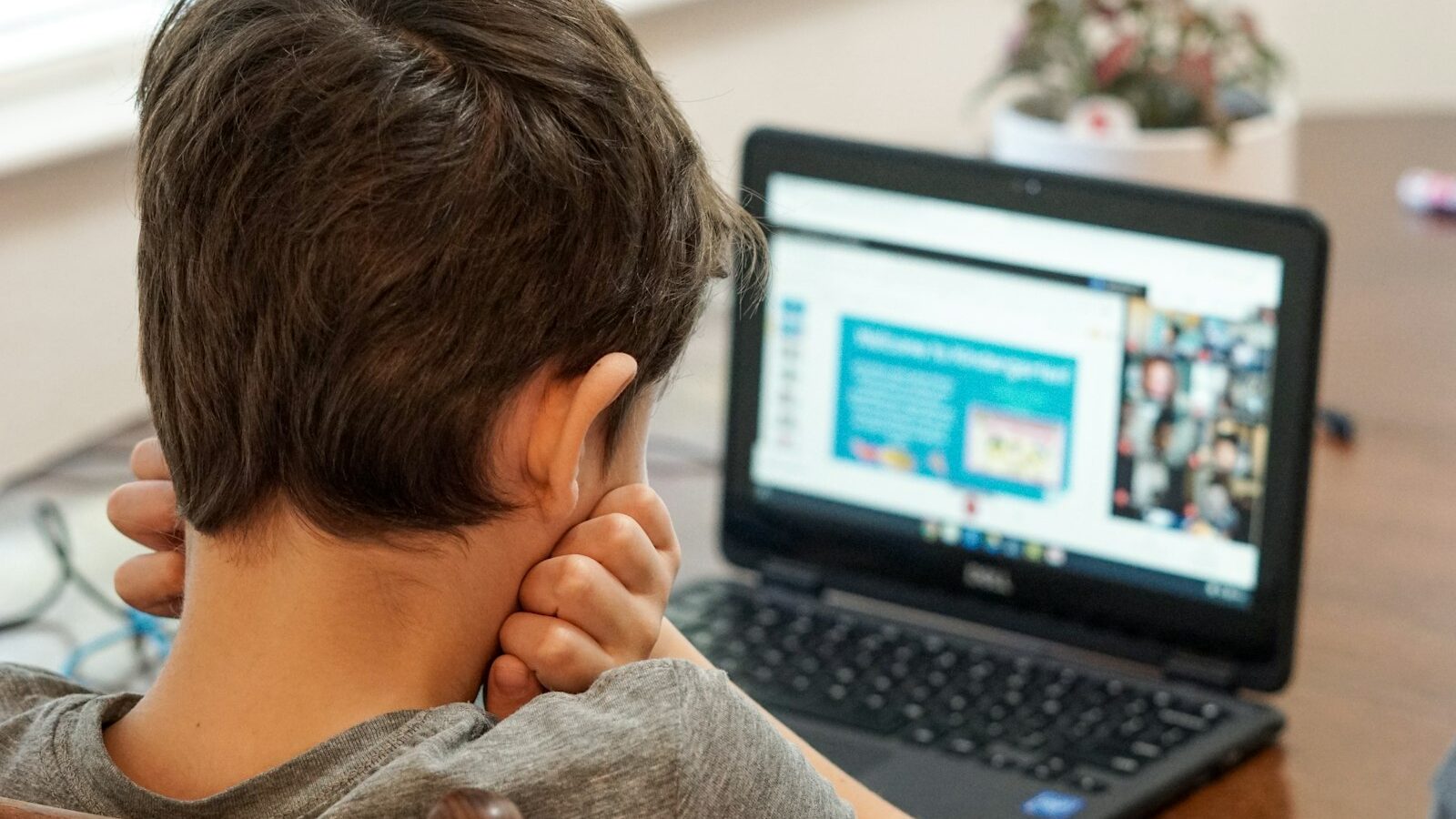
As children spend more time online, keeping them safe is an important priority for parents. This guide covers the risks, practical steps, fostering good habits, and open communication. This is a general overview for families.
Why online safety matters for kids
Children today spend increasing time online, for learning, entertainment, socialising and more, which brings many benefits but also real risks that make online safety an important priority for parents. The online world can expose children to risks such as inappropriate content, contact with strangers, online dangers, scams, and impacts on wellbeing, and children may be less equipped to recognise and handle these than adults. Keeping kids safe online involves a combination of protection, guidance, good habits and communication, helping them enjoy the benefits of the online world while staying safe. Understanding why online safety matters for kids, that increasing online time brings both benefits and real risks children may struggle to handle, helps you take it seriously as a parenting priority, so you can protect and guide your children in the online world, enabling them to enjoy its benefits while safeguarding them against its risks, an increasingly important part of raising children in a digital age.
The risks
| Risk area | Broadly |
|---|---|
| Inappropriate content | Unsuitable material online |
| Contact risks | Strangers and unsafe contact |
| Online dangers | Scams, harmful interactions |
| Wellbeing | Screen time and digital impacts |
Children can face several categories of risk online. Inappropriate content, material unsuitable for their age, is a common concern. Contact risks involve interaction with strangers or unsafe individuals online, a serious concern requiring vigilance. Other online dangers include scams, harmful or upsetting interactions, and various threats children may encounter. Wellbeing impacts, such as those related to excessive screen time, online pressures, or the effects of certain online experiences, are also important. Being aware of these risk areas helps parents guide and protect their children appropriately. Understanding the risks, inappropriate content, contact risks, online dangers, and wellbeing impacts, helps you know what to guard against and address with your children, so you can take appropriate protective steps and provide relevant guidance, addressing the real risks children face online in an informed way rather than being unaware of the dangers or, conversely, unduly fearful, striking a sensible protective balance.
Practical steps
Parents can take several practical steps to help keep children safe online. Use available parental controls, safety settings and age-appropriate restrictions on devices, apps and services to provide a layer of protection. Supervise and be aware of your children’s online activity in age-appropriate ways, and set sensible rules and boundaries around online use, including screen time and appropriate content and platforms. Choose age-appropriate apps, games and content. Keep devices and accounts secure. Adjust your approach as children grow and their needs and independence change. Combine these protective measures with guidance and communication. Understanding these practical steps, using parental controls and safety settings, supervising appropriately, setting sensible rules, choosing age-appropriate content, and keeping devices secure, helps you provide meaningful protection for your children online, so you create a safer online environment for them, layering practical safeguards with the guidance and communication that together keep children safe while allowing them to benefit from the online world.
Fostering good habits and communication
Beyond protective measures, fostering good habits and open communication is central to keeping kids safe online, especially as they grow more independent. Teach children age-appropriate online safety, such as being cautious with strangers and personal information, recognising risks, and knowing what to do if something feels wrong. Encourage good digital habits, balance, and healthy online behaviour. Crucially, maintain open, trusting communication, so children feel able to come to you about anything worrying or upsetting they encounter online, without fear of blame. Guide rather than only restrict, helping children develop their own judgement over time. Understanding the importance of fostering good habits and communication, teaching online safety, encouraging healthy habits, and maintaining open, trusting communication, helps you equip children to navigate the online world safely themselves, so that alongside protective measures, they develop the judgement, habits and willingness to seek help that provide lasting safety as they grow more independent online.
A balanced approach
The best approach to kids’ online safety is a balanced one, combining protection with guidance, and safety with the benefits of the online world. Overly restrictive approaches may not prepare children to handle the online world themselves, while too little protection or guidance leaves them exposed, so balance is key. Adjust your approach to your children’s ages, maturity and needs, providing more protection and supervision for younger children and more guidance and gradual independence as they grow. Stay informed about online risks and technology, and keep communication open. Aim to keep children safe while helping them enjoy and learn to navigate the online world responsibly. Understanding the value of a balanced approach, combining protection and guidance, adjusted to your children’s ages and needs, helps you keep your children safe online in a way that also prepares them to handle the digital world responsibly, so they enjoy its benefits and develop good judgement while being protected against its risks, at a level appropriate to their maturity.
The takeaway
As children spend increasing time online, keeping them safe is an important parenting priority, given the real risks, inappropriate content, contact risks, online dangers, and wellbeing impacts, that accompany the online world’s benefits. Practical steps like using parental controls and safety settings, supervising appropriately, setting sensible rules, and choosing age-appropriate content provide meaningful protection. Just as important is fostering good habits and open, trusting communication, teaching children online safety and encouraging them to come to you with concerns, so they develop lasting judgement. A balanced approach, combining protection with guidance and adjusting to your children’s ages and needs, keeps them safe while preparing them to navigate the digital world responsibly. This is a general overview for families.
Explore more: Protecting your data online · Avoiding scams in Singapore · Raising bilingual children in Singapore