
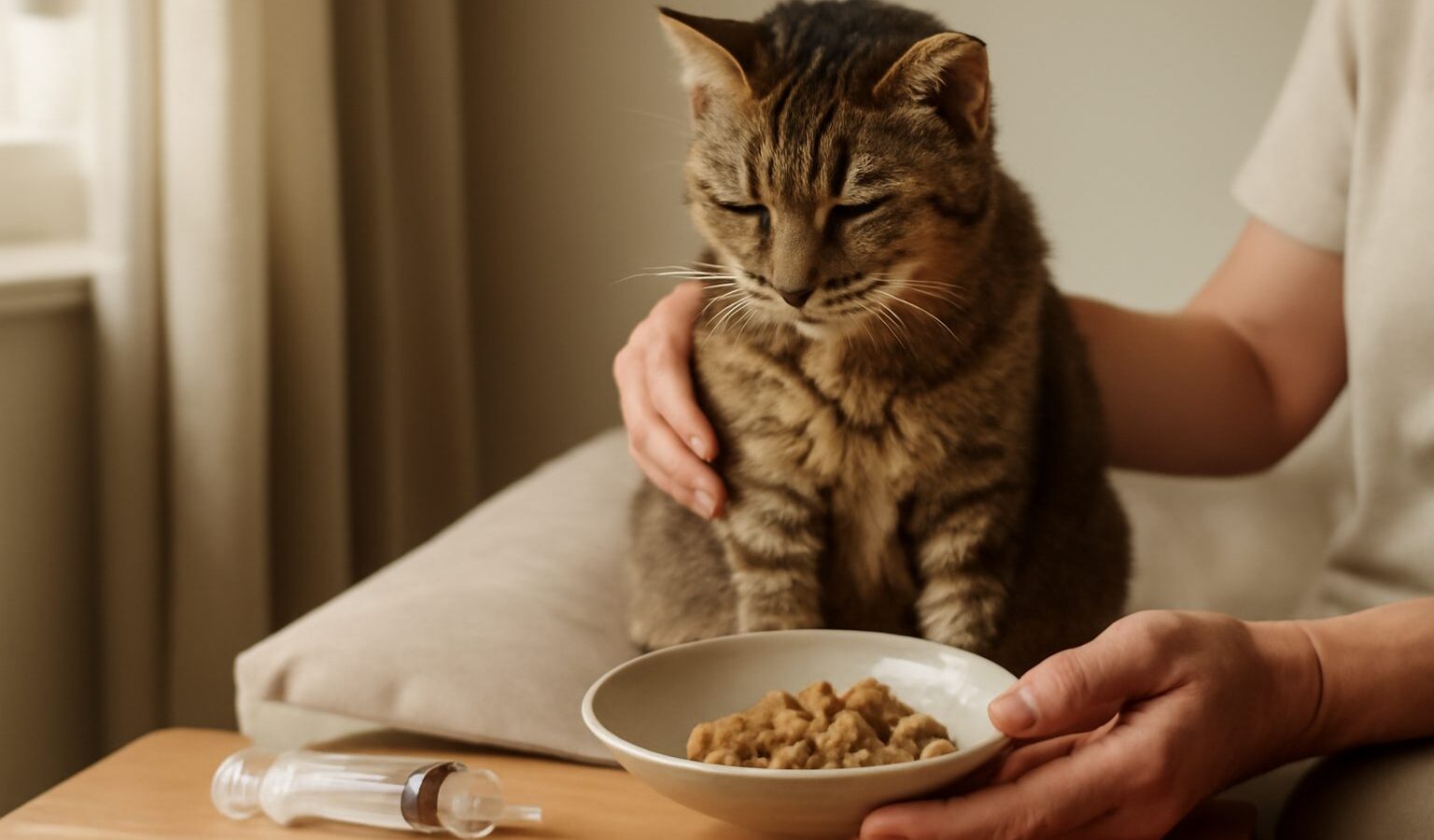
As cats grow older, their kidneys often begin to wear out, and kidney disease in cats is one of the most common health problems that senior cats face. The kidneys filter waste, balance water and salts and help keep blood pressure steady, so when they start to fail, the effects show up across the whole body. The good news is that with early detection and steady care from a vet, many older cats live comfortably for a long time after diagnosis. This article is general information to help you understand the condition and know when to seek help. It is not veterinary advice, and only a licensed vet can diagnose, treat and guide your cat’s care.
Understanding Kidney Disease in Cats
Kidney disease comes in two broad forms. Acute kidney injury develops suddenly, often after a toxin, blockage or illness, and is an emergency. Chronic kidney disease develops slowly over months or years and is the type most often seen in older cats. In chronic disease the kidney tissue is gradually damaged and cannot be repaired, but the goal of care is to slow the decline and keep your cat feeling well.
Cats hide illness remarkably well, a survival instinct from their wild ancestors. By the time obvious signs appear, a good portion of kidney function may already be affected. This is why the condition often goes unnoticed at home until it is fairly advanced, and why regular vet visits matter so much for senior cats.
Why Older Cats Are More Affected
Age is the biggest single factor. The filtering units inside the kidneys are finite and slowly lost over a lifetime, so the risk climbs steadily once a cat passes middle age, roughly from seven years and more sharply into the teens. Cats live long lives in Singapore’s indoor, well-cared-for households, which is wonderful, but it also means more of them reach the ages where kidney problems appear.
Other factors can play a part, including dental disease and its associated infection, high blood pressure, an overactive thyroid, certain inherited conditions in some breeds, and past episodes of dehydration or urinary blockage. Our hot, humid climate makes steady hydration important for every cat, since a cat that drinks too little is under more strain. None of these causes is something to diagnose yourself, but they are worth mentioning to your vet.
Signs to Watch For at Home
You know your cat’s normal habits better than anyone, and noticing a change early is one of the most useful things you can do. The classic signs of kidney disease in cats tend to creep in gradually.
- Drinking more and urinating more. Larger or more frequent clumps in the litter tray and an empty water bowl are common early clues.
- Weight loss and a poorer coat. A once sleek cat may feel bonier along the spine and look unkempt.
- Reduced appetite or fussiness, sometimes with nausea, drooling or occasional vomiting.
- Low energy, more sleeping, less play and a general sense that your cat is slowing down beyond simple ageing.
- Bad breath with an unusual smell, and sometimes mouth ulcers.
- Dehydration, which a vet can assess but which may show as a dull coat and sunken look.
The table below pairs some of these signs with what they may hint at, purely to help you describe things clearly to your vet, not to reach a diagnosis at home.
| Sign you might notice | What it can suggest | What to do |
|---|---|---|
| Drinking and urinating much more | Kidneys struggling to concentrate urine | Note the change and book a vet check |
| Steady weight loss over weeks | The body not coping with waste build-up | See a vet, bring any weight records |
| Eating less, occasional vomiting | Nausea linked to waste in the blood | Do not force food, seek vet advice |
| Very quiet, weak, not drinking at all | Possible sudden or advanced problem | Treat as urgent, go to a vet promptly |
If your cat suddenly stops eating or drinking, becomes very weak, or a male cat strains in the litter tray without producing urine, treat it as an emergency and go to a vet or 24-hour clinic without delay.
How a Vet Diagnoses and Manages It
Diagnosis is firmly a job for the vet, who will combine several tools to build a picture. Do not attempt to test or treat kidney disease yourself, and never give human medicines to a cat, as many are toxic to them.
- Blood tests measure waste products such as urea and creatinine, along with a newer marker that can flag problems earlier, plus salts and minerals.
- Urine tests show how well the kidneys concentrate urine and whether protein is leaking or infection is present.
- Blood pressure checks, since high blood pressure often accompanies kidney disease.
- Imaging such as ultrasound to look at the size and structure of the kidneys.
Once diagnosed, your vet will usually stage the disease and tailor a plan. Management commonly focuses on a therapeutic kidney diet, keeping your cat well hydrated, and medicines to control blood pressure, protein loss, nausea and any mineral imbalance. Do not change your cat’s diet or start any supplement on your own, as an unbalanced or unsuitable diet can do harm. Regular rechecks let the vet adjust the plan as things change. Every cat is different, so the right combination is one your vet works out with you over time.
Supporting Your Cat at Home
Between vet visits, gentle daily care makes a real difference to how well your older cat feels. The theme is comfort, hydration and consistency.
- Encourage drinking. Offer several water bowls, try a pet water fountain, and ask your vet whether wet food suits your cat’s plan, since it adds moisture.
- Feed the diet your vet recommends, in small, frequent, warmed meals that are easier to face when appetite is poor.
- Keep things easy and calm. Provide low-sided litter trays, soft warm bedding, quiet resting spots and easy access to favourite places, which helps as joints stiffen with age too.
- Reduce stress, since older cats settle best with steady routines and gentle handling.
- Watch and record. Track appetite, drinking, weight, litter tray output and energy, and share these notes at each visit.
- Give medicines exactly as prescribed, and speak to your vet rather than stopping or adjusting anything if you have concerns.
Caring for a Senior Cat With Compassion
A diagnosis of kidney disease is worrying, but it is not the end of a happy life together. Many cats do well for months or years with the right care, and the earlier it is caught, the more can be done, which is the strongest argument for regular senior check-ups, ideally at least once a year and more often once problems appear. Keep the costs of long-term care in mind and plan ahead where you can, and lean on your vet as your partner throughout. As the disease advances, your vet will help you weigh comfort and quality of life with honesty and kindness. Above all, remember that this guide is general information only. For diagnosis, treatment and every decision about your cat’s health, a licensed vet is the right person to turn to.