
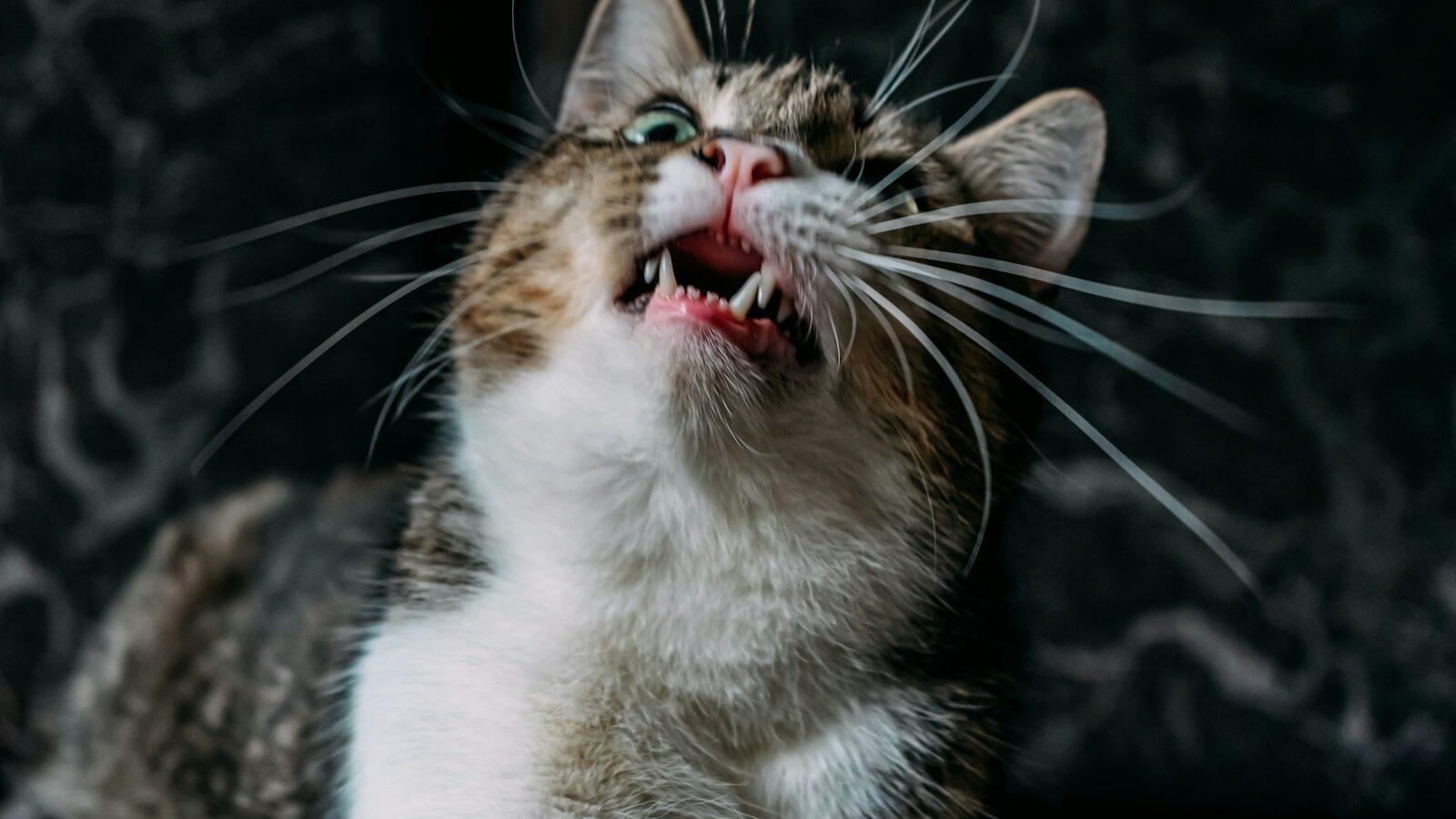
Pet dental disease is one of the most common health problems seen in dogs and cats, and one of the easiest to overlook. Because our pets cannot tell us their mouth hurts, sore gums and rotten teeth often go unnoticed for years, quietly causing pain and, in some cases, affecting the rest of the body. This is general information to help caring owners in Singapore understand what dental disease is, how to spot it early and how to lower the risk. It is not veterinary advice, and it does not replace a proper mouth check by a licensed vet.
What Pet Dental Disease Actually Is
Dental disease is not a single condition but a slow process. It usually starts with plaque, a soft film of bacteria that forms on the teeth after eating. In our warm, humid climate, that film builds up quickly. If it is not removed, plaque hardens into tartar, the yellow-brown crust you may see near the gumline. Tartar irritates the gums and gives bacteria a place to thrive.
Over time this leads to gingivitis, where gums become red, swollen and prone to bleeding. Left alone, it can progress to periodontal disease, where the tissue and bone that hold the tooth in place begin to break down. At that stage teeth can loosen, and infection can settle deep below the gumline where you cannot see it. Small-breed dogs, flat-faced breeds with crowded teeth, and older cats tend to be more prone, but any pet can be affected.
Signs Your Pet’s Mouth Needs Attention
Many owners assume bad breath is just normal “dog breath” or “cat breath.” In reality, a strong, foul smell is often the first clue that something is wrong. Watch for these signs and mention them to your vet:
- Persistent bad breath that does not improve
- Yellow or brown build-up along the gumline
- Red, swollen or bleeding gums
- Dropping food, chewing on one side, or eating more slowly
- Pawing at the mouth or rubbing the face on the floor
- Drooling, sometimes tinged with blood
- Loose, broken or missing teeth
- Becoming withdrawn, grumpy or reluctant to be touched near the head
Cats in particular are experts at hiding pain, so they may keep eating even with a very sore mouth. A pet that suddenly prefers soft food, or that flinches when you gently lift a lip, may be telling you more than you realise.
Why It Matters Beyond Bad Breath
Dental disease is not only a cosmetic issue. An infected, painful mouth affects a pet’s quality of life every single day, from eating to grooming to simply feeling comfortable. Chronic pain can change behaviour, making a gentle pet seem irritable or quiet.
There is also a wider concern. A mouth full of infection means bacteria and inflammation are present constantly, and vets take this seriously because oral infection may place extra strain on the body over time. This is one reason your vet may want to address dental problems rather than wait. The good news is that dental disease is largely preventable, and early stages can often be managed well when they are caught before teeth are damaged beyond saving.
Prevention You Can Start at Home
The single most effective home step is regular tooth brushing using products made for pets. Human toothpaste is not safe for pets, so never use it. Introduce brushing slowly and gently, ideally from a young age, letting your pet taste the paste first and building up to a soft brush or finger brush over several sessions. Daily is ideal; even a few times a week helps.
Home care supports, but does not replace, professional care. The table below compares common approaches so you can see where each one fits.
| Approach | What it does | What it does not do |
|---|---|---|
| Daily tooth brushing | Removes soft plaque before it hardens | Cannot remove existing tartar |
| Dental chews and safe toys | May reduce build-up and satisfy chewing | Cannot reach below the gumline |
| Water and diet options | May help slow plaque for some pets | Not a substitute for cleaning teeth |
| Vet check and scaling | Removes tartar, assesses hidden disease | Not something to attempt at home |
A few practical cautions. Very hard items such as bones, antlers or hard nylon toys can crack teeth, so choose items that flex slightly. Avoid attempting to scrape tartar off yourself, as you can hurt the gums and miss the disease below them. Ask your vet which chews, diets and tools suit your individual pet, especially if it already has dental changes.
When to See a Vet
Because so much dental disease hides below the gumline, a hands-on check by a licensed vet is the only reliable way to know what is really happening. Book a visit if you notice bad breath, discoloured teeth, bleeding gums, or any change in how your pet eats. Routine health checks are also a good moment to ask for a mouth assessment, and your vet can advise how often your pet needs one.
A proper cleaning, often called scaling, is usually done by a vet and typically involves anaesthesia so that every tooth, including the surfaces below the gum, can be cleaned and checked safely. Your vet will discuss whether this is needed and how to keep your pet comfortable.
Some situations deserve prompt attention rather than waiting for the next appointment. Contact a vet quickly, or seek an emergency vet, if your pet has a swollen face or eye, a suspected mouth or jaw injury, will not eat at all, is drooling heavily, or seems to be in obvious pain. These can point to infection or damage that needs care sooner rather than later.
Dental care is one of the kindest, most practical things you can do for a pet over its lifetime. A little routine at home, plus regular professional checks, keeps that mouth healthier and your companion more comfortable for years to come.
Explore more
Good oral health is part of a bigger picture. Read our guide to common pet parasites in Singapore to protect your pet from year-round threats, and see how pet obesity affects long-term health. If your pet shows itching or discomfort elsewhere, our overview of pet skin problems and allergies is a helpful next step.