
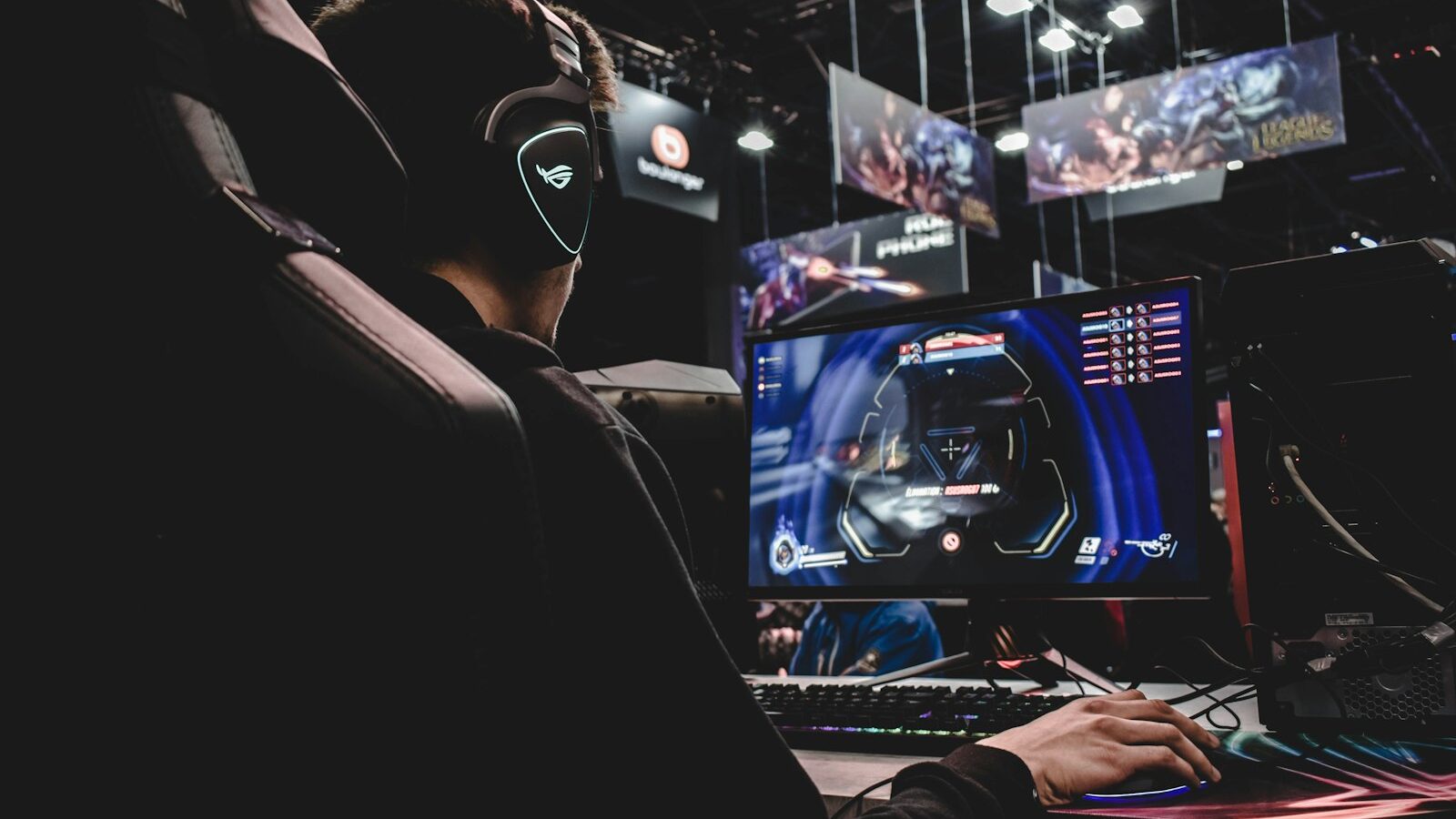
If you have ever wanted to play a big PC game with friends but do not own a powerful computer, a gaming cafe is one of the easiest answers. Across Singapore you will find gaming cafes, sometimes called LAN shops, tucked into shophouses, heartland malls and spaces near schools and MRT stations. They rent out gaming computers by the hour, so you can sit down, log in and play without buying any gear yourself. For many people, gaming cafes in Singapore are where a casual hobby turns into a shared night out.
This guide explains what these places are, who they suit, what to expect on your first visit, and how to behave so everyone has a good time. It is written for complete beginners and for parents trying to understand where their teenager keeps disappearing to after school.
What A LAN Shop Or Gaming Cafe Actually Is
LAN stands for local area network, which simply means a group of computers connected together in one place. In a LAN shop, rows of gaming PCs are wired to the same fast network, so friends sitting side by side can play the same game together with very low delay. That delay between your action and what happens on screen is called latency or ping, and a lower number feels smoother.
A gaming cafe is the modern version of the old LAN shop. Alongside the computers you will often find comfortable chairs, snacks and drinks, and sometimes consoles or racing seats. The core idea is the same: you pay to use good equipment for a while, rather than owning it.
These venues suit several kinds of people:
- Players without a gaming PC of their own, especially those living in an HDB flat where space or budget is tight.
- Friends who want to play together in the same room instead of only online.
- Students meeting up after lessons for a short, social session.
- Curious newcomers who want to try PC gaming before spending money on hardware.
What To Expect On Your First Visit
Walking in for the first time can feel a little intimidating, but the routine is simple. You tell the staff how long you want to play, pay for that time, and they assign you a seat. You usually log in to your own game accounts, play your session, then log out when you leave.
A few practical things worth knowing:
- Pricing is by time. Rates are charged per hour, and many places offer cheaper off-peak slots during the day or on weekdays, with packages for longer sessions. Prices change often, so check the current rate on the shop’s own board, website or social media before you go rather than trusting an old figure online.
- Bring your own logins. Your game progress lives in your accounts, not on the shop computer. Bring your usernames and use a password manager or two-factor codes so you can sign in safely, then always sign out afterwards.
- Peak hours are busy. Evenings, weekends and school holidays fill up fast. If you want a group of seats together, it helps to book ahead or arrive early.
- Food and drink rules vary. Some cafes sell their own snacks and prefer you buy from them; others are relaxed. Keep drinks away from keyboards regardless.
If you are meeting new people to play with, a cafe is a natural place to start, and you can read more about that in our guide to finding people to game with.
Choosing The Right Place For You
Not every venue suits every player. Thinking about a few factors helps you pick well.
| What matters to you | Look for | Why it helps |
|---|---|---|
| Playing with a group | Blocks of seats side by side | You can all sit together on the same network |
| A quiet, focused session | Smaller cafe or off-peak timing | Less noise and easier to concentrate |
| Trying before you buy | Pay-per-hour with newer machines | Test games and gear without committing |
| Comfort for long sessions | Good chairs, air-conditioning, breaks | Reduces aches and eye strain over time |
| Convenience | A venue near your home or MRT line | Cheaper and faster to get to regularly |
Beyond the table, trust your own eyes. A well kept cafe with clean peripherals, tidy cabling and friendly staff usually means a better experience than one that simply looks flashy. If you plan to visit often, being close to home or a familiar MRT line saves both time and travel cost.
Etiquette And Staying Comfortable
Gaming cafes are shared spaces, so a little courtesy goes a long way. Keep your voice at a reasonable level, especially late at night, and avoid slamming keyboards or mice in frustration since the gear belongs to the shop. Clean up your snack wrappers before you leave, and let staff know if a machine has a problem rather than struggling in silence.
Comfort matters too, particularly during long weekend sessions. Sit back in the chair with your feet flat, keep your screen roughly an arm’s length away, and try the 20-20-20 habit: every 20 minutes, look at something about 20 feet, or 6 metres, away for 20 seconds to rest your eyes. Stand up and stretch between matches, and drink water rather than only fizzy drinks. These small habits keep gaming fun instead of leaving you stiff and tired.
A Note For Parents
If your child spends time at a gaming cafe, there is usually no cause for alarm. These are social spaces where young people meet friends, much like an arcade or a sports hall in earlier decades. Still, a few sensible checks help.
Talk about a budget, since paying by the hour can add up over a week. Agree on reasonable timings, especially on school nights, and encourage a balance with sleep, studies and physical activity. Remind younger players not to share personal details or account passwords with strangers, and to be wary of anyone offering deals that seem too good to be true. Game classification and age suitability in Singapore follow IMDA guidance, so a quick check of a title’s rating helps you decide what is appropriate. If gaming ever starts to crowd out sleep, school or friendships, that is worth a gentle conversation, and support is available through mindline.sg if you need it.
Making The Most Of It
Gaming cafes in Singapore are one of the friendliest on-ramps into PC gaming. You get access to capable machines, a fast local network and, best of all, the company of other players, without the cost of building a setup at home. Start with a short off-peak session, bring a friend or two, and treat your first visit as an experiment. Once you know what you enjoy, you can decide whether to keep visiting the cafe, join a wider community, or eventually build a gaming corner of your own.