
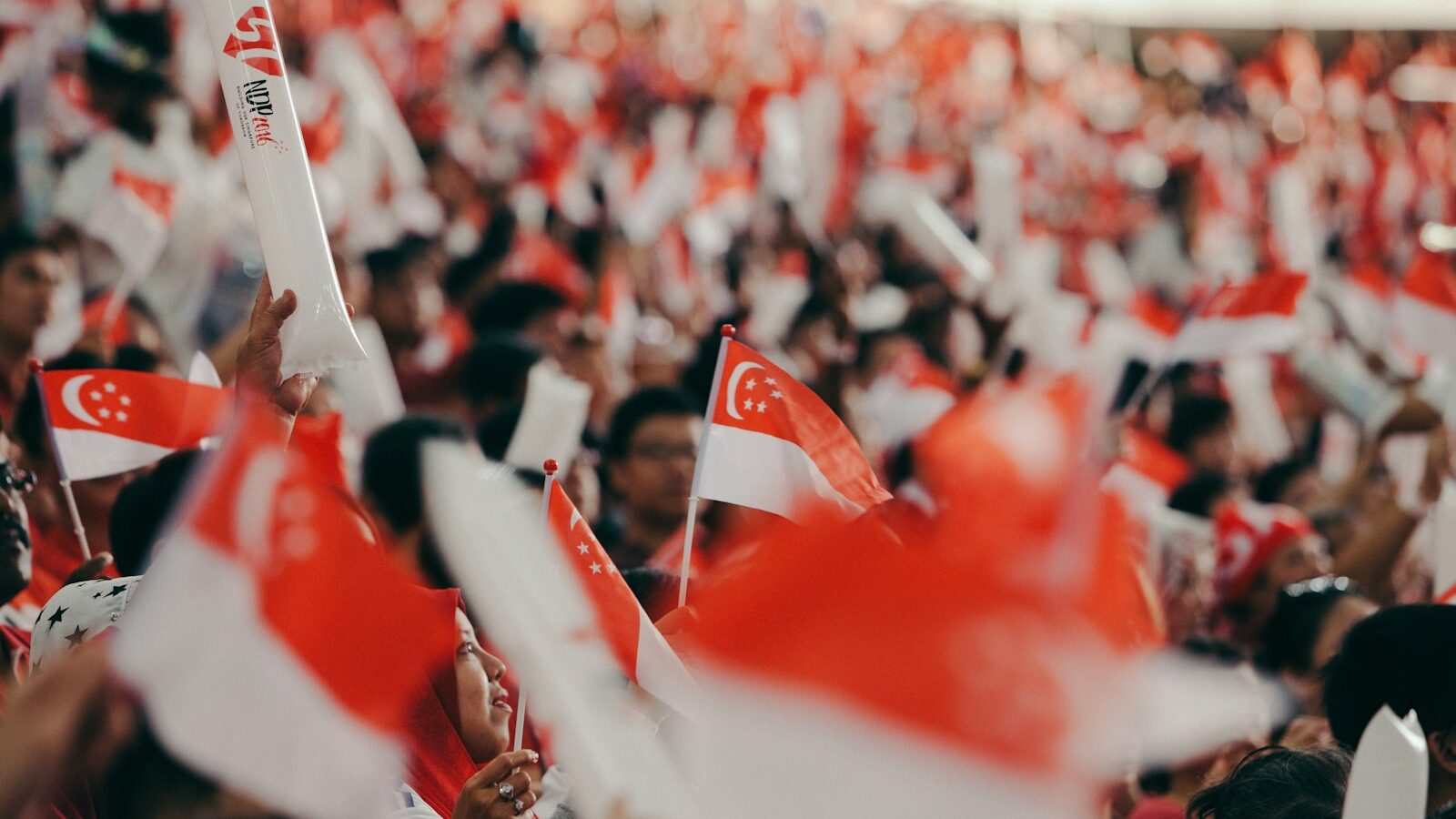
Taking up Singapore citizenship is a meaningful step, and two small things sit at its heart: the national anthem and the pledge. For anyone who has just made this country home, learning the national anthem and pledge as a new citizen is both a practical task and a quiet rite of passage. You will hear them at ceremonies, at your children’s schools and on National Day, so it helps to know the words, understand what they mean, and feel comfortable joining in. This guide walks through both respectfully and factually, so you can take part with confidence rather than guessing.
The tone here is simply informative. The anthem and pledge belong to everyone who calls Singapore home, and learning them is a warm, ordinary part of belonging.
Majulah Singapura In Brief
Singapore’s national anthem is Majulah Singapura, which means Onward Singapore in Malay. It was composed by Zubir Said, and it has been the national anthem since the country’s early years of independence. Like the country’s other national symbols, it is set in Malay, the national language, and that is a deliberate part of the nation’s shared identity.
A few things are useful to know as a newcomer:
- It is sung in Malay. You do not need to speak Malay day to day, but the anthem is always in Malay, so learning the pronunciation is the main task.
- The words are about aspiration. The lyrics call on Singaporeans to move forward together towards happiness and success. The spirit is unity and progress.
- There is one official version. The melody and words are fixed, so it is worth learning from an official recording rather than a casual clip.
Many newcomers find that the tune settles in quickly once they have heard it a few times at public events. The pronunciation of the Malay comes with a little practice, and no one expects perfection on the first try.
The Singapore Pledge
Alongside the anthem is the national pledge, written by Sinnathamby Rajaratnam. It is recited in English and expresses the idea of Singaporeans coming together as one united people, regardless of race, language or religion, to build a democratic society and a fair nation.
The pledge is short, which makes it easy to learn by heart. It is commonly recited with the right fist placed over the heart, and you will see this at schools each morning and at national events. For a new citizen, memorising it is very manageable, and understanding its meaning is just as important as knowing the words. Its emphasis on unity across different communities speaks directly to the diverse society you are now part of.
The idea of one united people, regardless of race, language or religion, sits at the centre of the country’s story. Singapore is home to many communities living side by side, and the pledge captures the aspiration to hold together rather than apart. For a newcomer, reading the pledge with this in mind turns it from a set of words into a small statement about the kind of society you are joining.
If you have children in local schools, they will likely learn the pledge before you do, and reciting it together at home can be a gentle way to learn as a family. Children often pick up both the words and the meaning through daily repetition at school, so they can become your most patient teachers.
Where You Will Encounter Them
Knowing when the anthem and pledge appear helps you feel prepared rather than caught out. The table below sets out the common occasions and what usually happens, so you know what to expect.
| Occasion | Anthem | Pledge | What to expect |
|---|---|---|---|
| Citizenship ceremony | Usually sung | Usually recited | A formal, welcoming event for new citizens |
| National Day and its celebrations | Sung | Recited | The most visible national moment of the year |
| School mornings | Often sung | Recited daily | Your children will know these well |
| Public and community events | Sometimes | Sometimes | Follow the lead of those around you |
The details of any official ceremony are set by the authorities, so treat this as a general guide and follow the instructions given on the day. When in doubt, simply follow those around you, who will be glad to see a new citizen taking part.
Learning Them Comfortably
There is no need to feel anxious about getting everything perfect. Plenty of people who were born here still stumble over a word now and then. A calm, steady approach works best.
- Start with official recordings. Learn the anthem’s melody and Malay pronunciation from an official source so you learn the correct version from the beginning.
- Read the meanings first. Understanding what the anthem and pledge express makes the words far easier to remember than rote learning alone.
- Practise the pledge aloud. Because it is short and in English, saying it a few times a day fixes it quickly.
- Learn with your family. If you have children, practising together turns it into a shared habit rather than homework.
- Give it time. By the time your first National Day as a citizen comes around, both will feel natural.
Approached this way, the anthem and pledge stop being a task and become part of how you mark belonging here.
A Respectful Note On Belonging
For many newcomers from the mainland, taking up citizenship involves careful thought, including the fact that China does not recognise dual nationality. That is a personal and legal matter, and the proper channels for it are the Immigration and Checkpoints Authority for Singapore citizenship and the Chinese Embassy for Chinese consular and passport questions. This article does not touch those decisions. Its only aim is to help you take part comfortably in the anthem and pledge once you are a citizen.
However you arrived at this point, learning these words is a gentle, positive step. They are recited by people of every background who share this island, and joining in is one of the simplest ways to feel at home among them.
Explore More
Feeling at home here grows from many small moments of belonging. To settle into the everyday social culture, read our guide to understanding paiseh and saving face in Singapore, and to pass your heritage on to the next generation, see keeping your child’s China roots and identity alive. Both pair naturally with putting down roots as a new citizen.