
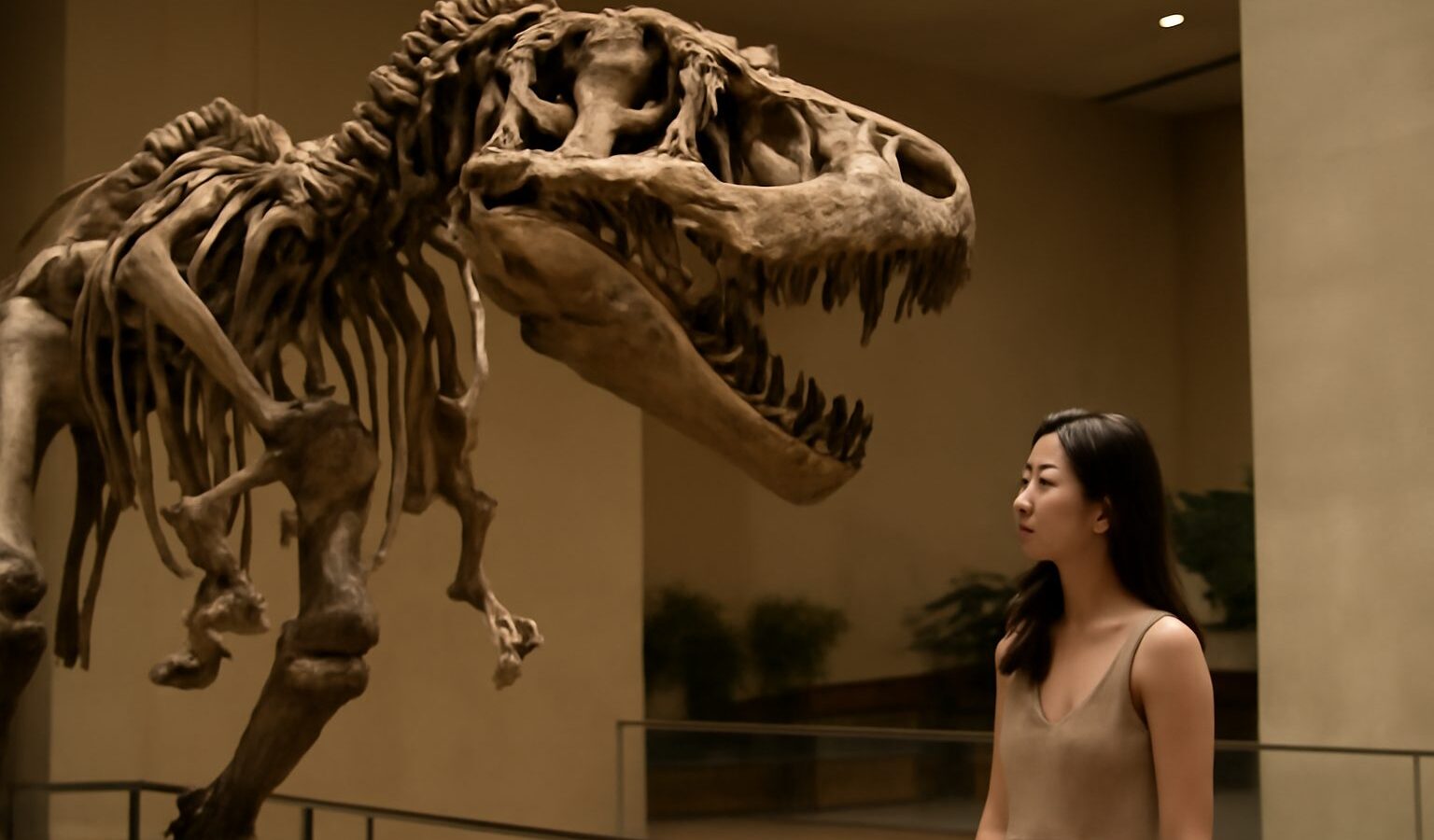
The Lee Kong Chian Natural History Museum is Singapore’s premier natural history museum, and it is a wonderful destination for families, students, and anyone curious about the natural world. Located within the National University of Singapore, it houses one of Southeast Asia’s most important collections of plant and animal specimens. If you are searching for a natural history museum Singapore visitors of all ages will enjoy, this is the place, best known for its towering dinosaur skeletons and its rich biodiversity gallery.
The museum traces its roots back to collections started in the nineteenth century, making it one of the oldest natural history institutions in the region. Today it combines serious scientific research with engaging public galleries, so a visit is both fun and genuinely educational. You do not need any background in science to enjoy it. The displays are designed to spark wonder in visitors of every age.
What the Museum Is and Its Highlights
At its heart, a natural history museum is a place that collects, studies, and displays specimens of animals, plants, fossils, and minerals to tell the story of life on Earth. The Lee Kong Chian Natural History Museum does exactly this, with a strong focus on the biodiversity of Singapore and the wider Southeast Asian region.
The undisputed stars of the museum are its dinosaur skeletons. The museum displays a group of large sauropod dinosaur skeletons, the long-necked plant-eating giants, mounted in the main gallery. Standing beneath these enormous fossils is a genuinely awe-inspiring experience and a favourite moment for children and adults alike. These specimens are among the most complete of their kind on public display in the region.
Beyond the dinosaurs, the biodiversity gallery is the other major highlight. Here you can walk through the incredible variety of life, with specimens ranging from tiny insects and colourful birds to mammals, reptiles, fish, and preserved marine creatures. The gallery is organised to help you understand how living things are related and how they have adapted to their environments. There are also displays on Singapore’s own natural heritage, geology and minerals, and the ongoing scientific work that keeps the collection growing. Interactive elements and thoughtful signage make it easy to explore at your own pace.
Who It Suits and How to Get There
This museum suits a very wide range of visitors. Families with children will find plenty to capture young imaginations, especially the dinosaurs. Students and lifelong learners will appreciate the depth of the biodiversity displays. Nature lovers, photographers, and anyone looking for an air-conditioned indoor activity on a hot or rainy day will all feel at home here. Because it sits within a university campus, it also has a calm, studious atmosphere that many visitors enjoy.
The museum is located on the NUS Kent Ridge campus. The most convenient way to get there by public transport is to take the MRT to Kent Ridge station on the Circle Line. From the station you can continue to the museum using the campus shuttle bus service or by following the signs and walking, though the campus is large and hilly, so allow a little time. Because campus access routes and shuttle details can change, it is worth checking the museum’s official website for the latest directions before you set off.
If you enjoy museums, you can make a day of it by pairing your visit with other institutions. Our guides to the National Museum of Singapore and the Science Centre Singapore are great companions for a museum-loving weekend.
Practical Visit Tips
A few simple tips will help you make the most of your visit. Opening hours, admission prices, and ticketing arrangements do change from time to time, and the museum sometimes uses timed entry slots to manage crowds, so always check the official website and book ahead if required before you go. This is especially important during school holidays and weekends, when the museum can be busy.
Plan to spend at least a couple of hours inside, and longer if you want to read the displays in detail. Wear comfortable shoes, since getting to and around the campus involves some walking. The galleries are indoors and air-conditioned, which makes this an ideal outing when the weather is hot or wet. Bring a water bottle and, if you are visiting with children, consider arriving earlier in the day when energy levels are high and crowds are thinner.
Photography is usually welcomed for personal use, so you can capture that classic shot beneath the dinosaurs, but check for any signs about flash or tripods. Finally, take your time in the biodiversity gallery. It rewards slow, curious looking, and you will leave with a deeper appreciation of the natural world right on Singapore’s doorstep.