
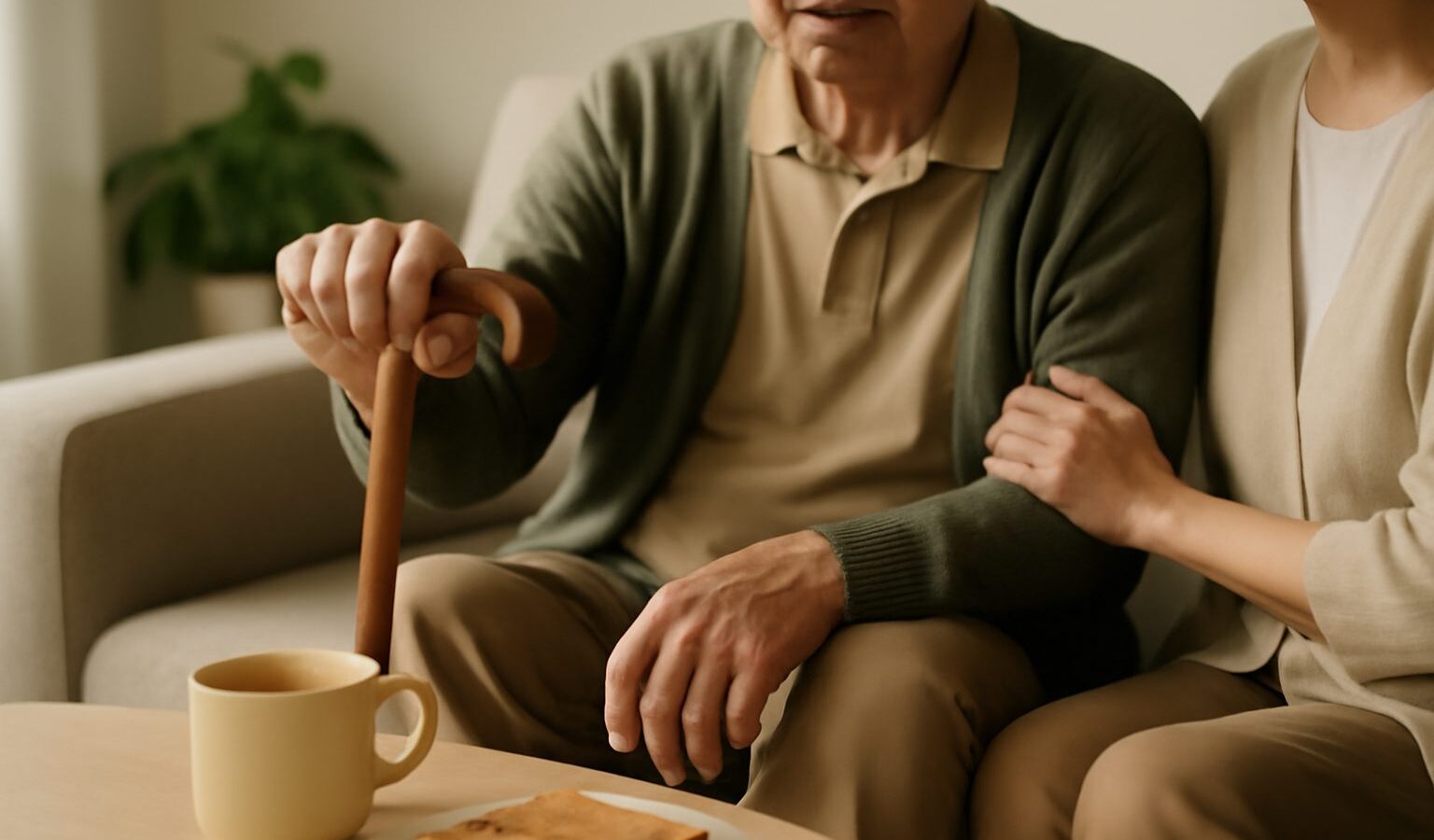
A Parkinson’s diagnosis can feel frightening, but many people live active, meaningful lives with the condition for years. Parkinson’s disease is a long-term neurological condition that affects movement and, over time, other functions too. It progresses slowly and differently in each person, which means care can be shaped around the individual rather than a fixed script. This guide explains what living with parkinsons involves day to day, the therapies and support available in Singapore, and how families can help without taking over. It is general information, not medical advice or a diagnosis. For assessment, treatment and medication, see a doctor, ideally a neurologist or geriatrician.
Understanding Parkinson’s and Its Symptoms
Parkinson’s develops when certain nerve cells in the brain that produce dopamine, a chemical that helps control movement, gradually decline. Because dopamine falls slowly, symptoms usually creep in rather than appear overnight, and early signs are easy to dismiss as normal ageing.
The best known symptoms are the movement ones:
- Tremor, often a shaking that starts in one hand when it is at rest
- Slowness of movement, so everyday tasks take longer
- Stiffness in the limbs or trunk
- Balance and posture changes, which raise the risk of falls
There are also less visible symptoms that matter just as much, including disturbed sleep, constipation, a softer voice, small handwriting, low mood, and changes in smell. Because the picture is so varied, only a doctor can diagnose Parkinson’s, and only a doctor should start or adjust treatment. Never change medicine doses or timing on your own, as timing in particular can strongly affect how well symptoms are controlled.
As the condition progresses, some people notice that their symptoms fluctuate through the day, with periods when medication is working well and movement is easier, and periods when it wears off and stiffness or slowness returns. These swings can be unsettling, but they are common and can often be smoothed by the doctor fine-tuning the treatment plan over time. Keeping a simple diary of when symptoms are better or worse, and what you were doing, gives the neurologist useful information at each review. An early, accurate diagnosis also matters, because it opens the door to therapies, planning and support sooner rather than later.
Everyday Strategies That Help
Living well with Parkinson’s is often about small adjustments that add up to real independence. These practical ideas support daily life, but they work alongside medical care, not instead of it.
- Keep moving. Regular, guided exercise helps with stiffness, balance and mood. Walking, stretching, tai chi and specific physiotherapy programmes are commonly recommended.
- Give tasks time. Rushing worsens freezing and frustration. Build in extra time for dressing, eating and getting around.
- Make the home safer. Remove trip hazards, add grab bars, improve lighting and choose supportive footwear to lower fall risk.
- Adapt tools and clothing. Weighted cutlery, non-slip mats, easy fasteners and buttonhooks can restore control over daily tasks.
- Protect the voice and swallowing. Speak up deliberately, and mention any coughing while eating to the doctor, as swallowing can be affected.
- Watch sleep and constipation. Both are common and treatable, so raise them with the care team rather than enduring them.
Because balance changes make falls more likely, the guidance in recovering from a fall or fracture is worth knowing before a fall ever happens. Good rest matters too, and persistent sleep problems in older age deserve their own conversation with the doctor.
Therapies and Care Options in Singapore
Parkinson’s care works best as teamwork across several professionals, coordinated over time. Beyond the neurologist or geriatrician who manages medication, a range of therapies support daily function.
| Support | What it helps with | Where to find it |
|---|---|---|
| Physiotherapy | Movement, balance, strength, fall prevention | Hospitals, rehab centres, home therapy |
| Occupational therapy | Daily tasks, home aids, safety adaptations | Hospitals, day rehab, community services |
| Speech therapy | Voice strength and swallowing safety | Hospitals and specialist clinics |
| Community programmes | Exercise groups, education, peer support | Support organisations and day-care centres |
The Agency for Integrated Care (AIC) can help families find day rehabilitation, home care and caregiver support, and the SupportGoWhere channel points to relevant schemes and subsidies. Costs for chronic care may be eased through Medisave, MediShield Life, CHAS and, for those with significant care needs, CareShield Life. A thorough geriatric assessment can be a helpful starting point, since Parkinson’s often sits alongside other conditions that all need managing together.
Supporting a Loved One Without Taking Over
For families, the hardest balance is offering help while protecting the person’s dignity and independence. Do things with the person rather than for them wherever possible, and let them set the pace. Simple courtesies matter: give time to answer, do not finish sentences, and be patient when movements are slow or a tremor makes tasks awkward.
Emotional health deserves attention. Anxiety and low mood are common in Parkinson’s, both as part of the condition and as a natural response to it. Encourage social contact, hobbies and routines that give purpose, and tell the doctor if you notice persistent sadness, withdrawal or confusion. As the condition changes, conversations about future care, finances and legal arrangements such as a Lasting Power of Attorney are worth having early, while the person can take a full part in the decisions.
Caregivers need care too. The work can be tiring and, at times, isolating. Learn safe ways to help with transfers and daily tasks from the therapists, share the load among family members, and use respite services so you can rest. Support groups run by Parkinson’s organisations offer both practical tips and the comfort of others who understand.
Living Fully, One Day at a Time
Parkinson’s is a long journey, and it changes over the years, but it does not erase a person’s interests, relationships or worth. With good medical management, regular exercise, a safe home and steady support, many people continue to enjoy the things that matter to them. Focus on what remains possible, adapt as needs shift, and lean on the professionals and community around you. This guide is a starting point for understanding, not a substitute for personalised care. Speak with a doctor about symptoms, treatment and any changes, and never adjust medication on your own.
Explore more: understanding a geriatric assessment, recovering from a fall or fracture, and sleep problems in older age.