
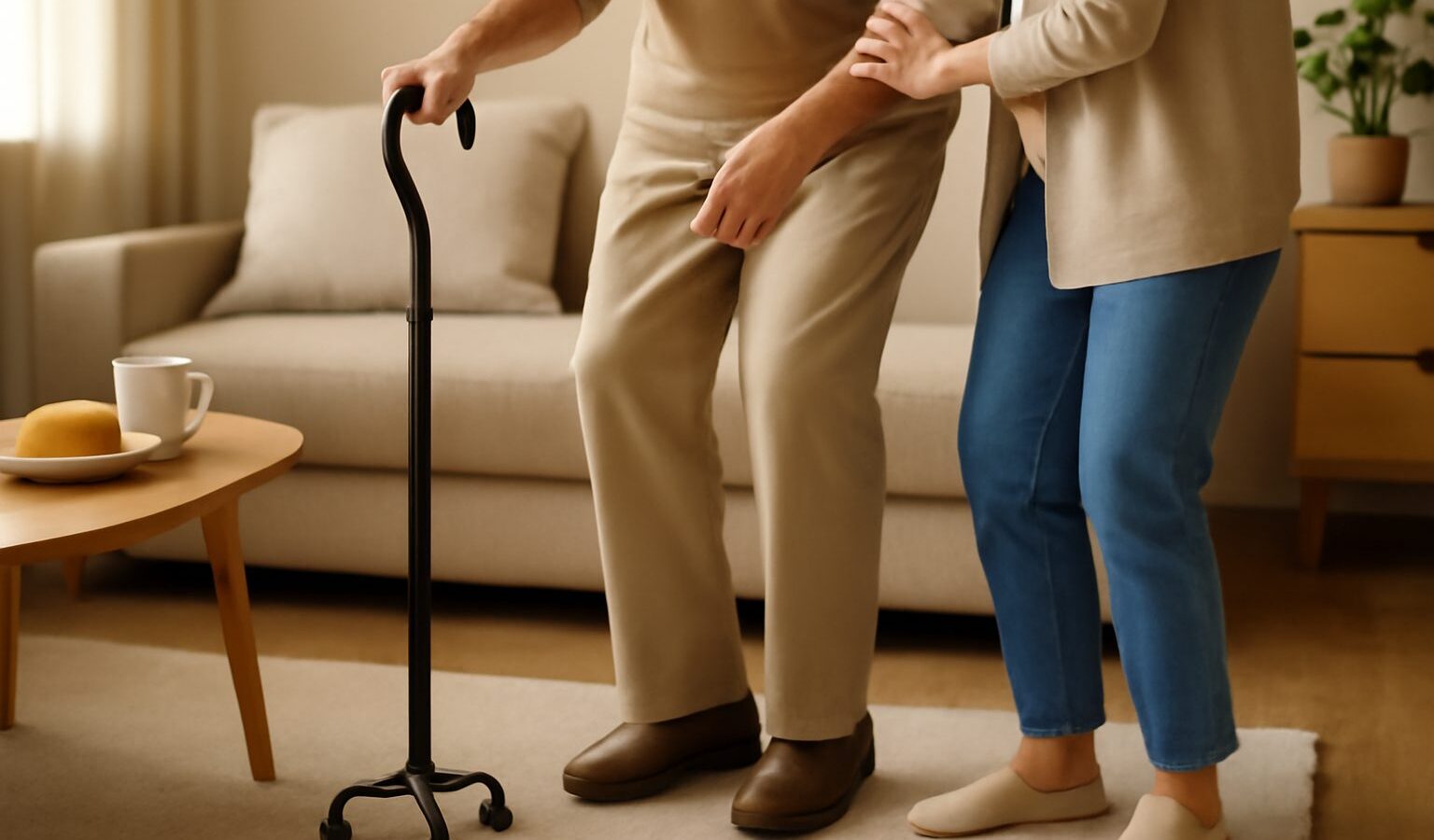
A fall can change an older person’s life in a moment. What starts as a slip in the bathroom or a trip over a rug can lead to a fracture, a hospital stay, and a lasting loss of confidence. That is why fall prevention seniors Singapore families care about is worth taking seriously long before anything goes wrong. The reassuring news is that most falls at home are preventable with practical, low-cost changes and a few new habits. This guide walks through why falls happen, how to make each part of the home safer, and what to do if a fall does occur. It is general information to help you plan, not medical advice; speak to a doctor about any balance, dizziness, or medication concerns.
Why Falls Are a Major Risk in Later Life
Falls are one of the most common causes of injury among older adults, and the risk rises with age. Several things change as we grow older. Muscles lose strength, balance and reflexes slow, eyesight dims, and bones become more fragile, so a minor stumble can cause a serious break. Long-term conditions such as arthritis, diabetes, low blood pressure, or the after-effects of a stroke add to the risk, as do some medications that cause drowsiness or lightheadedness.
The consequences reach beyond the physical injury. Many seniors who have fallen become fearful of falling again, so they move less, which weakens muscles further and, ironically, makes another fall more likely. Breaking this cycle early, by keeping active and making the home safer, protects both independence and confidence. Understanding that falls are not simply an unavoidable part of ageing is the first step; most have identifiable causes that families can address.
Removing Hazards Room by Room
Most homes contain trip hazards that go unnoticed until someone stumbles. A calm walk through the flat, ideally imagining you are unsteady on your feet, will reveal many of them.
- Floors and walkways. Clear clutter, loose cables, and stray items from paths. Remove or firmly secure loose rugs and mats, which are a frequent cause of trips. Wipe up spills at once and keep frequently used items within easy reach so no one has to climb or stretch.
- The bathroom. This is the highest-risk room because water makes surfaces slippery. Fit sturdy grab bars beside the toilet and inside the shower, and lay non-slip mats or apply anti-slip treatment to wet floors. A shower seat and a hand-held shower head let a senior wash while seated.
- Stairs and steps. Make sure handrails are secure on both sides where possible, and mark the edge of any step that is hard to see. Keep stairways clear and well lit.
- The bedroom. Keep a lamp and phone within reach of the bed, and consider a night light for trips to the toilet after dark.
These changes cost little and can often be done in an afternoon. For larger works such as ramps or a walk-in shower, see our companion guide on home modifications.
Lighting, Footwear, and What You Wear
Good lighting is one of the simplest protections against falls. Ageing eyes need more light and adjust more slowly between bright and dark, so shadowy corridors and dim staircases are dangerous. Brighten hallways, stairs, and the bathroom, place light switches within easy reach of the door and bed, and use night lights along the route to the toilet. Motion-activated lights are helpful for anyone who wakes during the night.
Footwear matters more than people expect. Loose slippers, socks on smooth floors, and worn-out soles all invite slips. Encourage well-fitting shoes or slippers with firm, non-slip soles and a back that holds the heel, worn even indoors. What a senior wears also counts: trailing hems or overly long trousers can catch underfoot, so clothes that fit properly are safer.
Health Habits That Keep You Steady
A safe home is only half the picture. The body’s own balance system needs attention too, and several health habits make a real difference.
- Check vision regularly. Poor eyesight and uncorrected glasses are a major, fixable cause of falls. Book regular eye checks and keep spectacle prescriptions current.
- Review medications. Some medicines, and certain combinations, cause dizziness, drowsiness, or a drop in blood pressure on standing. Ask a doctor or pharmacist to review all prescriptions periodically. Never stop a medication on your own.
- Stay strong and balanced. Regular strength and balance exercise is one of the most effective ways to prevent falls. Simple routines, tai chi, and programmes at Active Ageing Centres can improve stability. Our guide on staying fit as a senior has more on this.
- Mind blood pressure and hydration. Standing up slowly, staying hydrated, and eating regularly help avoid the lightheadedness that leads to falls.
The table below sums up common risk factors and the practical step that addresses each.
| Fall risk factor | Why it raises risk | Prevention step |
|---|---|---|
| Trip hazards (rugs, clutter, cables) | Easy to catch a foot, especially when unsteady | Clear walkways; secure or remove loose mats |
| Wet or slippery bathroom | Water reduces grip and balance | Grab bars, non-slip mats, a shower seat |
| Poor lighting | Ageing eyes miss steps and obstacles | Brighter lights, night lights, reachable switches |
| Unsafe footwear | Loose or worn soles slip | Firm, well-fitting, non-slip shoes indoors and out |
| Weak muscles and poor balance | The body cannot correct a stumble | Regular strength and balance exercise |
| Poor vision | Hazards go unseen | Regular eye checks; up-to-date glasses |
| Certain medications | Dizziness or drowsiness | Periodic review with a doctor or pharmacist |
What to Do After a Fall
Even with the best precautions, a fall can still happen, so it helps to plan calmly in advance. If a senior falls, the first thing is not to rush to get up. They should pause, check for pain or injury, and only try to rise slowly if it feels safe, ideally rolling onto their side, getting onto hands and knees, and using a sturdy chair for support. If there is severe pain, a possible broken bone, a head knock, or they cannot get up, they should stay put, keep warm, and call for help.
Being reachable matters. A phone kept within reach, a personal alarm, or a simple arrangement to check in with a neighbour or family member can make all the difference for someone who lives alone. After any fall, even one without obvious injury, it is wise to see a doctor. A fall can signal an underlying issue such as a medication problem, an infection, or a balance disorder, and treating the cause helps prevent the next one. Seek prompt medical care for any injury, dizziness, or repeated falls.
Explore More
Making the home safer often goes hand in hand with larger changes, so read our guide on senior-friendly home modifications in Singapore for grab bars, ramps, and accessible bathrooms. To build the strength and balance that keep you steady on your feet, see staying fit and active as a senior in Singapore. A safer home and a stronger body together are the best defence against falls.