
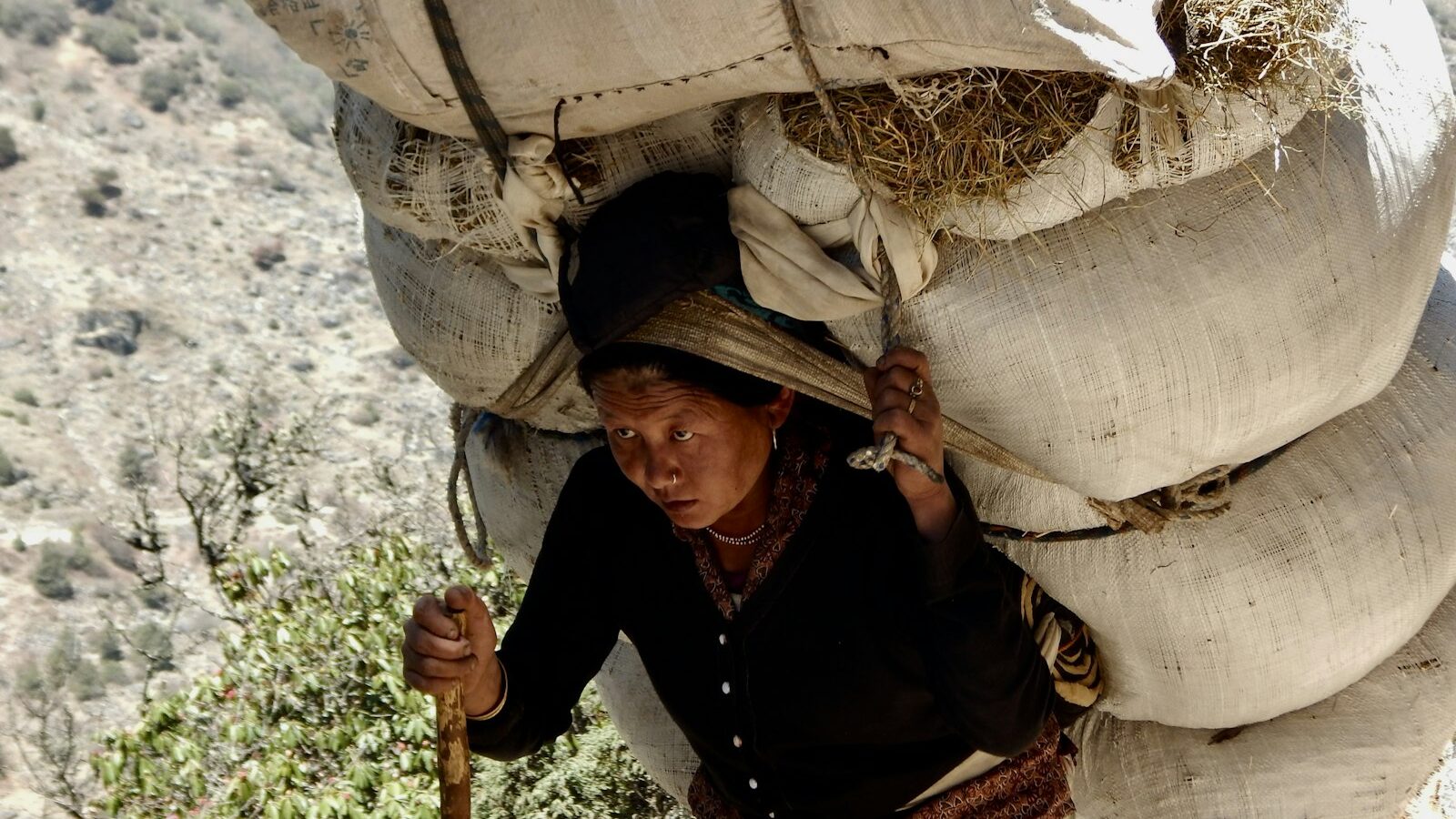
Some of the most useful strength training you can do is also the simplest: pick up something heavy, hold it, and walk. That is the essence of a loaded carry, and the farmers walk singapore lifters love is the best known version of it. You grab a heavy weight in each hand and walk with a tall, braced posture. It looks almost too basic to matter, yet carries build grip, core stability, and honest full-body strength in a way that carries straight over into daily life.
This is general fitness information, not personalised or medical advice. If you have an injury or a health condition, are pregnant, or are older, please check with a doctor before starting a new programme, and see a physiotherapist or qualified coach if you have pain or are unsure about your technique.
Why loaded carries are worth your time
Carrying a heavy load challenges almost everything at once. Your hands and forearms fight to hold on, your shoulders and upper back work to stay stable, your core braces to keep your spine steady, and your legs and hips drive each step. Few exercises train so many things with so little complexity.
The benefits are practical rather than flashy:
– Grip strength, which underpins deadlifts, rows, pull-ups, and carrying groceries up to an HDB flat when the lift is down.
– Core stability, because your midsection has to resist being pulled sideways or bent forward.
– Postural strength through the upper back, which counters hours spent hunched over a phone or laptop.
– General work capacity and conditioning, since a heavy carry gets your heart rate up quickly.
Because grip is such a central benefit, carries pair naturally with dedicated work on building grip strength. And because the core has to brace throughout, they complement structured core and ab training that works rather than replacing it.
The main types of loaded carry
You are not limited to one style. Each variation shifts the emphasis slightly.
- Farmer’s walk: a weight in each hand, held at your sides. The classic. Trains grip, traps, and overall carrying strength.
- Suitcase carry: a weight in just one hand. Your core works hard to stop you tipping toward the load, which makes it excellent for anti-lateral core strength.
- Front-loaded carry: holding a weight against your chest, such as a kettlebell or a plate. This shifts demand onto your upper back and core, and is gentler on the grip.
- Overhead carry: pressing a weight overhead and walking. Advanced, demanding on the shoulders, and best attempted once you already have solid overhead strength and mobility.
If you train mostly at home, you can improvise. A pair of dumbbells, a couple of loaded kettlebells, or even two full water containers of equal weight will do the job in a corridor or void deck. This makes carries a friendly option for anyone exercising in a small HDB flat, since you need distance rather than floor space.
How to do a farmer’s walk with good form
Technique here is mostly about staying tall and controlled.
- Set the weights beside your feet and hinge at your hips to grip them, keeping your back flat rather than rounded.
- Stand up by driving through your legs, letting the weights hang at your sides.
- Pull your shoulders back and down, brace your core as if bracing for a light punch, and look ahead.
- Take short, controlled steps. Do not rush or let the weights swing.
- Breathe steadily and keep your ribs down rather than flaring your chest.
- At the end, hinge back down under control to set the weights on the floor. Do not just drop and dump them, and never round your back to lower them.
Start light. A weight you can carry for around 20 to 40 metres, or roughly 20 to 40 seconds, with a tall posture is a sensible entry point. Progress gradually by adding a little weight or distance over the weeks, the same steady principle behind progressive overload.
Programming and Singapore-specific tips
Carries fit neatly at the end of a session as a finisher, or as a standalone conditioning piece two or three times a week. Two to four sets is plenty. You can chase distance for endurance, or shorter, heavier carries for raw strength.
A few local considerations:
– Heat and humidity make grip sweaty and slippery. Chalk, if the gym allows it, or simply wiping your hands helps. If you train outdoors at a park, pick shaded stretches and stay hydrated.
– Void decks and long corridors are convenient, but be mindful of neighbours, wet floors after rain, and keeping the path clear.
– ActiveSG gyms usually have dumbbells and kettlebells suitable for carries, so you do not need specialist equipment to begin.
Stop if you feel sharp or pinching pain, particularly in the lower back, wrists, or shoulders. Normal muscular effort and a hard grip are expected. Pain is not, and if it lingers, see a physiotherapist.
The practical wrap-up
The farmer’s walk and its cousins are among the most efficient strength exercises going. They build grip, core, and full-body strength with almost no learning curve, and they carry over directly to everyday life. Start light, keep a tall braced posture, take controlled steps, and add weight or distance slowly over time. Warm up first, respect any pain, and let these humble carries quietly make the rest of your training stronger.