
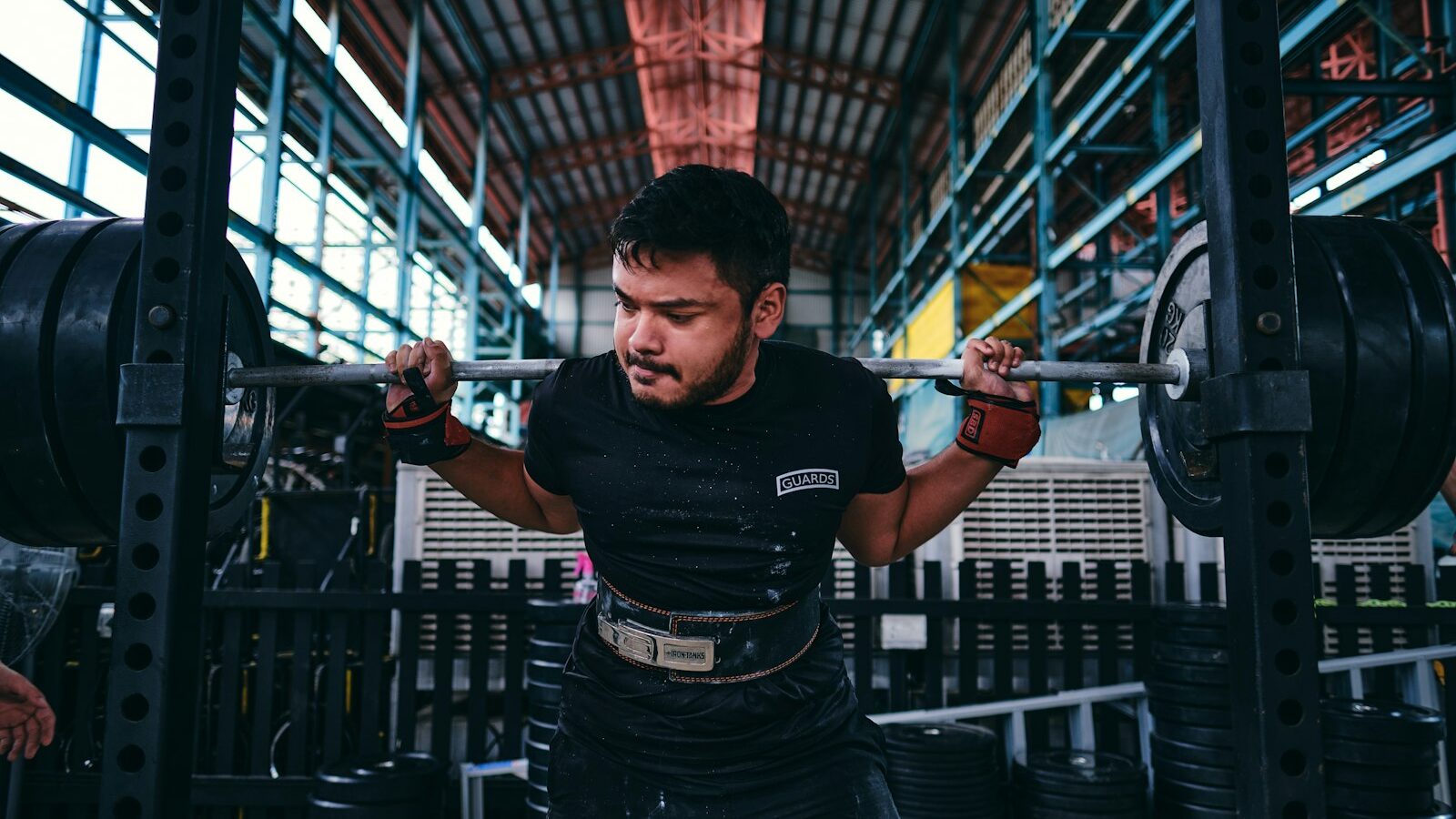
Your hands are the link between you and everything you lift, carry or hold, which is why grip strength singapore lifters often neglect deserves real attention. A stronger grip helps you lift more, carry more and hold on longer, and it supports everyday tasks from carrying groceries to opening a stubborn jar. This article is general fitness information, not medical advice. If you have a hand, wrist or elbow condition, are pregnant or are returning from injury, speak to your doctor or a qualified coach before starting new exercises.
Why Grip Strength Matters
For many people, the grip gives out before the target muscle does. When your hands tire during heavy rows or carries, you cannot fully work your back or legs, so a weak grip quietly limits the rest of your training. Strengthening your grip lets your bigger muscles do their job for longer.
Grip strength also has value well beyond the gym. It supports everyday tasks such as carrying shopping bags up to your flat, holding onto a rail on a moving train and managing heavy objects safely. A capable grip simply makes ordinary life feel easier and more secure.
There is also a joint and tendon angle. The hands, wrists and forearms are full of small structures that respond to sensible loading over time. Training them gradually can build resilience, provided you progress slowly and avoid overdoing it.
The Main Types of Grip
Grip is not one single quality. It helps to understand the main types so you can train them in a balanced way. Different everyday tasks and exercises call on different grips.
| Grip type | What it does | Everyday example | Training example |
|---|---|---|---|
| Crushing grip | Squeezing something in your palm and fingers | Shaking hands, wringing a cloth | Holding a loaded dumbbell tightly |
| Supporting grip | Holding onto something for time | Carrying shopping bags | Farmer style carries |
| Pinch grip | Gripping between fingers and thumb | Holding a stack of books flat | Pinching a plate or block |
| Wrist strength | Stabilising and moving the wrist | Carrying a heavy pan | Wrist curls and holds |
Most people benefit most from the supporting grip, since holding onto loads for time carries over strongly to daily life and to lifts like rows and deadlifts. The others are useful additions once the basics are in place.
Simple Exercises to Build Your Grip
You do not need specialist gadgets to start. Many effective methods use equipment you already have, or none at all. Begin light, keep your technique controlled, and add difficulty gradually.
- Loaded carries: hold a moderately heavy weight in each hand and walk for a set distance or time. This trains supporting grip, core and whole body stability at once.
- Dead hangs: hang from a sturdy bar with a firm grip for a comfortable number of seconds. Keep your shoulders active and stop before your hands slip.
- Timed holds: at the end of a set of rows or pulls, simply hold the weight still for a few extra seconds to build endurance.
- Towel work: loop a towel over a bar or handle and grip that instead, which makes your hands work harder.
- Wrist curls: use light dumbbells to gently strengthen the wrists and forearms through a comfortable range.
Two or three short sessions a week is plenty, and grip work fits neatly at the end of your normal training. Because the hands and forearms recover reasonably quickly, you can train them fairly often, but still leave enough rest that they are not constantly sore.
Common Mistakes to Avoid
The most frequent error is doing too much too soon. The forearms and tendons around the elbow can get irritated when you suddenly pile on heavy gripping, so patience pays off. Progress the way you would with any other lift, by adding a little at a time rather than large jumps.
Another mistake is only ever training the crushing type and ignoring balance. Just as you would not only train pushing muscles, it helps to train supporting grip, wrist strength and some finger work so everything develops together. A balanced approach also reduces the chance of overloading one small area.
Finally, do not confuse grip aids with grip strength. Straps and hooks have their place for very heavy pulling, but if you lean on them for everything, your hands never get stronger. Use them selectively, and let your bare grip do the work on lighter sets.
Fitting Grip Work Into Your Routine
The easiest approach is to bolt grip training onto what you already do. Carries can slot in at the end of a session, dead hangs can be done on almost any day, and timed holds add value to sets you are already performing. This keeps the extra time small while still delivering steady progress.
If you train for general fitness, a couple of grip focused finishers a week alongside your normal lifting is plenty. If you enjoy activities that already tax the hands, such as certain sports or climbing, you may find your grip develops naturally, so add dedicated work mainly to shore up any weak points.
As always, warm up your hands and wrists with some gentle movement first, especially before harder gripping. Stop if you feel sharp pain in the wrist, elbow or fingers, since these areas do not respond well to being pushed through pain, and get persistent discomfort checked.
The Bottom Line
Grip strength underpins almost everything you lift and carry, yet it is easy to overlook. Understand the main types of grip, train them in a balanced way with simple tools like carries, hangs and timed holds, and progress gradually to protect your hands and elbows. Avoid rushing, keep grip aids for genuinely heavy work, and respect any pain. Build your grip patiently and you will feel the payoff both in your training and in everyday life around Singapore.
Explore more
Kettlebell Training for Beginners
Strength Training for Beginners
Building Muscle in Singapore
Resistance Band Workouts