
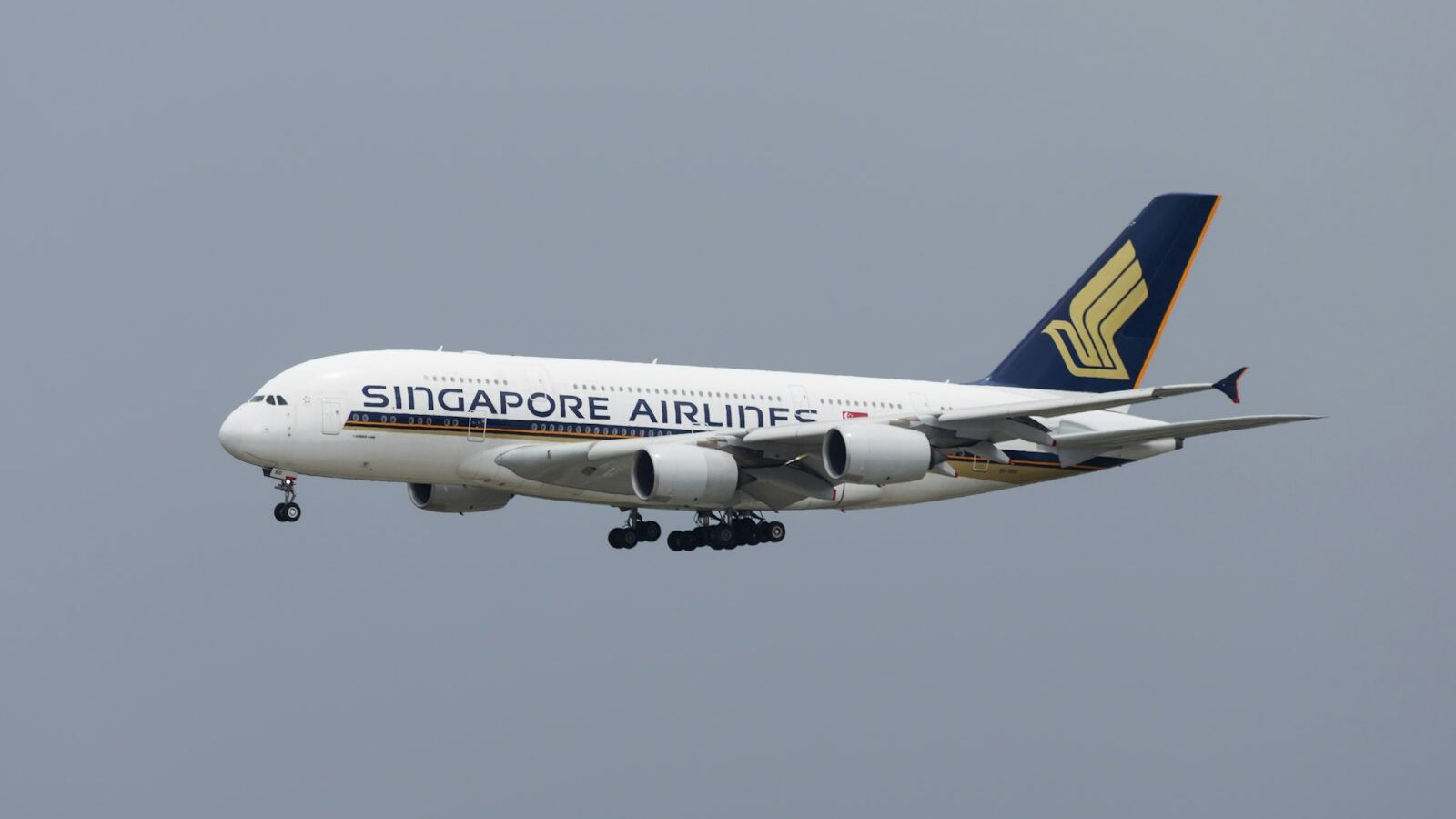
A long-haul flight from Singapore is a strange kind of privilege. Changi makes the departure smooth, but once you are ten hours into a twelve-hour leg to Europe or the United States, comfort has very little to do with the airline and a great deal to do with how you prepared. The good news is that comfort on a long flight is a skill, not luck. With a repeatable set of long-haul flight tips, you can turn a cramped economy seat into something you can actually rest in, and arrive able to enjoy the first day rather than losing it to a fog. This guide walks through what genuinely helps, from the days before you fly to the moment you step off at your destination.
A quick note before we start: this is general comfort and wellbeing advice, not medical advice. If you have a health condition, are pregnant, take regular medication, or have any concern about long flights and circulation, speak to your doctor or a travel clinic before you travel.
Set Yourself Up Before You Fly
Comfort begins on the ground, well before you reach the gate. In the day or two before a long-haul departure, sleep properly rather than staying up to “tire yourself out” for the flight. Arriving already exhausted makes the whole journey harder, not easier. Eat normally, keep hydrated in our tropical heat, and avoid a heavy, boozy meal the night before an early Changi departure.
What you wear matters more than most people expect. Choose loose, breathable layers, because the cabin often runs cold even when Singapore outside is sweltering. A pair of soft socks, a light jacket or shawl, and shoes you can slip off easily make a real difference over many hours. Pack a small in-flight kit in your carry-on so you are not digging through the overhead bin at cruising altitude: an eye mask, earplugs or headphones, a refillable water bottle, lip balm, a toothbrush, and any medication you might need. Empty your water bottle before security and refill it airside, so you are not relying only on the small cups the crew hand out.
Choose and Own Your Seat
The single biggest comfort lever is where you sit, and on a long-haul flight it is worth some thought. A window seat gives you something to lean against and control over the shade, which helps if you plan to sleep. An aisle seat lets you get up to stretch or visit the bathroom without climbing over strangers, which matters on a very long sector. Whatever you pick, try to avoid the very back rows near the galleys and toilets, where noise and foot traffic never really stop.
Use the tools available to you. Many airlines let you select seats at booking or check-in, and seat-map sites can flag which rows have limited recline or missing windows. If you are tall, exit rows and bulkhead seats offer more legroom, though they come with trade-offs such as fixed armrests or no under-seat storage. Booking early gives you the widest choice, so treat seat selection as part of buying the ticket rather than an afterthought.
Sleep, Hydration and Circulation at Altitude
Once you are airborne, three things decide how you feel: rest, water, and movement. Cabin air is famously dry, so sip water steadily through the flight rather than waiting until you feel thirsty. Go easy on alcohol and heavy coffee, both of which disrupt sleep and leave you more dehydrated. A simple rule is to keep your refillable bottle in the seat pocket and top it up whenever the crew pass through.
For sleep, work with your body rather than against it. If you are flying overnight towards Europe, try to rest during the flight; if you are flying into a morning arrival, a shorter nap may suit you better. Recline gently, use the eye mask and earplugs, support your neck with a travel pillow, and tell the crew not to wake you for meals if you would rather sleep through. Blue light from screens keeps you awake, so dim your phone and stop scrolling when you want to drift off.
Circulation is the part people neglect. Sitting still for many hours is not ideal for your legs, so get up and walk the aisle every couple of hours, flex your ankles and calves in your seat, and stay hydrated. If you are at higher risk of blood clots, ask your doctor beforehand about compression socks and any precautions that suit you. None of this is complicated, but doing it consistently is what separates a rough flight from a bearable one.
Comfort Kit Choices Compared
Not every gadget is worth the space in a carry-on, especially if you are travelling light. Here is a rough guide to the most common comfort items and when each earns its place. Treat it as a starting point rather than a rulebook, since preferences differ.
| Comfort item | Best for | Trade-off | Worth packing? |
|---|---|---|---|
| Neck pillow | Sleeping upright in economy | Bulky to carry when not in use | Yes, if you struggle to sleep |
| Eye mask and earplugs | Blocking light and cabin noise | Almost none, very small | Yes, nearly always |
| Noise-cancelling headphones | Constant engine drone, light sleepers | Cost and weight | Yes, if you fly long-haul often |
| Compression socks | Circulation on very long sectors | Fiddly to put on | Ask your doctor first |
| Footrest or inflatable pillow | Extra leg support | Limited use, takes space | Optional, personal preference |
The theme here is honesty about how you actually travel. If you never sleep on planes, invest in things that make waking hours pleasant. If you can sleep anywhere, prioritise anything that helps you drop off faster.
Land Ready: Arrival and Jet Lag
The last stretch of comfort happens after you land. In the final hour or two, freshen up, brush your teeth, and drink some water so you walk off the aircraft feeling human. If you moved your watch to the destination time at the start of the flight, your body already has a head start on adjusting.
Jet lag is easier to manage than to cure. On arrival, get into the local rhythm as fast as you sensibly can: seek daylight during the day, eat meals at local times, and try to stay awake until a reasonable local bedtime rather than crashing at 4pm. A short nap is fine if you are struggling, but keep it brief. Give yourself an easy first day, especially after a westbound haul that eats a full night. Within a day or two, most people settle, and the reward for all that preparation is a trip you can enjoy from the start rather than one you spend recovering from.
Explore more
Comfort starts with the right seat, so read our guide on choosing the best plane seat before you book. If your long-haul journey involves a change of planes, plan ahead with making tight flight connections, and to keep your carry-on comfort kit lean, see packing light and carry-on only.