
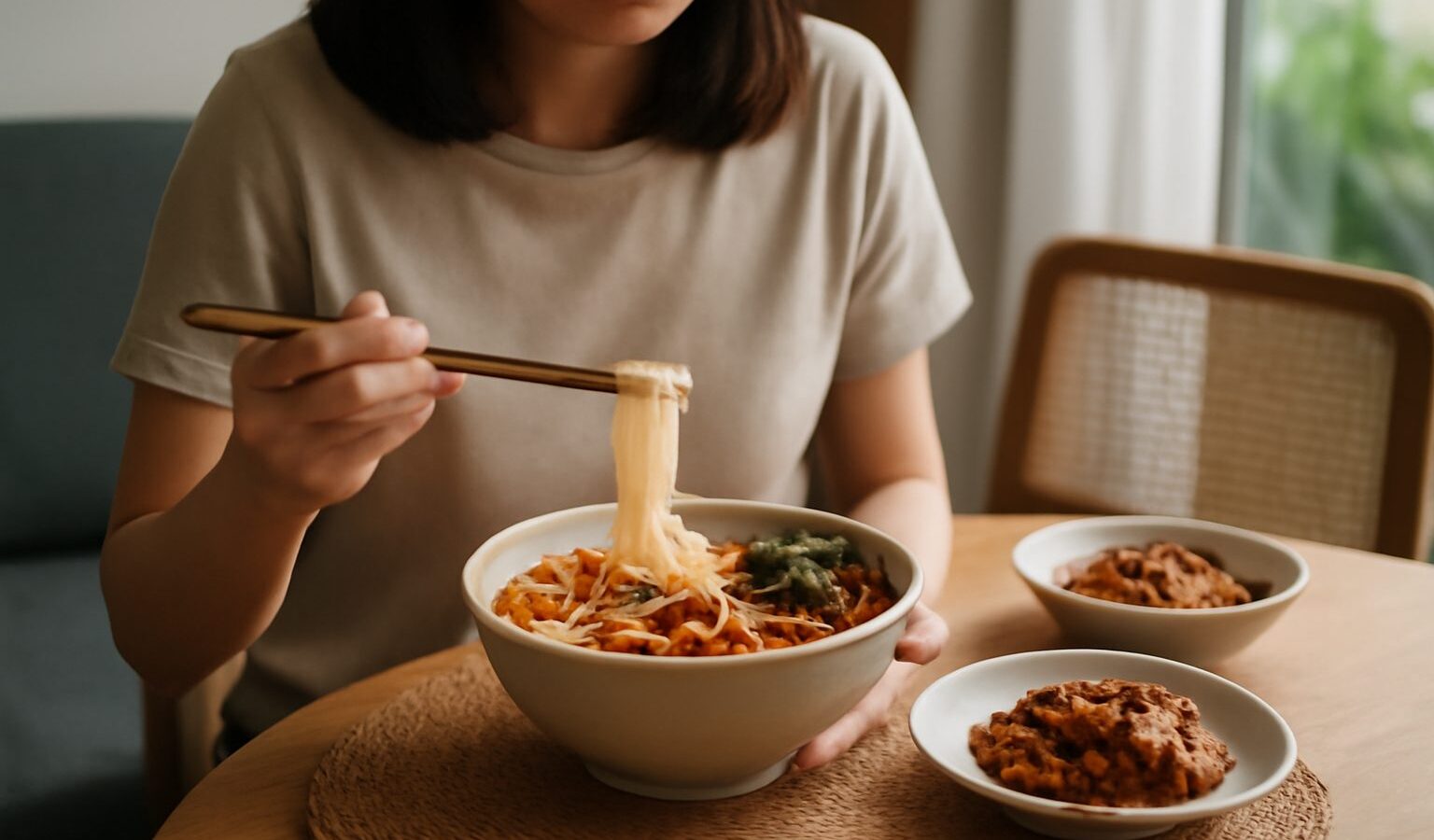
Few dishes divide a room quite like luosifen, and for many newcomers from Guangxi that unmistakable, funky aroma is pure comfort. If you have been searching for luosifen Singapore options, the good news is that this once niche noodle has ridden a wave of popularity across China and is now easier to find abroad than it used to be. This guide walks through what Guangxi cooking offers, where such food is typically found here, and a few honest notes on eating it in shared spaces.
As always, availability shifts quickly, so use this as a guide to what to look for rather than a fixed list. Check current listings before you head out.
What is luosifen, and what else does Guangxi offer
Luosifen is a rice noodle dish from Liuzhou in Guangxi. Its name points to the river snail broth at its heart, a soup simmered with snails, bones and spices to build a deep savoury base. The famous pungent smell, though, comes mainly from the pickled bamboo shoots that top the bowl. A proper serving pulls together springy rice noodles, that sour bamboo, peanuts, dried tofu skin, wood ear fungus, pickles and a generous slick of chilli oil. It is sour, spicy, crunchy and rich all at once.
Guangxi cooking is broader than this one dish, though, and a homesick diner has plenty else to look for:
- Guilin rice noodles, softer round rice noodles served with savoury braised gravy, pickled vegetables and often slices of pork, usually milder and less pungent than luosifen.
- Laoyou fen, an old friend noodle from Nanning, sour and spicy with fermented black beans, pickled bamboo and minced pork.
- Various rice noodle soups that show how central rice noodles are to the province’s everyday eating.
If your priority is that specific Liuzhou funk, ask for luosifen by name. If you want something gentler for a first outing, Guilin rice noodles are the friendlier introduction.
Where such food is typically found
Guangxi food in Singapore generally turns up in mainland Chinese run eateries and, increasingly, as an instant packet on supermarket shelves. Here is a sensible way to search.
| Where to look | What you tend to find |
|---|---|
| Mainland Chinese noodle eateries | Freshly cooked luosifen and Guilin rice noodles |
| Chinatown and areas with mainland shops | Small specialist noodle stalls and provision shops |
| Chinese supermarkets and provision shops | Instant luosifen packets to cook at home |
| Online and delivery apps | Search the dish name in Chinese and English to find newer shops |
| Chinese language social media | Recommendations from the mainland community |
The instant packet deserves a special mention. Bagged luosifen has become one of China’s best known instant foods, and Chinese supermarkets here often stock several brands. A packet typically bundles dried rice noodles with separate sachets of broth base, pickled bamboo, chilli oil and dried toppings. It is a reliable way to get the flavour at home when a freshly cooked bowl is not within reach, and it lets you control the chilli and the amount of that famous bamboo.
Eating luosifen considerately
There is no polite way around it: luosifen smells strong, and not everyone nearby will share your affection for it. In Singapore’s dense flats and shared offices, a little awareness goes a long way. If you are cooking an instant packet at home, switch on the extractor fan, open a window, and be mindful that the aroma travels and lingers. Many people avoid cooking it in shared pantries at work for exactly this reason. Enjoying it without upsetting the neighbours is simply good manners in close quarters.
Dietary and allergen notes
Traditional luosifen broth is made with river snails and pork bones, so it is neither vegetarian nor halal in its classic form. Guilin rice noodles and laoyou fen also commonly include pork. If you keep a halal, vegetarian or pork free diet, do not assume any of these dishes are suitable, and ask the eatery exactly what goes into the broth and toppings before ordering.
On allergens, the noodles themselves are rice based, which suits those avoiding wheat, but the sauces and seasonings often contain soy, and the broth may involve shellfish given the snails. Peanuts are a very common topping. If you have a shellfish, peanut or soy allergy, this is a dish to approach with real care, and reading the label on any instant packet closely is essential. Packet ingredients and their allergen declarations vary between brands, so check every new one.
Making the most of an instant packet
Because a freshly cooked bowl is not always nearby, learning to dress up an instant packet is a useful skill for a homesick cook. The bagged version gives you a solid base, but a few fresh additions lift it closer to the real thing. Blanched leafy greens, a handful of beansprouts, a soft boiled egg or some sliced luncheon meat all sit well in the bowl and turn a quick snack into a proper meal. Adding your own fresh pickled bamboo or an extra spoon of chilli oil lets you push the funk and the heat to your own liking.
Cooking the noodles correctly matters too. Most packets ask you to soak or boil the dried rice noodles until just tender, then combine them with the broth made from the sachets. Do not overcook them, as they should keep a springy bite rather than turning soft. Follow the timing on your particular packet, since brands differ, and taste before you add all the chilli oil, because some are considerably hotter than others. A little care turns a shelf stable packet into something genuinely satisfying, and once you find a brand you like, it is worth keeping a few in the cupboard for the evenings when only that familiar sour, spicy bowl will do.
Explore more
Where to Find Sichuan and Mala Food
Where to Find Hunan Food
Where to Find Shaanxi and Northwestern Food
Vegetarian Food in Singapore