
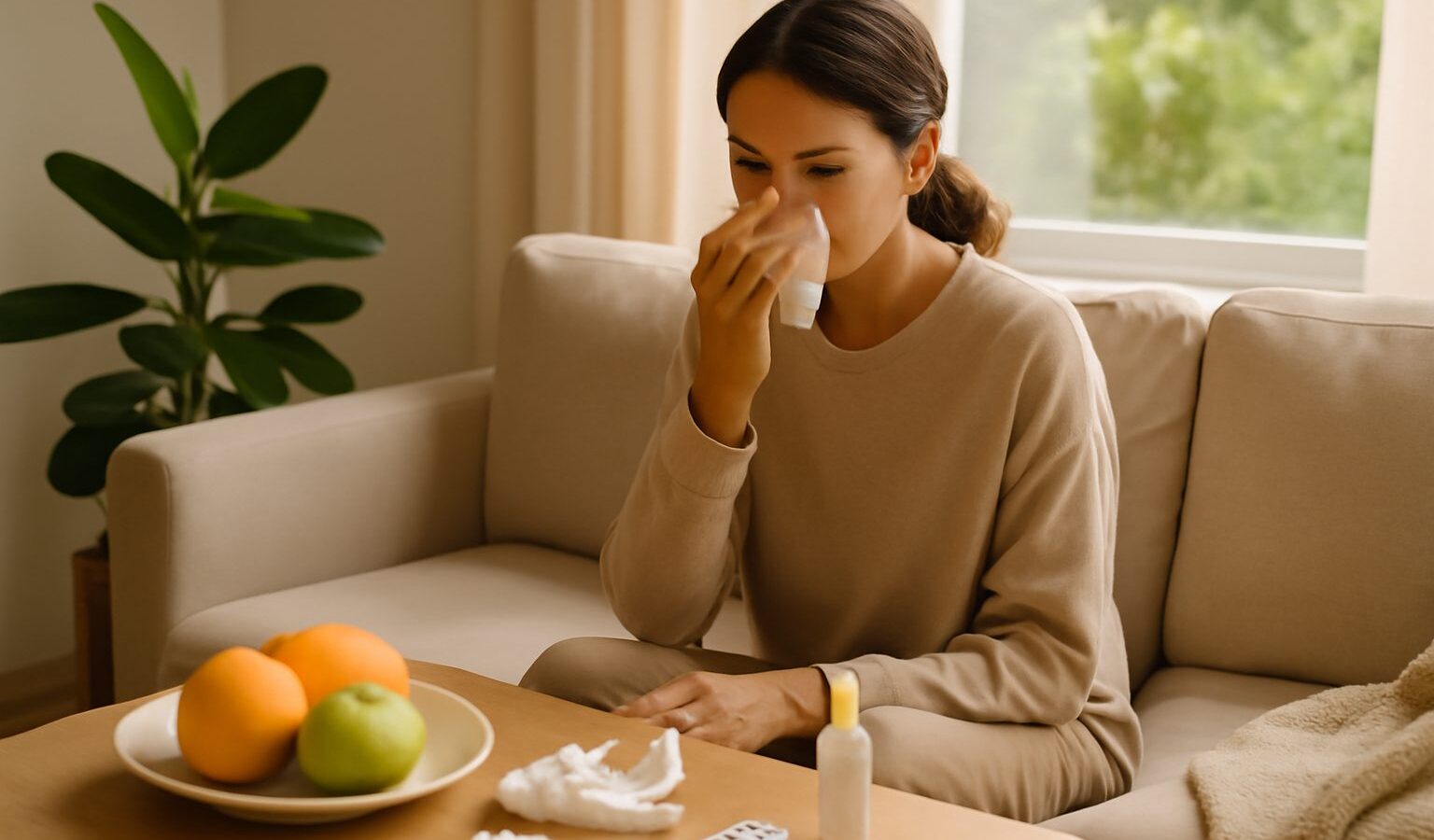
Living with allergies in Singapore is a common experience, from the sneezing and itchy eyes that come with dust to reactions triggered by certain foods or pets. Our warm, humid climate is comfortable for many of the things that set allergies off, so it helps to understand the usual triggers and how to reduce contact with them. Most allergies can be managed well with sensible everyday measures. This article is general information, not medical advice, so please use it as a guide and consult a doctor or the relevant specialist about your own situation, particularly if reactions are frequent or severe.

Common Allergies and Triggers Here
An allergy is the body reacting to something that is usually harmless, treating it as a threat. The triggers people react to vary widely, but a few come up often in Singapore’s homes and climate.
- Dust mites are one of the most common triggers here. They thrive in warm, humid conditions and live in bedding, mattresses, soft furnishings, and carpets.
- Humidity and mould, which can build up in damp corners, bathrooms, and poorly ventilated rooms, and can bother sensitive airways.
- Food allergies, such as reactions to shellfish, nuts, eggs, milk, or certain other foods, which can range from mild to serious.
- Pet allergies, usually a reaction to proteins in the skin flakes, saliva, or fur of cats, dogs, and other animals.
- Insect stings and certain plants or pollens, which affect some people more than others.
Reactions do not always mean the same thing, so if you are unsure what is triggering you, a doctor can help you work it out rather than guessing and cutting things out unnecessarily.
Common Signs to Look Out For
Allergy symptoms differ from person to person and depend on the trigger, but there are some general patterns. These are broad descriptions, not a diagnosis.
- Nose and eyes: sneezing, a runny or blocked nose, and itchy or watery eyes, often worse first thing in the morning with dust mites.
- Skin: itching, redness, hives, or flare-ups of eczema, which our humid climate can aggravate.
- Airways: coughing, wheezing, or a tight chest in more sensitive people.
- Stomach: with some food allergies, symptoms such as tummy upset, vomiting, or swelling around the mouth.
Mild symptoms that come and go are common. What matters is noticing your own pattern and being alert to the more serious signs described later, which need urgent care.
Everyday Avoidance and Environmental Measures
For many people, reducing contact with a known trigger is the most useful step, and much of this is about the home environment. These are general, widely-accepted measures rather than treatment for any individual.
- Tackle dust mites by washing bedding regularly in hot water, airing mattresses, and reducing clutter and soft furnishings in the bedroom where you can.
- Manage humidity with good ventilation, using exhaust fans, and keeping damp areas clean and dry to discourage mould.
- Keep surfaces clean by dusting with a damp cloth and vacuuming regularly, ideally with a filter that traps fine particles.
- Be mindful with pets by keeping them out of the bedroom, washing your hands after contact, and cleaning their areas often if someone reacts to them.
- Read food labels carefully and ask about ingredients when eating out if you have a known food allergy, so you can avoid your trigger with confidence.
Small, consistent habits usually work better than big one-off efforts. If avoidance alone is not enough, a doctor can advise on the next steps for your situation.
Working Out When to Get Help
It helps to know when everyday measures are enough and when to involve a professional. The table below is a general guide, not a diagnosis or a substitute for seeing a doctor.
| Situation | A reasonable general approach |
|---|---|
| Mild, occasional symptoms with a known trigger | Reduce contact, keep the home environment clean and dry |
| Symptoms that keep returning or affect daily life | See a GP to review triggers and a longer-term plan |
| Unclear trigger, or you are cutting out many foods | Get assessed rather than guessing, ask about allergy testing |
| Any severe reaction (see below) | Treat as an emergency, call 995 |
A GP or polyclinic doctor is a sensible first stop for ongoing allergies. They can help identify triggers, offer reassurance, and refer you to a specialist within the healthcare system if a fuller assessment is needed.
When a Reaction Is an Emergency
Most allergic reactions are mild, but a small number are severe and life-threatening. A serious whole-body reaction, known as anaphylaxis, is a medical emergency. Call 995 for an ambulance immediately if someone shows signs such as:
- Difficulty breathing, wheezing, or a tight or hoarse throat.
- Swelling of the lips, tongue, throat, or face.
- Sudden widespread rash or hives with feeling faint, dizzy, or collapsing.
- Fast heartbeat, pale or clammy skin, or a sense of something being seriously wrong.
- Vomiting, severe tummy pain, or a rapid worsening after contact with a known trigger.
Do not wait to see if it settles. If someone has been prescribed emergency medication for their allergy by a doctor, it should be used as they were instructed, and you should still call 995. People with known severe allergies should follow the personal emergency plan their doctor has given them.
When to See a Doctor
Even without a severe reaction, it is worth seeing a GP if your allergies keep returning, are not settling with everyday measures, disturb your sleep, or are affecting how you live and work. A doctor can help pinpoint triggers, discuss testing where useful, and guide a plan that suits you, including referral to a specialist if needed. Please remember this article is general information only, and a doctor or the relevant specialist is the right person to advise on your specific allergies.
Explore more
Because skin flare-ups are such a common part of allergies in our climate, our guides to eczema and Singapore’s humid climate and sensitive skin care in Singapore are helpful companions. For a broader look at staying well and keeping on top of your health, see our health screening in Singapore guide.
Frequently Asked Questions
Can I develop allergies as an adult? Yes. Allergies can appear at any age, even if you had none as a child. New symptoms after moving, changing jobs, getting a pet or after an illness are worth noting. A doctor can help work out whether an allergy is the cause.
How are allergies diagnosed? A doctor will usually start with your history and symptoms, and may suggest skin or blood tests, or a specialist referral. Do not self-diagnose from online tests or strict food elimination, especially in children. A professional assessment is the safest route.
Do air purifiers help with allergies? They may help reduce some airborne particles for some people, but they are not a cure and work best alongside other measures such as washing bedding regularly, controlling damp and keeping the home clean. Replace or clean filters as the maker advises.
How do I tell a cold from an allergy? Allergies often bring itching, sneezing and clear runny nose, usually without fever, and can last longer or recur with exposure to triggers. Colds usually pass within days. If symptoms drag on or you are unsure, ask a doctor.
Official sources: HealthHub