
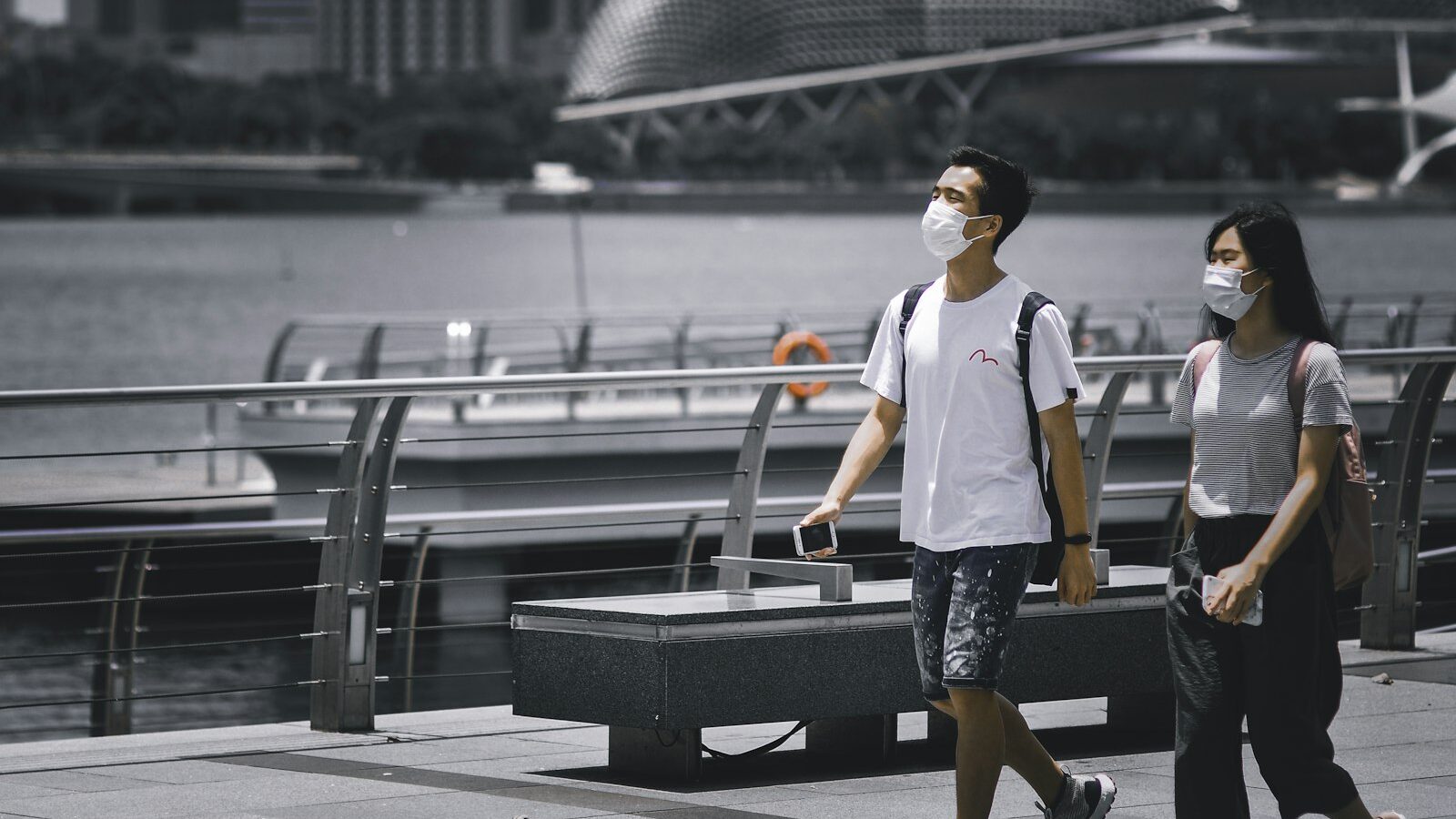
Many newcomers are surprised by how much their nose and eyes react in their first year here. Between year-round humidity, dust mites that thrive in warm homes, and the occasional smoky spell that drifts in from the region, allergies and haze Singapore throws at you can feel relentless. This guide explains, in plain terms, how the haze warning system works, what generally helps, and when a sniffle is worth a doctor’s visit. It is general information for settling in, not medical advice, so treat anything that worries you as a reason to see a professional.
If you arrived from a northern Chinese city, you may be used to winter smog measured in AQI and PM2.5. Singapore uses its own scale and its own authorities, so the first step is learning to read the local signals rather than the numbers you knew back home.
How the Haze and PSI System Works Here
Singapore measures air quality mainly through the Pollutant Standards Index, or PSI, published by the National Environment Agency (NEA). Haze episodes are seasonal and irregular, often linked to regional land and forest fires during drier months, so some years are barely affected and others bring several hazy weeks.
A few habits keep you informed without obsessing:
- Check the NEA website or the myENV app for the current PSI and the 24-hour forecast, especially before outdoor exercise.
- Note that PSI is reported in bands (for example good, moderate, unhealthy and beyond), and NEA issues health advisories for each band. Follow the current advisory rather than a fixed personal rule of thumb.
- Watch the 1-hour PM2.5 reading if you are deciding on short outdoor activity, since it reflects the here-and-now more than the 24-hour figure.
Because the exact thresholds and advice are reviewed by the authorities from time to time, take your cue from the live NEA advisory on the day rather than from an old chart a friend forwarded you.
Everyday Allergy Triggers Beyond the Haze
Haze grabs the headlines, but most newcomers react far more often to ordinary indoor triggers. The warm, damp climate is ideal for dust mites, mould and the odd cockroach allergen, and a flat that felt fine in a dry Chinese winter can feel very different here.
Common culprits include:
- Dust mites in mattresses, pillows, sofas and soft toys.
- Mould in bathrooms, around air-conditioning units and on damp walls.
- Pollen and plant matter, plus strong tropical scents from flowering trees.
- Pet dander, and residue from incense or heavy cooking in shared corridors.
Simple changes help a lot. Wash bedding regularly in hot water, keep humidity down where you can, service and clean your air-conditioner filters, and air out damp rooms. None of this replaces medical guidance if symptoms persist, but it removes the low-hanging fruit before you reach for medication.
Masks, Air Purifiers and What Actually Helps
When the PSI climbs into unhealthy territory, two tools come up again and again: masks and air purifiers. Both are useful, but only if you match them to the situation.
| Situation | Sensible response | Notes |
|---|---|---|
| PSI in the good to moderate band | Normal routine, stay hydrated | Vulnerable groups still watch how they feel |
| Hazy day, brief errands outdoors | Well-fitted N95 mask | A surgical or cloth mask filters fine haze particles poorly |
| Hazy spell, time spent indoors | Air purifier with a HEPA filter | Close windows; size the unit to the room |
| Persistent cough, wheeze or breathlessness | See a GP or polyclinic | Do not self-diagnose a chest infection or asthma |
A few pointers make these tools work harder. An N95 mask only protects if it seals against your face, so a loose fit or a beard gap undermines it. Air purifiers should carry a genuine HEPA filter and be rated for your room size, and the filter needs replacing on schedule. You do not need the most expensive model; you need the right size, used with the windows shut.
If you or a family member already lives with asthma, allergic rhinitis or eczema, hazy periods can flare these conditions. Keep any prescribed reliever inhaler or antihistamine stocked before the season, and ask your doctor for a written plan rather than improvising when the sky turns grey.
Looking After Children, Older Parents and Yourself
Some groups feel the haze more sharply, including young children, pregnant women, older adults and anyone with heart or lung conditions. If you have brought parents over on a long-term visit pass, they may be in exactly this group and may downplay symptoms out of habit.
During a hazy stretch, sensible steps include keeping strenuous outdoor activity for cooler, clearer days, running a purifier in the room where people sleep, and staying well hydrated. Schools and childcare centres in Singapore follow their own haze protocols set with guidance from the authorities, so check messages from your child’s centre rather than deciding alone.
Over-the-counter antihistamines and saline nasal sprays help many people with mild allergy symptoms, and a pharmacist at a community pharmacy can point you to suitable options. That said, medication choice for children, during pregnancy, or alongside existing prescriptions is a conversation for a doctor or pharmacist, not a guess based on a mainland brand you used before.
When to See a Doctor
Most allergy and haze symptoms are irritating rather than dangerous, but some signs deserve prompt attention. Treat the following as reasons to see a GP, visit a polyclinic, or in a severe case seek emergency care: breathlessness or wheezing that does not settle, chest pain, a high fever with a productive cough, or any sudden severe reaction such as facial swelling or difficulty breathing.
For ongoing or worsening allergies, a GP can assess you and, if needed, refer you to a specialist. HealthHub, run by the public healthcare system, is a useful starting point for locating clinics and understanding the public and private options. Newcomers on a Pass should also confirm how their insurance and any MediSave arrangements apply, since coverage differs between citizens, permanent residents and pass holders. When in doubt about your own health, see a doctor rather than relying on this or any other article.
Explore more
Knowing the system early makes hazy season far less stressful, so pair this with our guide to LifeSG and government digital services, which helps you find official health and environment updates in one place. If symptoms ever turn serious, read what to do in a medical emergency in Singapore, and for staying ahead of longer-term concerns see our guide to getting a health screening in Singapore.