
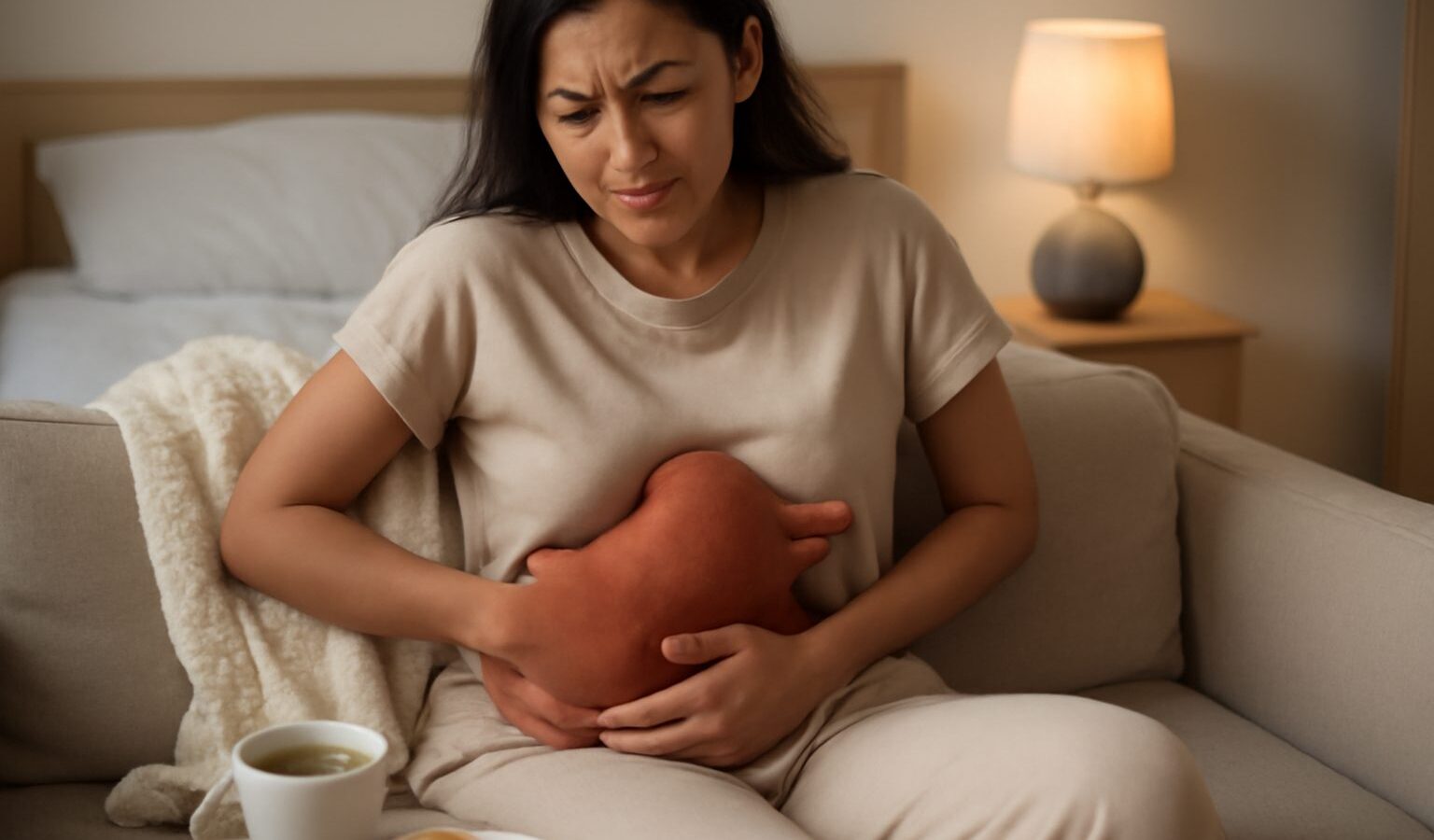
Most people who menstruate know the dull, cramping ache that arrives around the start of a period, and for many it is a monthly nuisance they simply work around. Learning to manage period pain singapore women deal with every cycle is partly about understanding why it happens and partly about knowing which comforts genuinely help. It is also about recognising when pain has crossed from ordinary into a signal worth taking to a doctor. This guide walks through both, calmly and without fuss.
This is general information, not medical advice, and it is not a tool for self-diagnosis. Everybody is different, and only a doctor can assess your symptoms and tell you what is going on for you.
Why cramps happen
Period cramps, known medically as dysmenorrhoea, are usually caused by the womb muscle contracting to shed its lining. Natural chemicals called prostaglandins drive those contractions, and higher levels tend to mean stronger, more painful cramping. The ache often sits low in the belly and can spread to the lower back and thighs. Some people also feel tired, headachy, loose in the bowels, or a bit low in mood in the days around their period, all of which is common.
For many, this everyday cramping eases within the first day or two and responds to simple self-care. Pain like this, that follows a familiar pattern and settles down, is usually described as primary dysmenorrhoea, meaning there is no underlying condition driving it. That is reassuring, but it does not mean you have to grit your teeth through it.
Gentle self-care that tends to help
There is no single magic fix, but several low-risk comforts help a lot of people feel more human on a difficult day.
- Warmth. A warm pack or hot water bottle against the lower belly or back can ease muscle cramping. In Singapore’s heat this can feel counterintuitive, so a warm shower or a heat patch under loose clothing may be more comfortable than a bulky bottle.
- Gentle movement. Light activity such as walking, easy cycling, stretching, or a slow yoga flow can loosen things up, even when lying down feels more tempting. Keep it gentle and scale it right down on a heavy day.
- Rest and sleep. Cramps and fatigue often travel together, so protecting your sleep in the days around your period is worth it. If rest is hard to come by, building better sleep habits in Singapore may help.
- Hydration and steady meals. Staying hydrated in our humid climate, and eating regularly rather than skipping meals, can take the edge off the bloated, sluggish feeling that sometimes tags along.
- Stress care. Pain can feel sharper when you are tense or run down. Slow breathing and a gentler schedule during your period are not indulgent, they are practical.
Over-the-counter pain relief helps many people, but which product suits you, how much, and how often is a conversation for a pharmacist or doctor, especially if you have a health condition, are pregnant, or take other medicines. This guide does not name medicines or doses on purpose.
When to see a doctor
This is the part that matters most. Ordinary period pain is common, but pain is not something you should simply endure if it is severe, changing, or interfering with your life. Please see a doctor if any of the following ring true.
- Period pain that is severe, or is getting noticeably worse over time rather than staying the same.
- Pain that stops you doing everyday things, keeps you off work or school, or is not helped by the usual comforts and over-the-counter relief.
- Periods that are very heavy, that last a long time, or that have changed markedly from your normal pattern.
- Bleeding between periods, after sex, or after menopause.
- Pain during sex, when passing urine, or when opening your bowels.
- Fever, feeling very unwell, unusual discharge, or a chance you could be pregnant.
Pain like this can sometimes be a sign of an underlying condition rather than run-of-the-mill cramping. Conditions such as endometriosis and PCOS can affect periods, and only a doctor can diagnose and manage them, so it is worth getting checked rather than assuming your pain is just something to live with. Severe, sudden abdominal pain, especially with faintness, fever, or heavy bleeding, needs urgent medical care, and in an emergency that means A&E or calling 995.
In Singapore you can start with a GP or polyclinic, who can assess you and refer you on if needed. If you would like the wider picture of cycles, hormones, and staying well, our overview of women’s hormonal health is a useful companion read.
The practical wrap-up
Everyday period pain is common, and warmth, gentle movement, rest, hydration, and steady self-care genuinely help most people feel better. Treat those comforts as your first line, and do not feel you have to soldier on in silence. The key thing to hold onto is that severe, worsening, or life-disrupting pain, or any of the red flags above, deserves a proper look from a doctor rather than another month of guessing. Listening to your body and getting checked when something feels off is not fussing, it is good sense.