
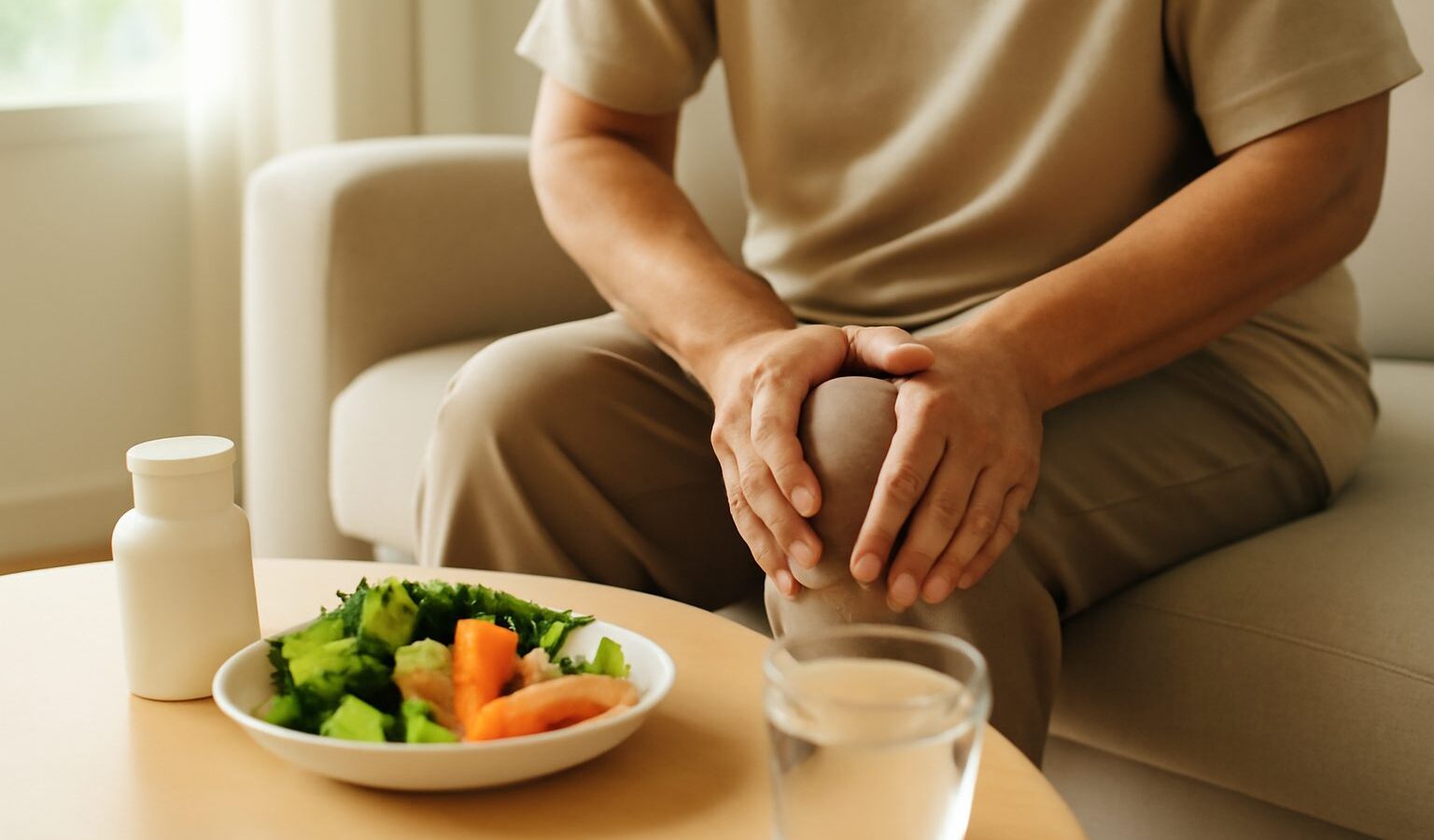
Stiff, aching or swollen joints can make everyday tasks feel harder, from climbing stairs to opening a jar. Many people looking into arthritis in Singapore assume it is simply an unavoidable part of getting older, but there is often a great deal that can be done to stay comfortable and active. This guide explains what arthritis is, the common types, how movement and weight management help, and when it is important to see a doctor.
A quick and important note first. This article is general information only. It is not medical advice and it is not a way to diagnose yourself. Joint pain has many possible causes, so please see a doctor at a GP clinic or polyclinic for a proper diagnosis and a management plan suited to you.
What Arthritis Actually Means
Arthritis is a broad word that simply means inflammation of the joints. It is not a single disease but an umbrella term covering many different conditions, and this is an important point. Because the types differ in cause and treatment, getting a proper diagnosis matters rather than assuming all joint pain is the same.
The main symptoms across many types include joint pain, stiffness, swelling and a reduced range of movement. Some people notice their joints feel worse first thing in the morning or after resting, while others feel it more after activity. The joints affected and the pattern of symptoms can vary widely from person to person.
Common Types of Arthritis
While only a doctor can tell you which type you have, it helps to understand that different forms exist. The most common type is generally the wear related kind that develops as the smooth cartilage cushioning the joints gradually thins over the years. This tends to affect joints such as the knees, hips and hands, and becomes more common with age.
Another important group is the inflammatory types, where the body’s own immune system mistakenly attacks the joints. These can affect people at a younger age and often involve several joints. There are other less common forms too. Because they are managed differently, a doctor’s diagnosis guides the right approach rather than guesswork.
| Feature | Wear related type | Inflammatory type |
|---|---|---|
| Usual onset | Often with age | Can be younger |
| Common pattern | Specific worn joints | Often several joints |
| Main driver | Cartilage wearing down | Immune system activity |
| Diagnosis by | A doctor | A doctor |
How Movement Helps
It might seem logical to rest a painful joint completely, but for most types of arthritis, gentle regular movement is genuinely helpful. Staying active helps keep the joints mobile, strengthens the muscles that support them and can ease stiffness over time. Complete inactivity often makes joints feel stiffer and weaker, which can worsen the experience.
Low impact activities are usually kindest to the joints. Walking, swimming, cycling and gentle stretching allow you to stay active without heavy pounding. Swimming and water based exercise are particularly gentle because the water supports your body weight. In our warm climate, indoor pools and early morning or evening activity can help you keep moving comfortably. The aim is steady, regular movement within your comfort rather than pushing into sharp pain. If a specific activity consistently aggravates a joint, ease off and seek guidance.
Why Weight Management Matters
Carrying extra body weight places additional load on weight bearing joints such as the knees and hips. Every step asks these joints to bear your body weight, so reducing excess load can noticeably ease pressure and discomfort for many people. This is one of the practical, everyday steps that can make a real difference.
Weight management works best alongside regular gentle activity and a balanced diet. There is no need for extreme measures. Small, sustainable changes to how you eat and move, kept up over time, tend to serve people far better than crash approaches. If you are unsure where to start, a doctor can point you towards sensible support.
Everyday Self Care
Beyond movement and weight, several simple habits help many people cope day to day. Applying warmth to a stiff joint, such as with a warm pack, can be soothing, while some people prefer a cold pack for a swollen, inflamed joint. Pacing your activities, so you break up demanding tasks with short rests, helps you avoid overdoing it.
Simple aids can make life easier too, such as supportive footwear with good cushioning, jar openers and other tools that reduce strain on painful joints. Keeping to a regular routine of gentle exercise, rather than occasional bursts, tends to work best. If you use over the counter pain relief, check with a pharmacist or doctor about what is suitable for you, particularly if you take other medicines or have other health conditions.
When to See a Doctor
You should see a doctor if you have joint pain that persists, joints that are swollen, red or warm, stiffness that lasts a long time in the morning, or symptoms that are getting in the way of daily life. A GP or polyclinic doctor can examine you, ask about your symptoms and, where needed, arrange tests to work out which type of arthritis you have. From there they can suggest a management plan or refer you to a specialist.
Getting a diagnosis early is helpful, especially for inflammatory types, where timely management can make a meaningful difference. Do not simply put ongoing joint pain down to age without having it checked. A physiotherapist can also be a valuable part of your care, guiding you through safe exercises and strengthening work tailored to your joints.
Staying Active and Positive
Living with arthritis is often about steady, sensible management rather than a single fix. Many people find that with the right mix of gentle movement, weight management, everyday self care and professional guidance, they can stay active and keep doing the things they enjoy. Progress may come gradually, and some days will be better than others, which is normal.
The most helpful approach is to work with a doctor on a plan that fits your particular situation, keep moving within your comfort and look after your joints with kind daily habits. With that combination, arthritis becomes something you manage rather than something that manages you.
Explore more
Caring for Your Knees and Joints
Getting Physiotherapy and Rehab Care
Stretching and Mobility for Fitness
Seeing a Specialist and Referrals