
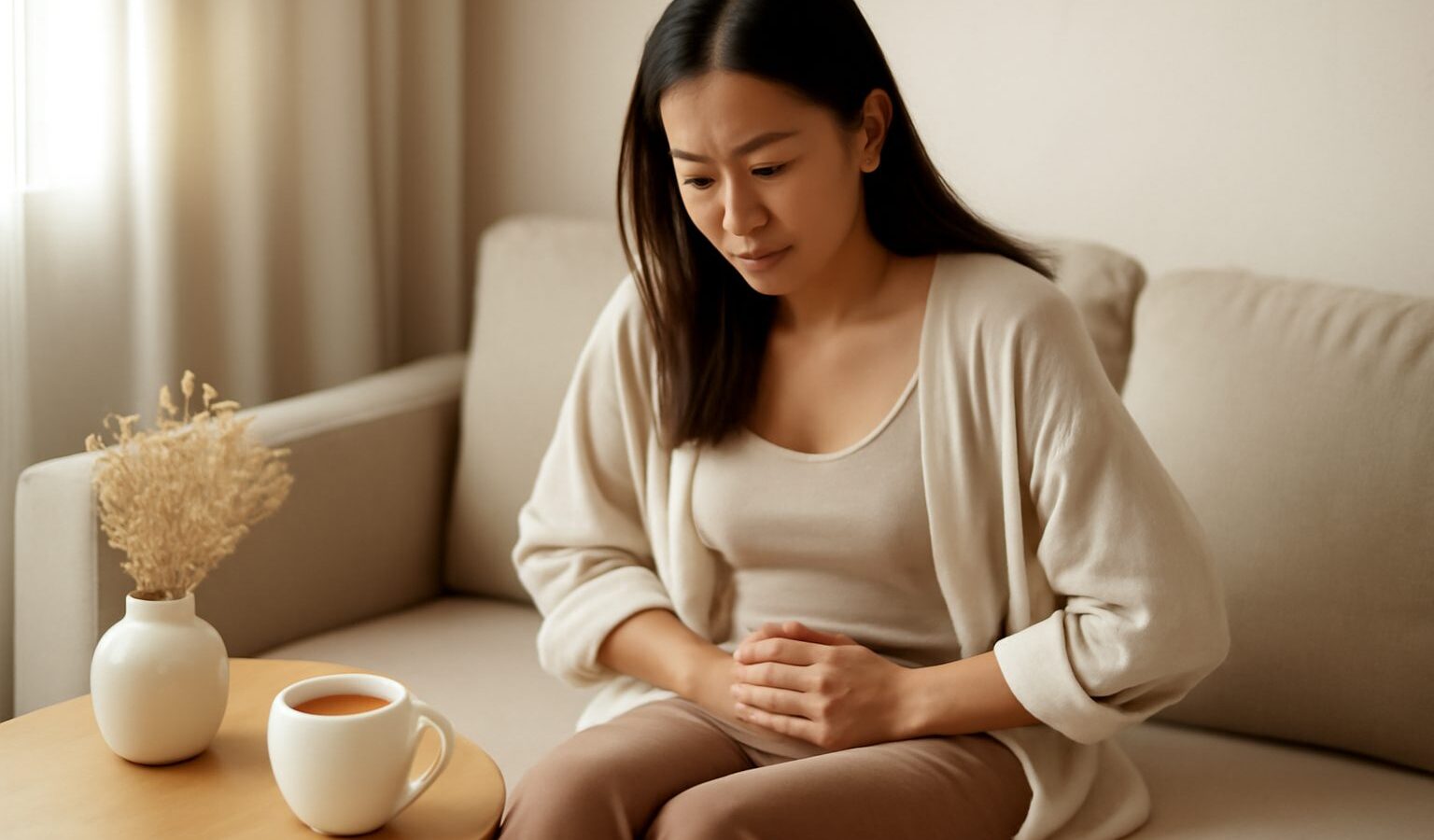
For too long, painful periods were dismissed as something women should simply put up with. Endometriosis is one reason that attitude does real harm. It is a genuine medical condition that can cause significant pain and other symptoms, and it deserves to be taken seriously. If you are reading about endometriosis in Singapore because your periods feel far more painful than seems normal, or because pain is affecting your daily life, please know that your experience is valid and worth investigating. This article is supportive, general information to help you understand the condition. It is not medical advice and not a way to diagnose yourself, because only a doctor can diagnose and manage endometriosis.
What Endometriosis Is
Endometriosis is a condition in which tissue similar to the lining of the womb grows in places outside the womb, such as around the ovaries, the fallopian tubes, or elsewhere in the pelvis. This tissue can respond to the monthly hormonal cycle much as the womb lining does, which can lead to inflammation, pain, and over time the formation of scar tissue. Exactly why it develops is not fully understood, and researchers are still learning about it.
The experience of endometriosis varies enormously. Some people have marked symptoms while others have few, and the amount of pain does not always match what is found during assessment. Commonly discussed symptoms include period pain that is severe enough to interfere with everyday life, pain in the pelvis at other times in the cycle, pain during or after sex, discomfort related to the bowel or bladder around your period, tiredness, and difficulty getting pregnant. Because several of these overlap with other conditions, none of them confirms endometriosis on its own, which is exactly why a doctor’s assessment is essential.
One of the frustrating features of endometriosis is that it can take time to diagnose, partly because symptoms are so variable and partly because painful periods have often been normalised. That is slowly changing, and greater awareness helps. If your instinct is telling you that your pain is not ordinary, that instinct is worth acting on. Understanding women’s health essentials can give you helpful language for the conversation, and our guide to managing period pain and cramps covers general self-care for everyday cramps, while being clear that severe or life-limiting pain is a reason to see a doctor.
Getting Support and Looking After Yourself
Because endometriosis is a medical condition with a range of management options, decisions about treatment belong with a doctor who can assess you properly. We are deliberately not naming medicines, doses, hormones, or supplements here, because those are individual clinical decisions, and starting anything on your own could do more harm than good. What we can offer is general, supportive context and a strong encouragement to seek professional care.
Living with pelvic pain can be draining, both physically and emotionally, and it is completely reasonable to want ways to cope while you get proper help. Gentle general wellbeing habits suit most people: moving your body in ways that feel manageable, prioritising rest and sleep, and finding realistic ways to ease stress, which can make pain harder to bear when it runs high. None of this treats endometriosis or replaces medical care, but it can support how you feel day to day. If you would like calm, practical starting points, our pieces on breathing exercises for stress relief and building better sleep habits are gentle and non-prescriptive.
The emotional side deserves acknowledgement too. Persistent pain, uncertainty, and worries about fertility can weigh heavily, and it is normal to feel frustrated, low, or anxious at times. You are not being dramatic, and you do not have to soldier on in silence. Talking to your doctor about how it is affecting you is entirely appropriate, and some people find support from loved ones or a counsellor genuinely helpful. If you are struggling, our overview of mental health resources in Singapore is there for you.
When to See a Doctor
See a doctor if you have period pain that interferes with your daily life, pelvic pain at other times, pain during or after sex, bowel or bladder symptoms linked to your cycle, or difficulty getting pregnant. You should also see a doctor if painful periods are getting worse over time, or if pain is affecting your work, studies, relationships, or mood. Do not wait until it becomes unbearable, and do not assume severe period pain is simply something to endure. Seek urgent care for sudden, severe pelvic pain, heavy bleeding, fever, or feeling faint, and in an emergency go to A&E or call 995.
A doctor can assess your symptoms, consider what might be causing them, arrange appropriate tests, and, if needed, refer you to a specialist such as a gynaecologist. If endometriosis is diagnosed, they can talk you through management options suited to your situation and goals. The essential message is that endometriosis is diagnosed and managed by doctors, and reaching out is a sign of self-respect, not fuss.
A Supportive Wrap-Up
Endometriosis is real, sometimes painful, and often under-recognised, but you do not have to make sense of it alone. Take severe or life-limiting period pain seriously rather than normalising it, resist self-diagnosis, and never start hormones or supplements on your own. Look after the gentle basics that help everyone feel a little steadier, be compassionate with yourself, and let a doctor lead on diagnosis and treatment. Speaking up about your pain is the first, most powerful step towards getting the care you deserve.