
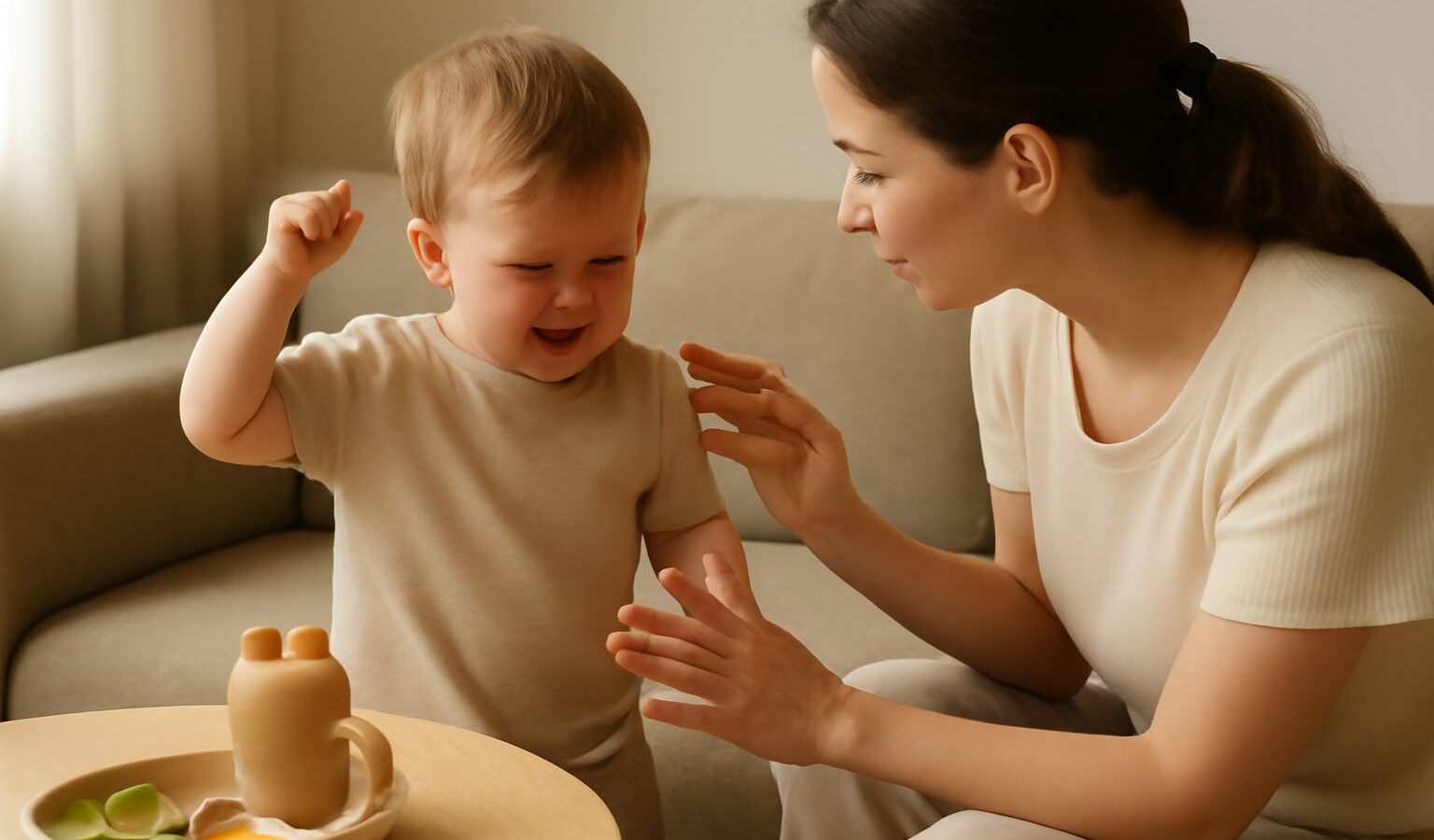
Few things fluster a parent quite like your sweet toddler suddenly hitting a friend at the playground, or biting a cousin at a family gathering. It can feel embarrassing and worrying, and you may wonder where this came from. If you are dealing with toddler hitting in Singapore, please know this is a very normal part of development, not a sign that you have raised an aggressive child or done something wrong. With calm, consistent responses, this phase does pass.
Why Toddlers Hit and Bite
Toddlers hit, bite, push, and grab for reasons that make sense once you understand their stage. Their feelings are huge, but their language and self control are still tiny. When a toddler feels frustrated, overwhelmed, tired, or overexcited, they often cannot find the words, so the feeling comes out through their body instead.
Common triggers include wanting a toy another child has, feeling crowded, being overtired, or simply being unable to express a big emotion. Sometimes toddlers also bite or hit to see what happens, exploring cause and effect just as they do with food or toys. None of this means your child is unkind. It means they are young and still learning how to handle strong feelings, which is a skill that takes years to grow.
In a busy Singapore setting, with playgroups, crowded playgrounds, and family gatherings where many little ones share space, these flashpoints come up often. Seeing the behaviour as communication rather than badness helps you respond in a way that actually teaches.
Calm and Consistent Responses
The way you respond matters more than any single incident. Big, angry reactions tend to frighten a toddler or, oddly, reward the behaviour with lots of attention. A calm, firm, and consistent approach works far better over time.
When your toddler hits or bites, try these steps.
- Step in calmly and stop the action, gently moving your child away or blocking the hand or mouth.
- Get down to their level and say clearly and simply, no hitting, hitting hurts, keeping your tone firm but not shouting.
- Give attention to the child who was hurt, which quietly shows that hurting others does not earn extra fuss.
- Help name the feeling behind it, such as, you were angry you wanted that toy, so your toddler slowly learns words for big emotions.
- Suggest what to do instead, like using words, asking for help, or coming to you when they feel upset.
Consistency across everyone at home makes a real difference. If parents, grandparents, and a helper all respond the same calm way, your toddler learns the message much faster. This steady approach runs through all toddler behaviour, and you may find this guide on getting your toddler to listen a useful companion.
Preventing Flashpoints
While you cannot avoid every incident, you can reduce how often they happen. Watch for the triggers that set your child off, and step in early before frustration boils over. A toddler who is getting tired or hungry has a much shorter fuse, so timing outings and playdates around naps and meals really helps.
During play with other children, stay close enough to spot trouble brewing, such as two toddlers eyeing the same toy. Gently redirecting or offering another activity before a grab turns into a bite can prevent many upsets. Teaching simple sharing and turn taking, in tiny, patient doses, gives your toddler better tools than hitting. Plenty of praise when they do use gentle hands or kind words encourages more of the same.
Big feelings sit at the heart of aggression, so anything that helps your toddler manage emotions helps here too. This guide to toddler tantrums and behaviour offers more ways to support your child through those overwhelming moments.
Looking After Yourself
It is easy to feel judged when your child hits another at a gathering, especially with relatives watching. Try to breathe, respond calmly, and remember that almost every toddler goes through this. You are not being judged as harshly as it feels, and modelling calm is itself a powerful lesson for your child. Never hit or bite back to show how it feels, as this only teaches that hurting is acceptable.
When to Seek Advice
For most toddlers, hitting and biting fade as language and self control grow over the coming months. But if the aggression is very frequent, intense, or lasting well beyond the toddler years, if your child often hurts themselves or others seriously, or if you feel worried and stuck, it is worth speaking to your doctor or a child psychologist. Reaching out is not a failure. It is a caring, sensible step, and early guidance can make a real difference.
In the meantime, stay patient and consistent, celebrate the gentle moments, and trust that your loving, steady responses are teaching your toddler exactly what they need to learn. This phase is hard, but it truly does pass.