
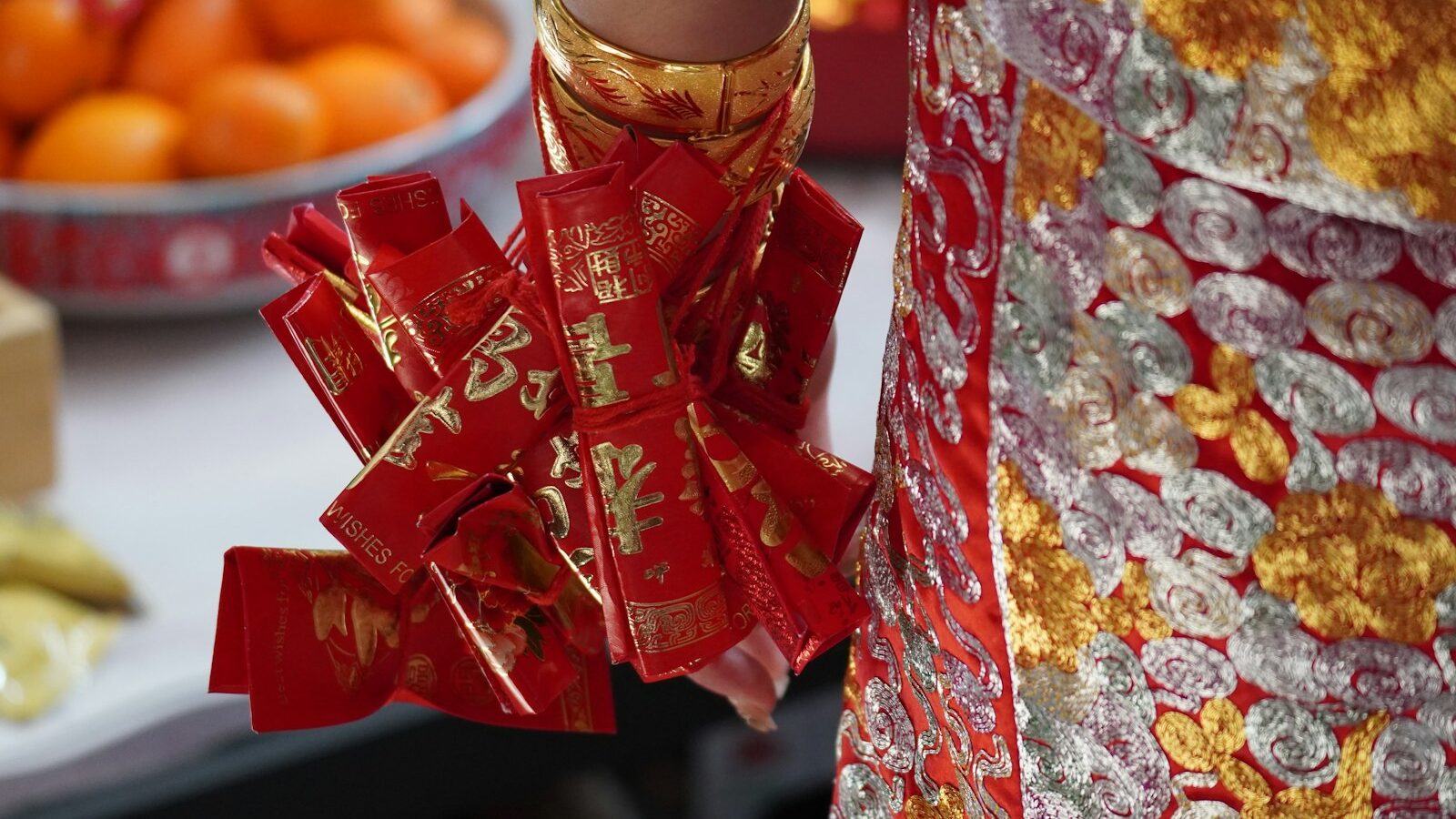
At many Singapore weddings, guests give money in a red packet, the ang bao (Hokkien for “red packet”, also written ang pow), as a warm gesture of blessing and a way to help offset the celebration. Handling wedding ang bao money gracefully, from collecting it on the day to recording, securing and eventually using it, spares you stress and helps you thank people properly. This guide offers general, practical information on managing gift money with care. It is not financial advice, and it deliberately avoids quoting any amounts, since what is appropriate is deeply personal and varies by relationship, community and circumstance.
The aim is simple: keep the money safe, keep clear records, and keep the focus on gratitude rather than accounting.
What Ang Bao and Gift Money Mean
An ang bao at a wedding is both a blessing and a practical contribution. Traditionally the amount reflects the giver’s relationship with the couple and, often, a sense of the celebration’s scale, but it is always a gift freely given, not a bill to be settled. Guests choose what feels right for them, and gracious couples receive every packet with the same thanks regardless of what is inside.
Not all gifts arrive as cash. Some guests prefer a present, a bank transfer, a contribution to a registry, or a voucher, and different communities have their own customs. The kind thing is to make giving easy and pressure-free, and to treat a heartfelt card with no cash as warmly as a generous packet. Money is a lovely help, but the presence of the people who care about you is the real gift.
If a friend or relative asks you quietly how these things work, it is fine to share general norms without turning it into an expectation. Keeping the tone light protects the goodwill that the custom is meant to express.
Collecting and Recording It Smoothly on the Day
On a busy wedding day, ang bao can pile up fast, so decide in advance who is responsible and how it will be handled. Most couples appoint one or two trusted people, often family members or a reliable friend, to manage the reception table where guests sign in and hand over their packets. A clear system prevents packets going astray in the excitement.
A few habits keep things smooth:
- Appoint a trusted handler and a backup, and brief them before the day.
- Provide a secure box or bag that stays with your handler, not left unattended on a table.
- Record as you go. Note each guest’s name against their gift so your thank-you notes can be accurate later.
- Keep packets sealed until later. Counting happens in private, not at the table.
- Coordinate with the guest book so names, gifts and messages line up.
Recording matters more than counting on the day. Knowing who gave what, or simply who attended and gave, lets you write sincere, personalised thanks afterwards. Many couples fold this into their broader planning, keeping the guest list and gift notes alongside the details on their wedding website or a private spreadsheet.
Keeping It Secure and Splitting It Fairly
Cash needs looking after. Once the celebration winds down, move the packets somewhere safe rather than leaving them in a hotel room or a car. Count in private, ideally with your partner and perhaps a parent you trust, and bank the money promptly rather than keeping large amounts of cash lying around. If your handler is holding the box, agree in advance when and how it will be passed to you.
Splitting and using the money calls for an honest conversation as a couple. If both families contributed to the wedding, or if certain relatives gave with a particular side in mind, talk openly about what feels fair. There is no single correct formula, only what the two of you, and sometimes your families, agree is right. The important thing is that you decide together and avoid quiet assumptions that turn into friction later. Money conversations set patterns for married life, so a calm, transparent approach now serves you well.
| Situation | A workable approach |
|---|---|
| Both of you paid for the wedding | Pool the gift money and decide jointly how to use it |
| Parents covered much of the cost | Discuss returning or sharing a portion out of respect |
| Gifts clearly meant for one side | Honour the giver’s intention, then talk it through together |
| A surplus after expenses | Agree a shared goal, such as savings or the honeymoon |
Saying Thank You and Using the Money Well
Gratitude is the whole point. Whether you send handwritten cards, thoughtful messages or small tokens, thank guests within a reasonable time and, where you can, mention something personal. Your records from the day make this genuine rather than generic. A warm thank-you leaves people feeling their kindness mattered, which it did.
When it comes to using the money, resist the urge to treat it as a windfall to splurge. Many couples put gift money towards wedding costs already incurred, their honeymoon, or the start of a shared savings goal such as a home. Because a wedding is only the opening of a longer financial partnership, it is wise to fold any surplus into sensible plans rather than new spending. This sits naturally with the mindset in financing your wedding without debt in Singapore, and with the calm budgeting we suggest when planning a destination proposal from Singapore.
Handled with care, wedding ang bao money becomes what it was always meant to be: a shared blessing that helps you start married life on steady, grateful footing. Keep it safe, keep good records, decide together, and let your thanks do the rest.
Explore more: financing your wedding without debt, planning a destination proposal from Singapore, and creating your wedding website.
Related across Sky Media: Attending a Singapore Wedding: Ang Bao and Etiquette · How to Plan Your Ang Bao Giving in Singapore