
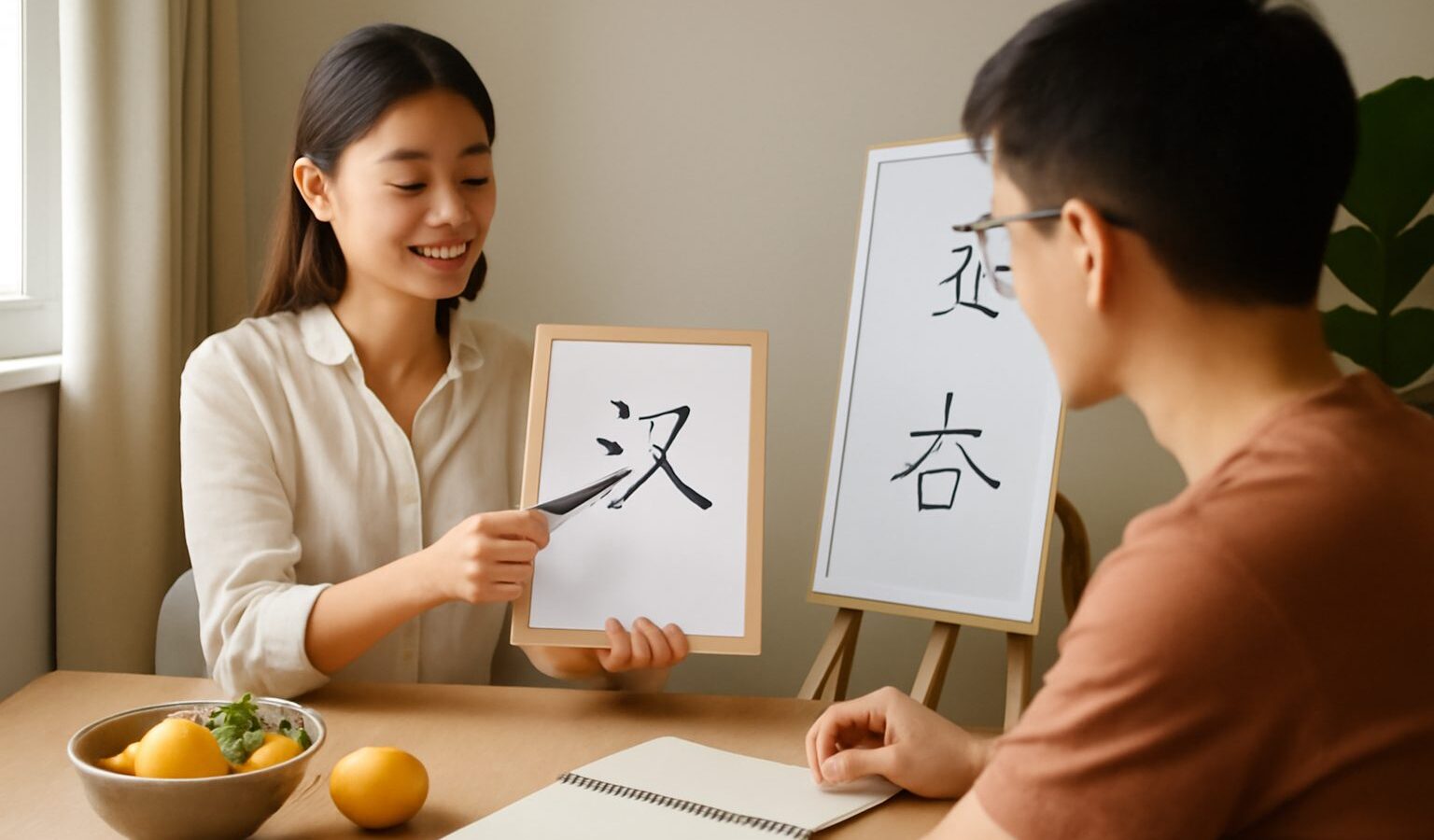
If you have recently moved from China, joining a hobby class is one of the easiest ways to relax, learn something new and meet people. The good news is that finding a mandarin workshop in Singapore is often easier than newcomers expect. English is the main working language here, but Mandarin is widely spoken, and many instructors are comfortable teaching in both languages. This guide focuses on hobby workshops where Mandarin speakers can take part comfortably, and how to check before you book.

Why Workshops Are a Good Way to Settle In
In China, you might join a class through your work unit, a neighbourhood community or a friend’s recommendation. Singapore works in a similar way, but the options are spread across community centres, private studios and cultural organisations.
Workshops offer several advantages for newcomers:
- Low pressure. A one-day or short course does not need a long commitment.
- Shared activity. Working with your hands gives you something to talk about, which helps if you are shy about making friends.
- Language practice. A bilingual class lets you learn local English terms while still understanding the instructions in Mandarin.
- Local knowledge. Classmates often share tips on food, schools and neighbourhoods.
If you are also choosing where to live, our guide to Mandarin-friendly neighbourhoods in Singapore explains where Mandarin is heard most in daily life, which often matches where Mandarin-taught classes are easier to find.
Workshop Types Where Mandarin Speakers Feel at Home
Some kinds of workshops are more likely to be taught in Mandarin, or bilingually, because of their audience or cultural roots. This table gives a general picture. It describes common patterns, not guarantees, so always check with the organiser.
| Workshop type | How often Mandarin is used | Good for |
|---|---|---|
| Chinese calligraphy and ink painting | Often taught in Mandarin or bilingually | Calm, traditional hobbies and cultural connection |
| Tea appreciation and tea ceremony | Frequently offered in Mandarin | Social, relaxed sessions with tasting |
| Baking, cooking and dim sum making | Mixed; some classes run in Mandarin | Practical skills and meeting families |
| Pottery, candle making and crafts | Usually English, some bilingual instructors | Hands-on creativity and photos to share |
| Flower arrangement and terrarium making | Mixed; ask about the language | Gifts, festive decorations and home décor |
| Dance, tai chi and qigong | Often Mandarin, especially for older learners | Gentle exercise and community |
For exercise-based classes in more detail, see our guide to Mandarin-speaking fitness classes in Singapore.
Where to Find Mandarin-Friendly Workshops
You do not need personal connections to find a class. These are the main places to look:
Community clubs and onePA
Community clubs (CCs) are neighbourhood centres run under the People’s Association, a government statutory board. They are similar in spirit to a 社区活动中心. Their courses are listed on the onePA website and app, where you can search by interest and location. Many listings mention the language of instruction, and courses aimed at seniors or traditional arts are commonly taught in Mandarin. Fees and availability vary by course, so check each listing.
Cultural and clan organisations
Singapore has many Chinese clan associations and cultural groups, some of which run classes in calligraphy, music, Chinese opera or festival crafts. Activities are often held in Mandarin or a Chinese dialect. Some classes are open to the public, while others may prefer members, so ask first.
Private studios and independent instructors
Private workshop studios run classes in pottery, baking, leather craft, painting and more. Most teach in English, but some instructors are bilingual and will say so on their booking page or social media. Searching in Chinese on social media platforms you already use, such as Xiaohongshu (小红书), can turn up reviews and posts from other Mandarin-speaking participants in Singapore.
Libraries and community events
The National Library Board runs talks and hands-on sessions at public libraries, including some in Chinese. Look at the programme listings on the NLB website and filter by language where available.
For a wider list of services in Chinese, our directory of Mandarin services in Singapore is a useful starting point.
How to Check the Teaching Language Before You Book
A class described as “bilingual” can mean different things. To avoid disappointment, check these points:
- Read the full listing. Look for words like “conducted in Mandarin”, “华语授课” or “bilingual (English and Mandarin)”.
- Message the organiser. A short message such as “请问这个课程可以用华语讲解吗?” is perfectly acceptable. Most organisers reply in whichever language you write in.
- Ask about materials. Handouts, recipes or safety instructions may be in English only. Ask if a Chinese version is available, or bring a translation app.
- Check the class mix. In a mixed-language class, the instructor may explain in English first and then repeat key points in Mandarin.
- Confirm the practical details. Check the age range, what is included, what to wear, and the cancellation and refund terms before paying.
Tips for Enjoying a Mixed-Language Class
Even if a class is mainly in English, you can still enjoy it fully.
- Learn a few local terms. Words like “kiln”, “glaze” or “proof” (for dough) come up often. Knowing them in advance makes the class easier.
- Expect Singapore-style Mandarin. Local Mandarin uses some different vocabulary and mixes in English and Malay words. Our article on Singaporean Mandarin vs Mainland Mandarin explains the differences so nothing surprises you.
- Sit near the front. It is easier to watch demonstrations and ask questions.
- Be open about your language level. Instructors are usually happy to slow down or show you directly.
- Swap contacts. Many classes form WhatsApp groups afterwards, which is a common way to keep in touch here, much like WeChat groups at home.
Making Workshops Part of Your New Routine
Once you find a class you enjoy, consider signing up for a longer course or a different workshop with the same organiser. Regular classes turn classmates into friends and give your week a rhythm, which helps a lot during the first months after a move.
School holidays and festive seasons, such as the Mid-Autumn Festival and Chinese New Year, are popular times for themed workshops like lantern making or festive baking. These often fill quickly, so book early and check details directly with the organiser. Above all, do not wait until your English feels “good enough”. Many Mandarin speakers in Singapore started exactly where you are, and a friendly class is a great place to begin.
Further reading: Mandarin-Friendly Parent-Child Activities in Singapore