
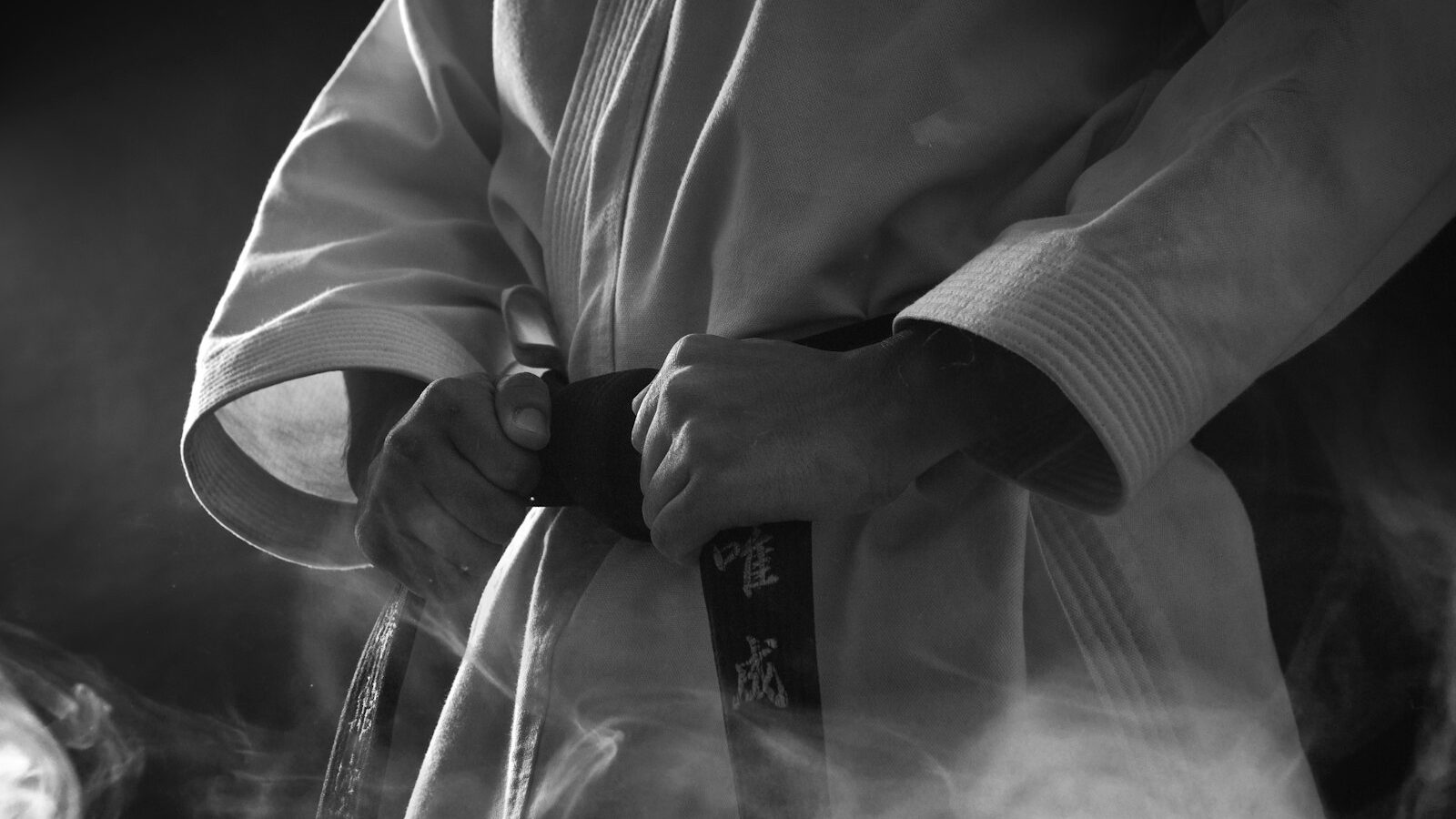
Taking up martial arts in Singapore gives you three things at once: a serious workout, a practical skill, and a community that keeps you coming back. The island has a deep and varied scene, from Brazilian jiu-jitsu and Muay Thai to boxing, taekwondo and traditional styles, taught everywhere from full-time academies to community clubs. This guide explains what the main disciplines involve, what a typical class looks like, how to choose a gym, and how to start safely so your first month builds a habit rather than an injury.
The Main Disciplines and What They Offer
There is no single best martial art, only the one that fits your goals, body and temperament. It helps to know the broad families before you commit.
Brazilian jiu-jitsu (BJJ) is a grappling art focused on ground control and submissions. It rewards technique and leverage over size, which is why it suits smaller and older beginners, and it has a large, welcoming community here. Expect plenty of close contact and problem-solving.
Muay Thai, the art of eight limbs, uses punches, kicks, elbows and knees. It is an outstanding conditioning workout and is widely taught across the island, from beginner-friendly fitness classes to hard-sparring fight gyms.
Boxing keeps things simple and sharp with hands only, and it delivers excellent cardio, footwork and coordination. Many people start with non-contact or light-contact boxing purely for fitness before deciding whether to spar.
Taekwondo and karate are structured striking arts with belt systems, forms and clear progression, which makes them especially popular with children and families who value discipline and milestones.
Wing chun, wushu and other traditional styles appeal to those drawn to heritage, forms and a more measured pace, and several are taught within community and cultural groups.
Mixed martial arts (MMA) blends striking and grappling and tends to suit people who already have some base and want the full picture.
Comparing Popular Options
Choosing among martial arts singapore beginners can find easily often comes down to contact level, fitness demand and how child-friendly a style is. The table gives a quick overview.
| Discipline | Focus | Contact level | Cardio demand | Good for kids |
|---|---|---|---|---|
| Brazilian jiu-jitsu | Grappling, ground | High (controlled) | High | Yes, dedicated classes |
| Muay Thai | Striking, all limbs | Adjustable | Very high | Older children |
| Boxing | Hand striking | Adjustable | High | Older children |
| Taekwondo | Kicking, forms | Low to moderate | Moderate | Yes, very popular |
| Wing chun | Close-range striking | Low to moderate | Moderate | Teens and up |
Use this as a rough guide rather than a verdict. Contact level in particular varies hugely between gyms, so a “fitness” Muay Thai class and a competitive one are very different experiences under the same name.
What a Typical Class Looks Like
Walking into your first session is far less intimidating once you know the shape of it. Most beginner classes follow a familiar arc.
- Warm-up. Skipping, mobility drills, shadow boxing or light movement to raise the heart rate and loosen the joints.
- Technique. The coach demonstrates a move or combination, then you drill it with a partner at a controlled pace.
- Practice rounds. Pad work, bag work or positional drills where you apply the technique with more intensity.
- Sparring, when appropriate. Beginners usually spar only after some weeks, and reputable gyms keep early sparring light and supervised.
- Cool down. Stretching and often a debrief from the coach.
You are not expected to be good on day one, and no decent gym expects it. Partners at beginner level are generally patient because they were beginners recently too. Trial classes are common, so try two or three gyms before committing to one.
Choosing a Gym and Managing the Cost
The gym matters as much as the art. A good coach, a friendly room and a sensible location will keep you training far longer than a fancy logo.
When you visit, look for these signs of a healthy gym:
- Qualified, attentive coaches who correct technique and watch for safety rather than just running the clock.
- A clean facility with well-maintained mats and equipment, which matters a great deal for grappling arts where skin contact spreads infection.
- A beginner pathway with fundamentals classes, so you are not thrown straight into advanced sparring.
- A culture that fits you, whether that is competitive, fitness-focused or family-friendly.
- Transparent pricing with a trial class, so you can test before you sign anything.
Costs vary widely. Full-time private academies charge monthly memberships, while ActiveSG and community clubs under the People’s Association network sometimes run more affordable term-based classes, particularly for taekwondo and children’s programmes. Watch for lock-in contracts and joining fees, and ask what is included before signing. Fees and schedules change over time, so confirm current rates directly with the gym or on the ActiveSG app.
Starting Safely and Staying Injury-Free
Martial arts are physically demanding, and the most common reason beginners quit is an avoidable injury in the first few weeks. A little caution goes a long way.
Ease in gradually rather than training every day from a standing start, and let your body adapt to new movements. Basic protective gear such as gloves, shin guards, a mouthguard and, for grappling, appropriate attire, reduces the risk of knocks and dental damage; ask the gym what you actually need before buying. Tap early and often when you are learning to grapple, because ego is what turns a training session into a strain. Stay hydrated, and give minor niggles time to settle instead of training through pain.
If you are pregnant, are returning from injury or surgery, or have a heart, joint or back condition, speak to a doctor before starting a contact sport, and tell your coach about any limitation so they can adapt the drills. For children, choose age-appropriate classes and check that supervision and safety standards are sound.
This article is general information and is not personalised medical advice. Confirm what is safe for your body with a doctor or a qualified professional, and verify current class details with the provider before enrolling.
Explore more
Martial arts sit within a broader fitness picture, so see our guide to the best gyms in Singapore if you want to build the strength and conditioning that support your training, and our home workout guide for the days you cannot make it to the gym. To find affordable classes and facilities near you, read our overview of using ActiveSG facilities.