
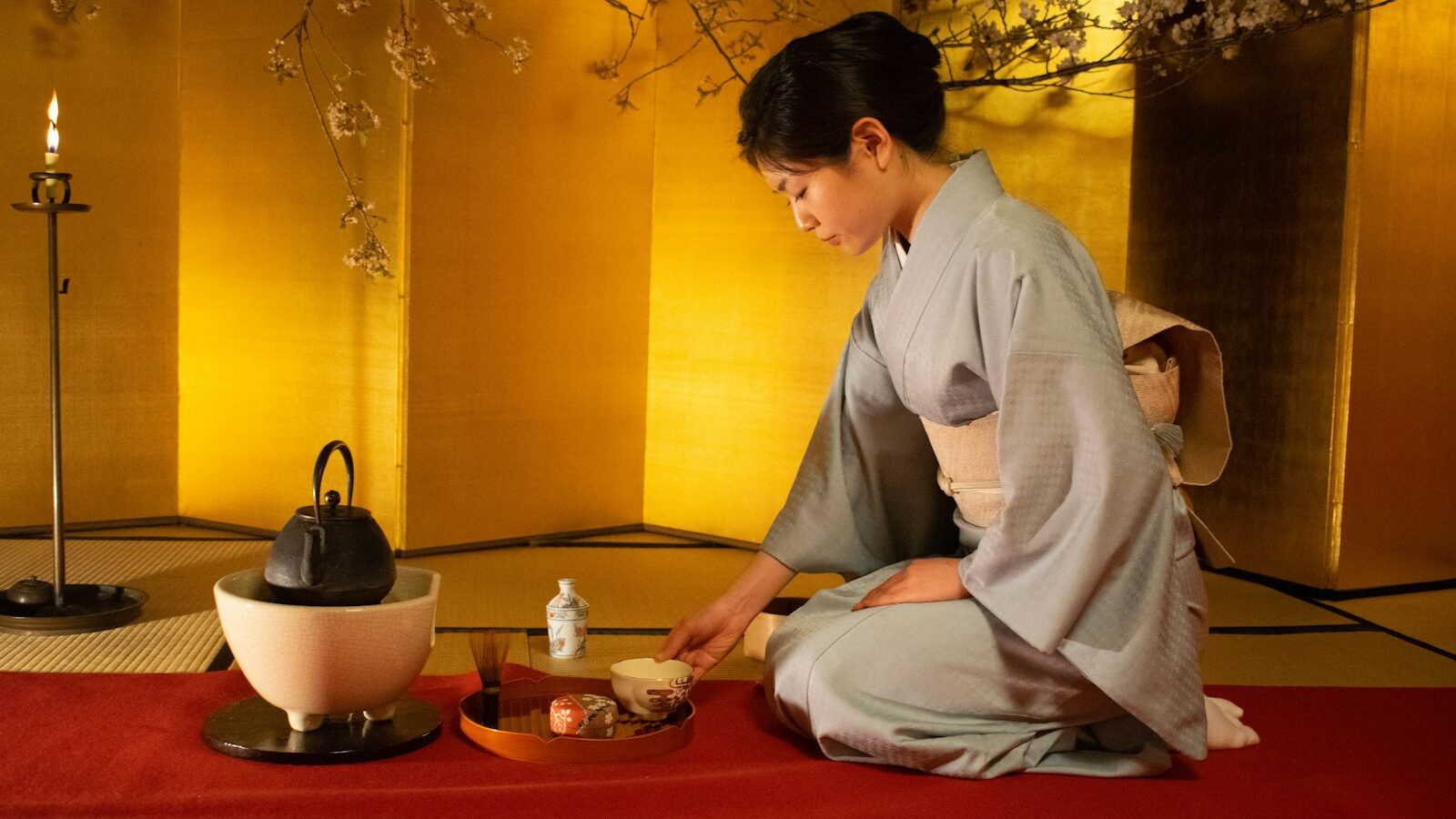
There is a quiet magic in the moment powdered green tea meets hot water and blooms into a bright, frothy bowl. Preparing matcha in Singapore has grown from a niche interest into a beloved home ritual, and it is one of the most calming hobbies you can pick up. Beyond the drink itself sits a whole philosophy, the Japanese tea ceremony, built on attention, hospitality, and stillness. You do not need a tatami room or years of training to begin. You need a whisk, a bowl, good tea, and a few unhurried minutes.
What Matcha and the Tea Ceremony Really Are
Matcha is finely ground green tea powder made from shade-grown leaves. Unlike ordinary tea, where you steep leaves and discard them, with matcha you whisk the whole powdered leaf into water and drink it, which gives that vivid colour and full flavour. There are broadly two grades to know. Ceremonial grade is smoother and meant to be whisked with just water. Culinary grade is stronger and more bitter, made for lattes, baking, and cooking. Buying the right grade for your purpose saves both money and disappointment.
The Japanese tea ceremony, known as chanoyu or sado, is the formal art of preparing and serving matcha as an act of mindful hospitality. It is guided by principles often summarised as harmony, respect, purity, and tranquillity. Full ceremony is a lifelong study with precise choreography, but its spirit, being fully present as you make a bowl of tea for yourself or a guest, is something anyone can bring home. Most home hobbyists here practise everyday whisking rather than formal ceremony, and that is a perfectly lovely place to live.
What You Need to Start
The traditional kit is beautifully simple and stores easily in a small flat:
- A chawan, the wide tea bowl, though any wide, deep bowl works to begin with.
- A chasen, the bamboo whisk, which is the one tool that truly makes a difference to the froth.
- A chashaku, the bamboo scoop, or simply a small measuring spoon.
- A fine sieve to break up clumps, since matcha loves to lump in our humid air.
Good matcha is the ingredient that matters most. Buy a small tin of a fresh, well-reviewed ceremonial grade to start, keep it sealed and cool away from light, and use it within a few weeks of opening because matcha fades quickly once air gets to it. In Singapore’s humidity, an airtight container in the fridge, brought to room temperature before opening to avoid condensation, keeps it fresher for longer.
How to Whisk a Bowl
The basic method is quick to learn and endlessly refinable. Sift a small scoop of matcha into your warm, dry bowl. Add a little hot water, not boiling, since water that is too hot makes matcha bitter. Around eighty degrees is the usual guide, so let a freshly boiled kettle rest a minute or two.
Then whisk. Hold the chasen lightly and move it briskly in a W or M shape rather than a round stirring motion. You are trying to beat air in, not just mix. After fifteen or twenty seconds you will see a fine, even froth rise. Whisk from the wrist, keep it light, and lift the whisk gently at the end to leave a smooth surface. Sip and notice the taste. Adjust your powder and water next time until it suits you.
Do not fret if your first bowls are lumpy or thin. Everyone’s early matcha is. The whisk motion becomes second nature within a week or two of daily practice.
The Mindful Side of the Hobby
What draws many people to matcha is not just the taste but the pause it creates. The small ritual of sifting, whisking, and sitting quietly with a warm bowl is a genuine antidote to a busy Singapore week. Treat it as a few minutes of calm rather than a task to rush, and the hobby gives back far more than caffeine.
A gentle note on that caffeine: matcha contains a fair amount, since you consume the whole leaf, so keep an eye on how many bowls you have in a day, especially in the evening. It is best enjoyed as a considered treat rather than drunk endlessly.
How to Get Better and Go Deeper
As you grow more comfortable, you can explore thicker preparations, seasonal sweets served alongside, and the etiquette of serving a guest. Reading about chanoyu history and the meaning behind each movement deepens the whole experience. If formal ceremony calls to you, some cultural associations and tea schools in Singapore offer classes and demonstrations where you can learn under proper guidance.
If the wider world of tea appeals, matcha pairs beautifully with other leaf hobbies. You might enjoy the broader craft covered in tea appreciation as a hobby, or the creative fun of tea blending at home. Those who like the meditative, food-focused side of matcha often also take to flower arranging and ikebana, which shares the same unhurried Japanese aesthetic.
Where to Find Matcha and Tools in Singapore
Japanese supermarkets, specialty tea shops, and dedicated online sellers stock ceremonial and culinary matcha, whisks, and bowls at a wide range of prices. Start with an affordable set and a small tin of decent tea rather than splurging on the finest grade before you know you love it. Cultural centres and tea houses occasionally run tastings and introductory sessions worth seeking out.
Making matcha at home is a small daily luxury that asks little and gives a great deal of calm. Set out your bowl, warm your whisk, and take those few unhurried minutes for yourself. In the quiet swish of bamboo against tea, you may find one of the most peaceful hobbies Singapore has to offer.