
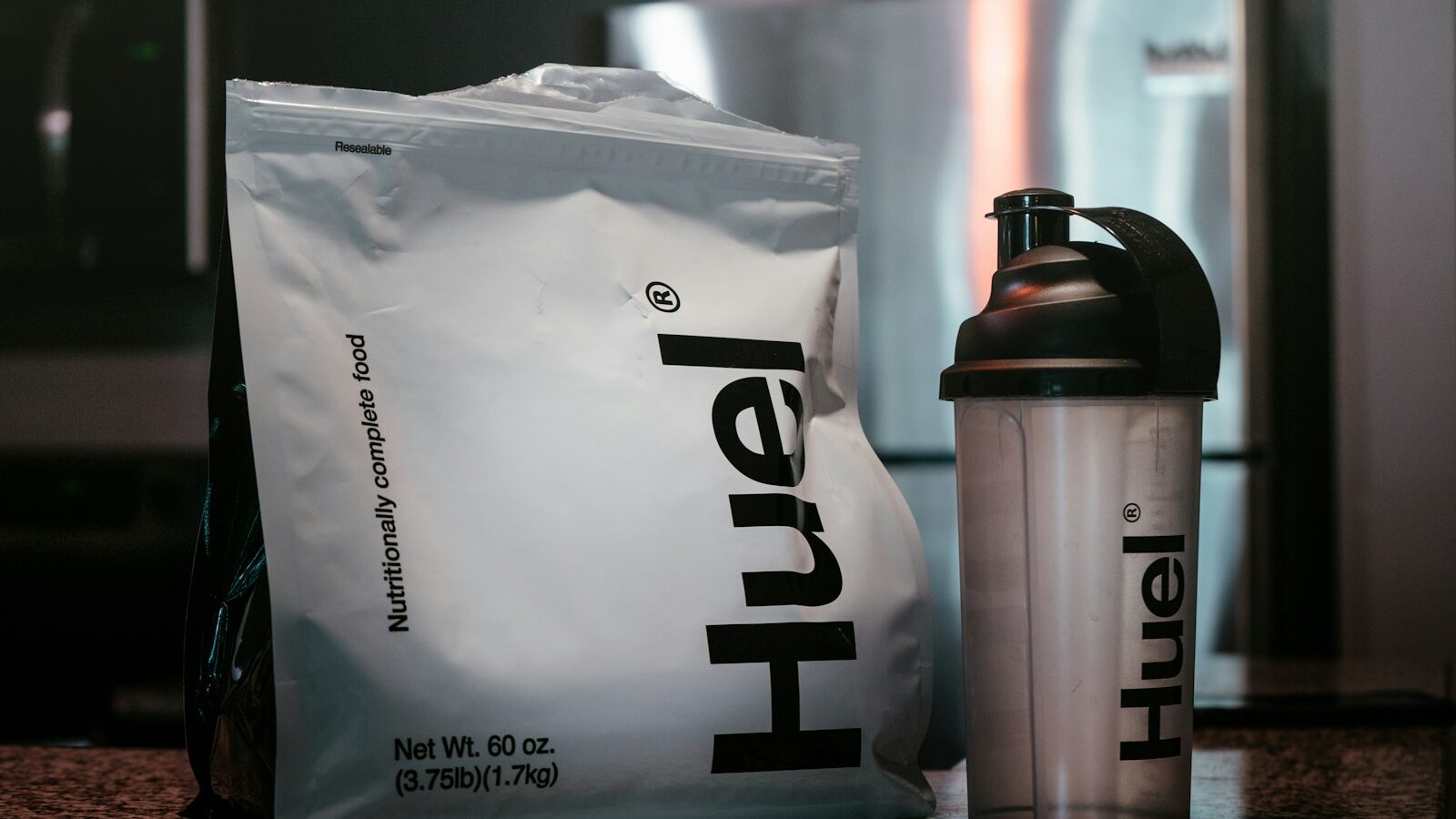
Walk through any pharmacy or supermarket aisle and you will spot rows of powders and ready-to-drink bottles promising a full meal in a cup. Meal replacement shakes in Singapore have become a familiar sight, marketed at busy professionals, gym-goers, and anyone who feels short on time. They can be convenient in the right situation, but they are best understood as a tool, not a shortcut. This guide walks through what these shakes actually are, where they can fit into a normal week, and the honest limits you should keep in mind before making them a habit.
The most important thing to say up front is simple. A meal replacement shake is general nutrition support, not medical or dietary advice, and it is not a replacement for real, varied meals over the long term. If you are pregnant, breastfeeding, managing a health condition, or on medication, it is worth checking with a doctor, pharmacist, or dietitian before leaning on shakes regularly.
What Meal Replacement Shakes Actually Are
A meal replacement shake is a drink designed to stand in for a full meal, usually delivering a controlled amount of energy along with protein, carbohydrates, fats, and a spread of added vitamins and minerals. That is what separates them from a plain protein shake, which is mostly protein and not meant to replace a whole meal.
Formats vary. Some come as powders you mix with water or milk, others as ready-to-drink bottles you grab and go. The appeal is obvious in a fast-paced city. When you are rushing between meetings, stuck on a packed MRT, or skipping breakfast because you are running late, a shake can feel like an easy answer.
It helps to think of them in two broad groups. The first is the convenience shake, aimed at people who simply want something quick and reasonably balanced. The second is the weight-management shake, marketed as part of a calorie-controlled approach. Both share the same basic idea of a portion-controlled, nutrient-added drink, but the marketing around the second group tends to make bigger promises. Be sceptical of any product suggesting dramatic, rapid results, because sensible weight management is gradual and built on everyday habits rather than a single product.
Where They Can Genuinely Help
Used sensibly, a shake can solve real problems. If your alternative is skipping a meal entirely or grabbing something with very little nutritional value, a balanced shake is often the better call. A few situations where they can earn their place:
- Genuine time pressure. On a morning when breakfast is not happening otherwise, a shake beats an empty stomach or a sugary snack.
- Appetite or convenience gaps. Some people struggle to eat early in the day, and a drink can be easier to get down than a plate of food.
- Portion structure. For anyone trying to eat more mindfully, a pre-measured option removes some guesswork, though it does not do the work for you.
- Travel and busy stretches. During hectic periods, a shake can bridge a gap until you can sit down to a proper meal.
Notice the theme. In every case the shake is filling an occasional gap, not becoming the foundation of how you eat. That distinction matters more than any label on the packaging.
Why They Are Not a Substitute for Real Meals
Whole foods bring things that are difficult to bottle. Chewing real food, the fibre in vegetables and wholegrains, the natural mix of nutrients and plant compounds, and the simple satisfaction of a meal all play a role in how well you eat and how full you feel. Relying on shakes for most of your meals can leave you missing that variety, and it does little to build the everyday cooking and food skills that support health for the long run.
There is also the satisfaction factor. Drinking your calories tends to be less filling than eating them, so some people feel hungry again sooner and end up snacking more later. A shake can quietly become an extra rather than a genuine replacement.
For the bigger picture on how meals fit together, our guide to nutrition basics is a useful grounding, and if weight is your focus, how to manage your weight healthily takes a more sustainable, food-first angle.
Keep a few honest points in view. These products are supplements in spirit, not regulated like medicines, so quality and formulation vary between brands. They are not a cure for anything and cannot fix an otherwise unbalanced diet. And if you find yourself wanting to replace most of your meals for a long stretch, that is a conversation to have with a professional rather than a decision to make alone. A registered dietitian can look at your full situation, and our overview of seeing a dietitian in Singapore explains how that works.
A Sensible Way to Use Them
If you decide shakes have a place in your routine, keep it simple. Treat them as an occasional stand-in rather than a daily default. Aim to still eat a range of real meals across the week, with plenty of vegetables, fruit, wholegrains, and protein you actually chew. Read labels with a calm eye, and be wary of grand claims. And listen to your body. If a shake leaves you hungry and snacking an hour later, a real meal was probably the better choice that day.
Singapore makes balanced eating genuinely achievable, from hawker stalls where you can ask for less oil or more vegetables to easy home cooking. Shakes can support a busy life, but the goal is always the same. Let real, varied food do most of the work, and let the shake be the backup, not the plan.