
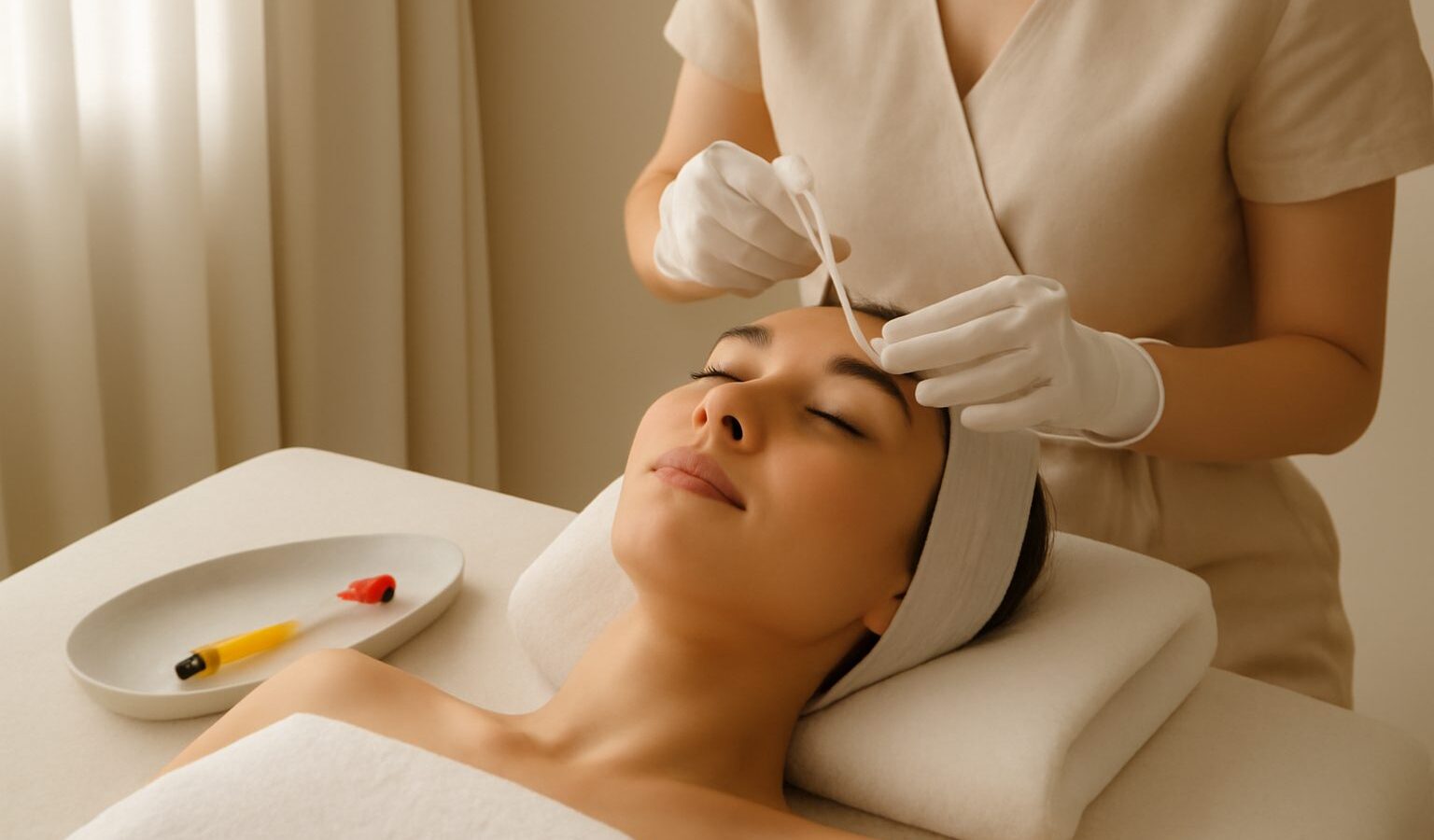
If you have looked into injectable skin treatments, you have likely come across two names that often appear together. Mesotherapy in Singapore and the so called “vampire facial” using platelet rich plasma, or PRP, are both treatments that deliver substances into or just beneath the skin with the aim of refreshing and rejuvenating it. This guide explains what each one involves, how they differ, what the evidence looks like, and why these are treatments that must be done by a qualified medical professional.
This is general information, not medical advice. Both treatments are medical procedures involving needles and, in the case of PRP, your own blood. In Singapore they should only be performed by qualified, MOH registered medical practitioners at a proper clinic after a proper consultation. Please do not attempt anything like this outside a legitimate medical setting.
What mesotherapy involves
Mesotherapy is a technique in which a series of tiny injections deliver a mixture of substances into the mesoderm, the layer just under the surface of the skin. The exact contents of the mixture vary depending on the goal and the practitioner, and may include ingredients such as vitamins, hyaluronic acid or other actives intended to hydrate and improve skin quality. On the face and neck it is usually marketed for skin hydration, brightness and a general fresh appearance, and some providers also offer versions aimed at the scalp.
Because it is delivered through many small injections, mesotherapy is a clinical procedure rather than a spa facial, even though it is sometimes bundled under the word “facial”. A qualified doctor should assess your skin, discuss what is realistic, choose an appropriate formulation, and carry out the injections using proper sterile technique. Treatments are often done as a course spaced out over several weeks, with maintenance sessions afterwards.
An honest note on evidence is important here. The scientific support for mesotherapy varies depending on what is being injected and what outcome is claimed. Some people report smoother, more hydrated looking skin, but robust, high quality evidence is mixed and results differ from person to person. It is reasonable to be interested in the treatment, but be cautious of anyone presenting it as a guaranteed or dramatic solution, and ask what specifically is being injected and why.
What a PRP facial involves
PRP stands for platelet rich plasma, and the treatment uses a component of your own blood. A small sample of blood is drawn, much like a normal blood test, then spun in a centrifuge to concentrate the platelets and plasma. This concentrated PRP is then applied to the skin in combination with microneedling, or injected, with the idea that growth factors in the platelets may support the skin’s natural repair and collagen processes.
Because it uses your own blood, PRP appeals to people who like the idea of a treatment that does not introduce a foreign filler or synthetic substance. It is commonly promoted for overall skin quality, fine texture, a fresher look, and sometimes for the scalp in the context of hair. The nickname “vampire facial” comes from the use of blood, though the reality is a clinical, sterile procedure rather than anything dramatic.
The same honesty about evidence applies. Research into PRP for skin and hair is ongoing and the quality varies, so while some people are pleased with the results, outcomes are not guaranteed and depend on the individual, the technique and the number of sessions. Just as importantly, because PRP involves drawing, handling and reapplying your own blood, hygiene and proper medical handling are absolutely critical. Poor practice, unclean equipment or shortcuts carry a genuine risk of infection, which is one of the strongest reasons to only ever have this done in a legitimate medical clinic.
| Feature | Mesotherapy | PRP facial |
|---|---|---|
| What is delivered | A mixture such as vitamins or hyaluronic acid | A concentrate made from your own blood |
| How | Series of small injections into the skin | Blood draw, spun down, then microneedled or injected |
| Marketed for | Hydration, brightness, skin quality | Skin quality, texture, sometimes the scalp |
| Key requirement | Qualified doctor, sterile technique | Qualified doctor, strict blood handling and hygiene |
| Evidence | Varies by formulation, mixed | Ongoing, varies, not guaranteed |
Risks, suitability and choosing safely
Both treatments involve needles, so some side effects are expected and usually temporary. These can include redness, swelling, bruising, tenderness, pinpoint bleeding and small bumps at injection sites, which typically settle over a few days. More serious risks, though less common, include infection, allergic reactions to injected substances, and problems arising from poor technique or unhygienic conditions. This is precisely why the identity and qualifications of the person treating you matter so much.
Some people are not suitable candidates. Active skin infections, certain skin conditions, some medical conditions, bleeding disorders, and pregnancy are examples where these treatments may be inadvisable, and a proper medical history is needed to screen for them. A responsible doctor will ask about your health, medications and expectations, explain the likely benefits and the limits, and tell you clearly if a treatment is not right for you rather than simply selling a package.
When choosing where to go, the single most important safeguard is that a qualified, registered medical practitioner performs the procedure in a proper clinic. Look for clear information about who will treat you and their credentials, sterile single use needles, and, for PRP, correct blood handling. Be wary of unusually cheap deals, treatments offered outside a medical setting, pressure to commit to large packages, and anyone promising dramatic, permanent or guaranteed results. If something feels rushed or evasive, it is reasonable to walk away and seek a second opinion.
To sum up, mesotherapy and PRP facials are injectable, medically delivered treatments aimed at improving skin quality, with mesotherapy introducing a chosen mixture into the skin and PRP using a concentrate of your own blood. Both can appeal to people wanting a fresher look without surgery, but the evidence varies, results are individual and not guaranteed, and the risks are real. Because they involve needles and, for PRP, your own blood, they must be carried out only by a qualified medical professional at a proper clinic. Have a thorough consultation, ask plenty of questions, keep your expectations grounded, and when in doubt, speak to a doctor before proceeding.
Explore more
Microneedling Explained
Regulated vs Unregulated Aesthetic Treatments in Singapore
A Guide to Aesthetic Clinics in Singapore
Seeing a Dermatologist in Singapore